All 36 state assemblies now back the state police bill
Every state legislature has approved the constitutional change, well above the 24 needed. The bill now waits for President Tinubu’s signature.
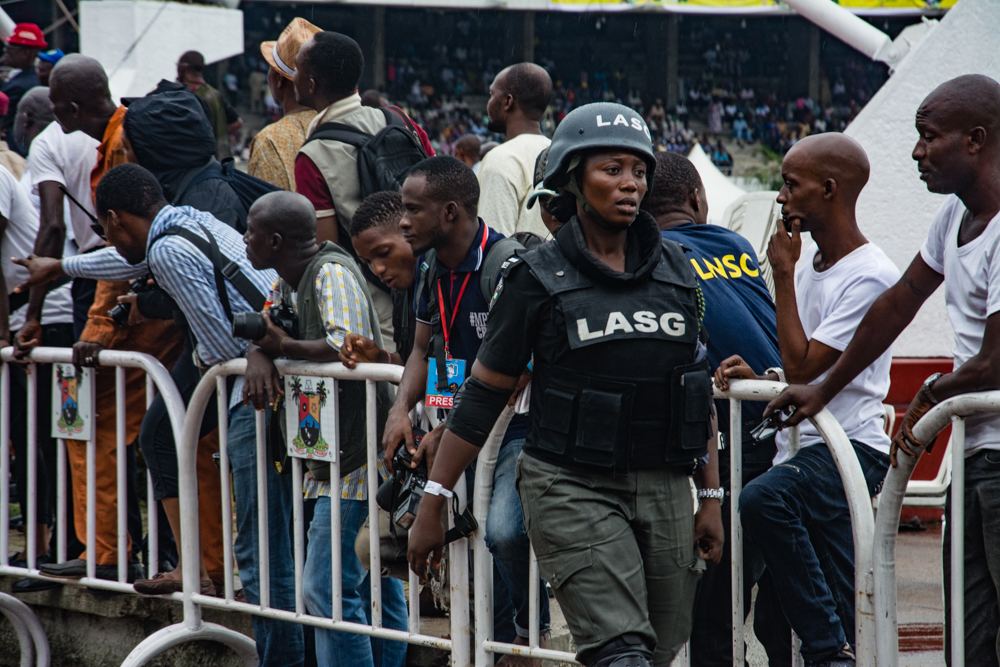
Nigeria’s plan to let states run their own police has won the approval of all 36 State Houses of Assembly, clearing the last legislative hurdle before the amendment goes to President Bola Tinubu for his signature, The Guardian reported.
The Clerk to the National Assembly, Kamoru Ogunlana, announced that the approvals had been verified and that the bill now meets the conditions to be sent to the president.
Section 9(2) of the 1999 Constitution says an amendment needs the backing of at least two-thirds of the state assemblies, which is 24 of the 36. A week earlier, 28 assemblies had approved; the count then rose to 30, and has now reached all 36.
What the bill says
The amendment creates State Police Services that would work alongside a Federal Police Service. The federal force would keep responsibility for national security, while state police would handle law enforcement, crime prevention and security inside each state.
Governors would appoint state commissioners of police on the recommendation of the National Police Council, and each appointment would have to be confirmed by the State House of Assembly, according to The Guardian.
The report did not give details of how state police would be funded, an issue that has worried some observers.
The debate
Supporters argue that officers recruited and managed locally would know their communities better, gather intelligence faster and respond more quickly to attacks.
Critics want strong safeguards to stop governors from using state police against political opponents, a concern that has followed the idea for years.
Background
The Senate passed the bill on 24 June 2026 and the House of Representatives on 23 July. The National Assembly sent it to the 36 state legislatures on 16 September, Daily Trust reported.
Earlier this month the Senate gave the remaining states until 15 November to record their position, so that the outcome would reflect every state and not just the required majority, The Guardian reported at the time.
Ogunlana described the bill as the foundation for other changes being considered in the ongoing Sixth Constitution Alteration exercise.
What happens next
The bill becomes law only when President Tinubu signs it. TIMILEGIT will update this story when he does.