Explainer: what is in the Nigeria–US health deal worth about $2.1bn, and what Nigeria has signed up to
A Premium Times review of the five-year agreement shows US aid falling each year while Nigeria’s own spending must rise, a specimen-sharing deal that survives termination, and a data annex kept from the public.
Nigeria’s five-year health cooperation agreement with the United States commits Washington to about $2.08 billion between 2026 and 2030, but requires Nigeria to raise its own health spending sharply and to share medical specimens on request, according to a detailed review published by Premium Times on 26 November.
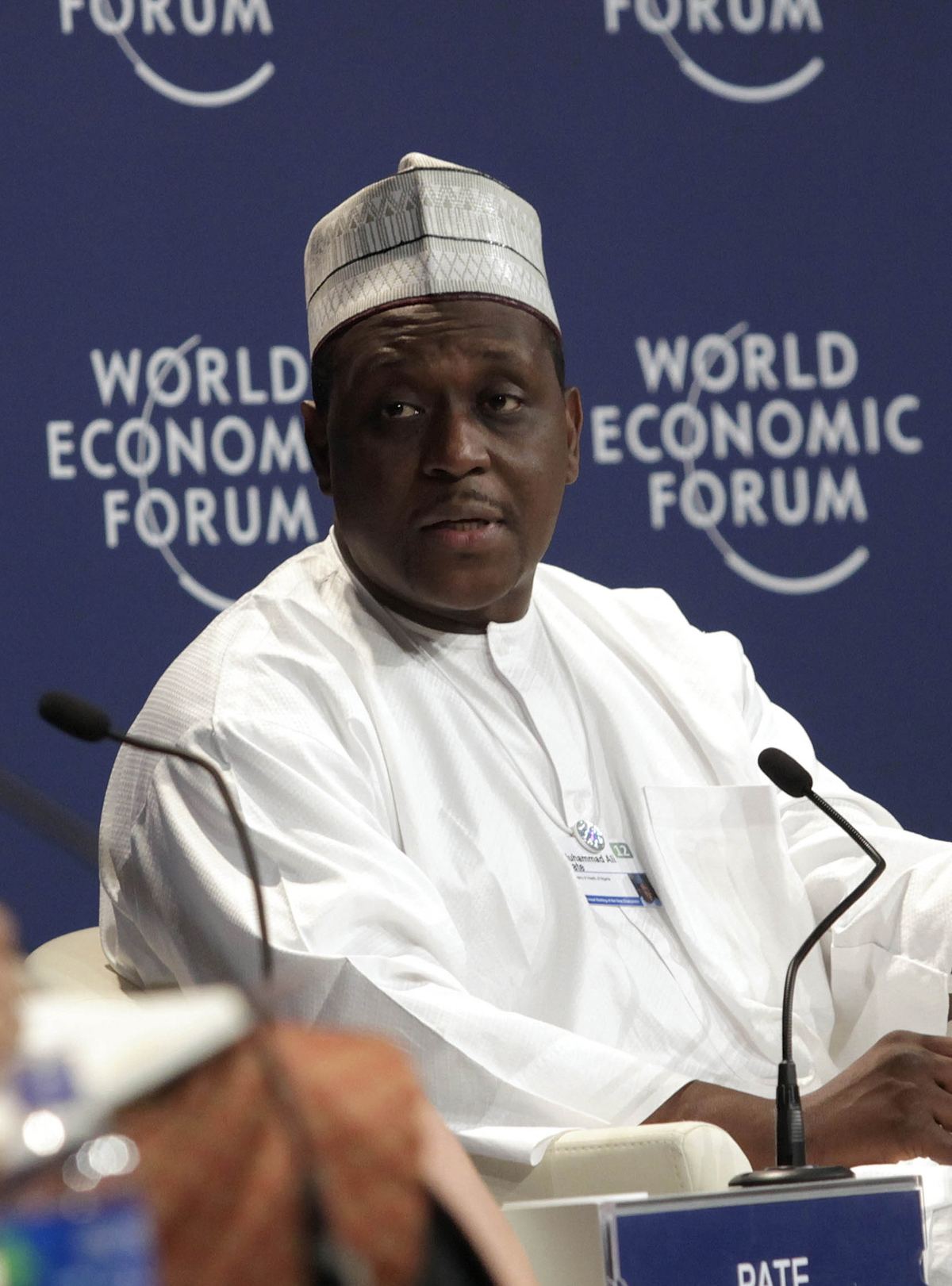
The memorandum of understanding (MoU) and a separate specimen-sharing agreement were signed in Abuja in December 2025 by US Ambassador Richard Mills and Muhammad Pate, Coordinating Minister of Health and Social Welfare, Premium Times said. The ICIR, reporting at the time, said the deal was worth about $2.1 billion and covered HIV, TB, malaria, polio and maternal and child health.
Who pays what
US funding falls from about $501 million in 2026 to $237 million in 2030, while Nigeria’s contribution rises from $345 million to about $845 million, according to Premium Times. Over the five years Nigeria is expected to put in about $3 billion of its own money.
Only money raised by the government, including loans, counts; grants from other donors do not. If Nigeria falls short, the US can cut its aid. Premium Times cited an example in the MoU of a $100 million cut in 2030 if Nigeria spends $720.3 million instead of $845.4 million. Performance incentives of up to $75 million a year are possible in 2027 and 2028.
The agreement also plans a gradual handover to the Nigerian government of health workers and medical supplies now paid for by US aid.
Specimens and data
Under the specimen-sharing agreement, Nigeria must begin sharing requested materials within five days of a US request unless both sides agree otherwise. The US may pass specimens and data to American non-government bodies developing tests or treatments, after notifying Nigeria in writing.
If Nigeria ends the agreement, the US keeps the right to use specimens and data already shared, Premium Times reported. The agreement came into force on 18 January 2026 for an initial five years.
The MoU also refers to a separate health data-sharing arrangement. Its appendix says only “See attachment” and is marked not for public release, so the exact categories of data cannot be checked independently, Premium Times said. The US may also inspect up to 5% of facilities, clinics and programmes.
Faith-based providers
When the deal was announced in December 2025, the ICIR reported that the US State Department said it placed a strong emphasis on Christian faith-based health providers, which run about 900 clinics and hospitals serving more than 30% of the population. Premium Times said about 10% of US funding is meant for faith-based providers, and that Pate has said the provision favours no religion and was cleared by the Attorney-General.
Background and concerns
Premium Times highlighted three concerns: the undisclosed data annex, the US rights to specimens after termination, and the shift of costs to Nigeria. A lawyer, Bernard Okpi, has a suit over the agreement at the Federal High Court, Abuja, which was adjourned to February 2027, it reported.
Pate has argued, in an October opinion piece cited by Premium Times, that Nigeria’s contribution stays in the country and will be judged by actual spending rather than budget announcements.
What happens next
The spending targets rise every year to 2030. TIMILEGIT will follow the court case and any release of the data annex.
Comments
No comments yet. Be the first to share your thoughts.
Related
Trump tells troops US has “victory at hand” in Iran war, as an Iranian MP claims full control of the Strait of Hormuz

NAFDAC shuts Abuja’s Zuba market and seizes over ₦300m of banned sachet alcohol and fake products