INEC sets up an AI unit to fight deepfakes before the 2027 elections and buys 57,000 new BVAS devices
Chairman Joash Amupitan told an election-risk summit in Abuja that the new division will track fake videos and cloned voices. Each BVAS will now serve 850 voters instead of 1,250.
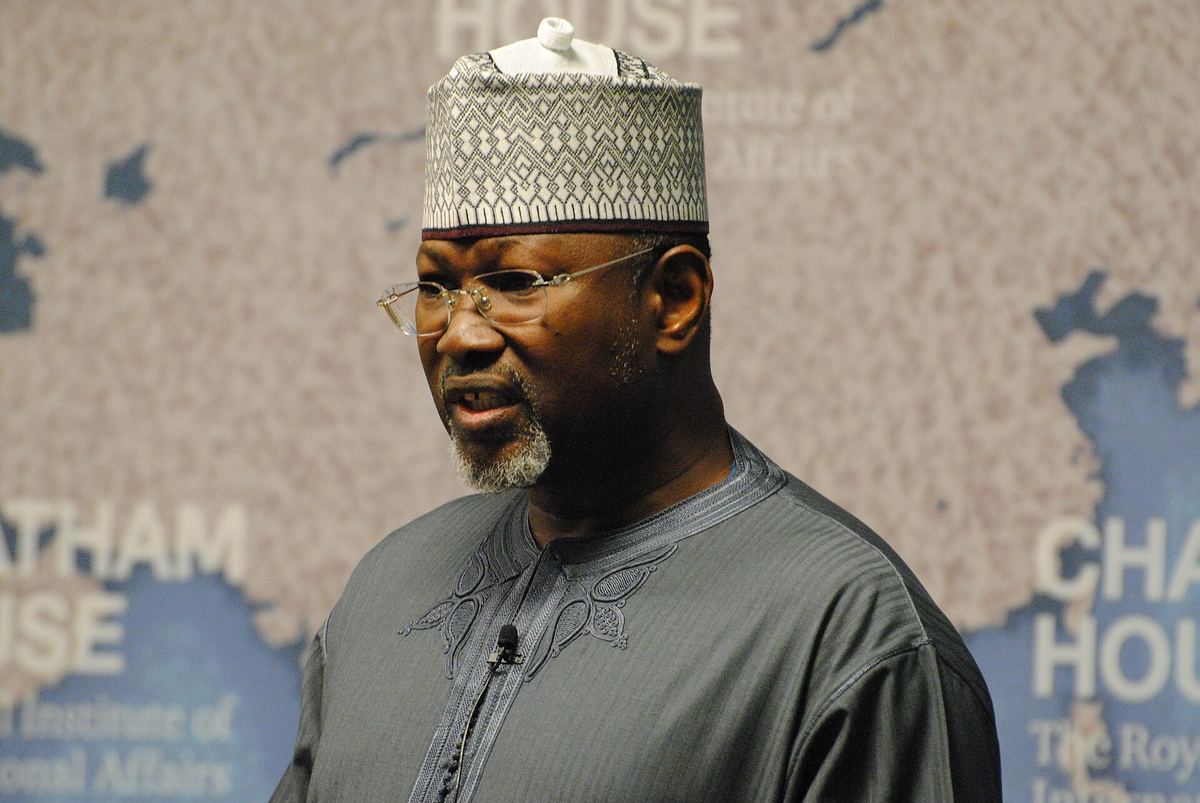
The Independent National Electoral Commission (INEC) has created an Artificial Intelligence division to detect and respond to deepfakes, synthetic voices and fabricated videos before the 2027 general elections, its chairman said in Abuja on Wednesday 25 November, Premium Times and Vanguard reported.
Prof. Joash Ojo Amupitan SAN gave the keynote at the Nigeria Election Risks and Readiness Summit, organised by the Centre for Journalism Innovation and Development (CJID) as part of its 2026 Media and Development Conference. His Chief Press Secretary, Adedayo Oketola, delivered the speech.
The AI unit
The new division sits inside INEC’s ICT Department, both outlets reported. Amupitan warned that fake content could erode confidence in the process, discourage people from voting and cause panic or communal violence, especially when pushed by coordinated online campaigns, according to Premium Times.
Vanguard reported that under Sections 95 to 97 of the Electoral Act 2026, individuals face fines of up to ₦5 million or up to 12 months in jail, and parties face an initial fine of ₦10 million, for offences of this kind.
More BVAS devices and staff
INEC is buying about 57,000 new Bimodal Voter Accreditation System (BVAS) devices and replacing batteries in existing ones, the chairman said. The number of voters per device will fall from 1,250 to 850, and accreditation is expected to take one to two minutes per voter.
The commission plans to recruit about 1.41 million ad hoc staff: roughly 700,000 for the presidential and National Assembly elections and about 700,000 for the governorship and State Assembly polls. Premium Times said the registration window for ad hoc staff was extended from two weeks to two and a half weeks.
Climate-controlled storage for election materials is being set up across the states, and INEC is working with security agencies through the Inter-Agency Consultative Committee on Election Security (ICCES), the outlets reported.
Vanguard quoted Amupitan as saying: “No election or political ambition is worth the blood of a Nigerian.”
What others said
Inspector-General of Police Olatunji Disu praised CJID’s DUBAWA fact-checkers and said an election could be attacked through false information even without firearms, Premium Times reported.
EU Ambassador Gautier Mignot said credible elections need a fair pre-election environment and reliable information, while Norway’s Ambassador Svein Baera called for protection for journalists, fact-checkers and election staff.
The panel included Gloria Korang of WANEP, Bukola Idowu of Kimpact, Raphael Mgbaegbu of NOI Polls and Safiya Bichi of YIAGA Africa.
Background
The presidential and National Assembly elections are on 16 January 2027, and the governorship and State Assembly elections on 6 February 2027. Earlier this week Amupitan told resident electoral commissioners that he receives threats every day and urged them not to be intimidated.
What happens next
INEC is expected to roll out the AI unit, take delivery of the new devices and recruit ad hoc staff in the coming weeks. TIMILEGIT will follow each step.
Comments
No comments yet. Be the first to share your thoughts.
Related
2027 elections: INEC says campaign violence has hit nine states, as NSA Ribadu vows to protect voters, officials and politicians
2027 elections: NUC proposes a break of up to four weeks in university calendars so lecturers can serve INEC