Lassa fever: NCDC records 40 new cases in two weeks as infections rise again, with 278 deaths so far in 2026
Weekly confirmed cases rose from 13 to 18 to 22 in early November. The NCDC says the high cost of treatment and late arrival at hospital help explain a death rate of 22.7%.
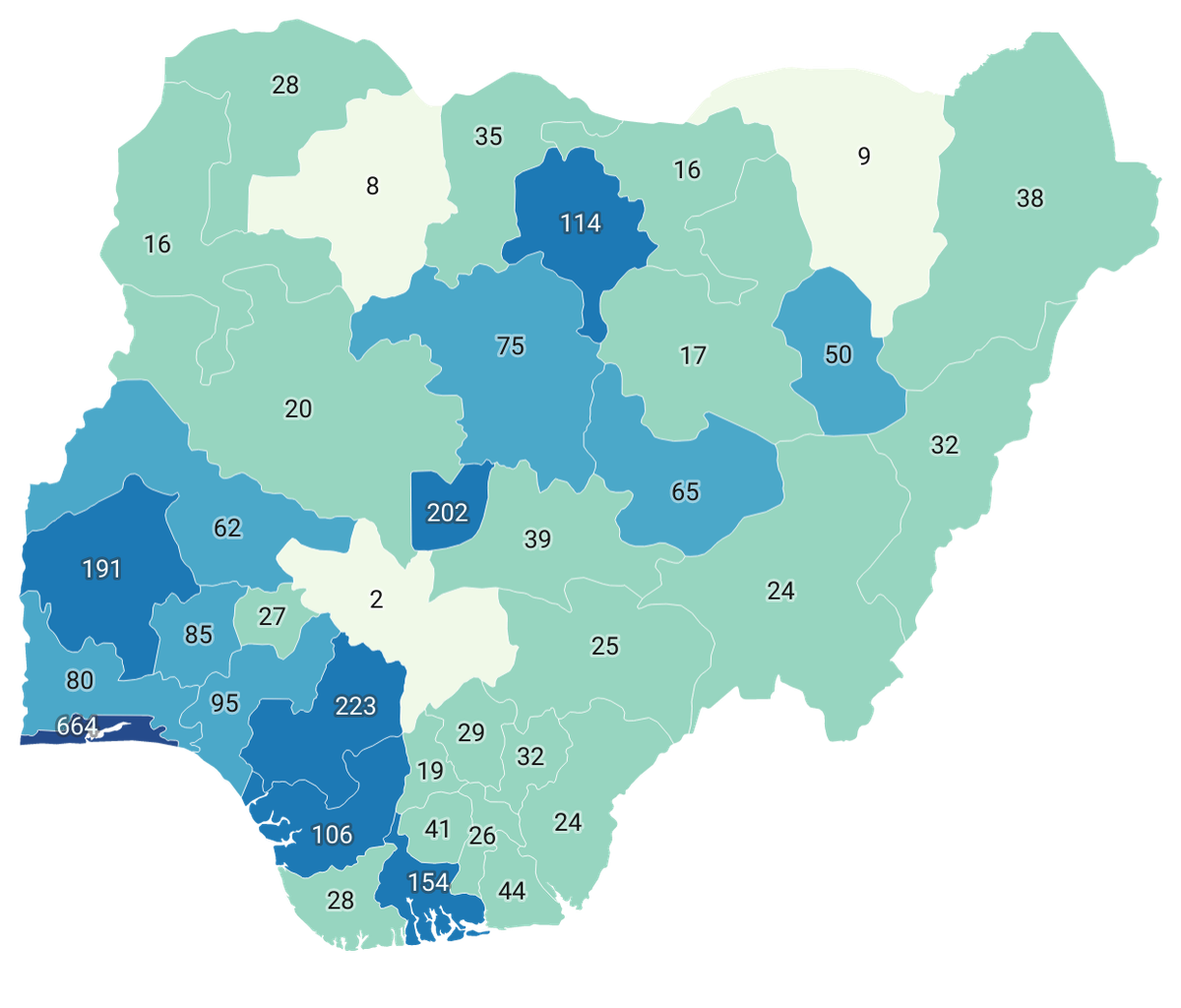
Nigeria recorded 40 new confirmed Lassa fever cases in the two weeks from 2 to 15 November, with weekly infections rising for a second week in a row, according to the latest situation reports from the Nigeria Centre for Disease Control and Prevention (NCDC), Premium Times and TVC News reported.
The NCDC posted the reports on Wednesday, 25 November, Leadership said in a report carried by allAfrica.
The numbers
There were 18 confirmed cases in epidemiological week 45 (2 to 8 November) and 22 in week 46 (9 to 15 November), up from 13 in week 44, Premium Times reported. Suspected cases were 141 and 151 in the two weeks, TVC News and Leadership said.
No new deaths were recorded in either week, leaving the total for 2026 at 278, all three outlets reported. TVC News and Leadership put total confirmed cases this year at 1,226.
The case fatality rate stood at 22.7% in week 46, down slightly from 23.1% the week before but above the 18.5% recorded at the same point in 2025, Premium Times reported.
At least one case has been confirmed in 26 states and 122 local government areas this year. Ondo (37%), Bauchi (24%), Taraba (11%), Edo (10%) and Benue (5%) together account for 87% of confirmed cases, Premium Times said.
The most affected age group is 21 to 30, and no health worker was infected in either week, the outlet added.
Treatment costs
The NCDC listed the high cost of treatment and delayed presentation at health facilities among persistent challenges, Premium Times reported. Poor health-seeking behaviour, poor sanitation and low community awareness also contribute to the high death rate, the agency said.
It called for community engagement all year round, not only during outbreaks, and asked health workers to keep a high index of suspicion and follow infection prevention rules.
TVC News and Leadership reported the NCDC’s advice to the public: keep surroundings clean, keep rats out of homes, store food in covered containers, dispose of waste properly and seek care promptly for fever, weakness, headache or bleeding.
Background
The NCDC is working to a five-year strategic plan for 2026 to 2030 and has issued a second edition of its national clinical management guidelines, Premium Times reported. With UNICEF and WHO, it has trained data teams in eight states to review Lassa deaths. The agency said its national Lassa incident management system has been moved to alert mode, and that it has met state health commissioners to prepare for the next season, Premium Times reported.
What happens next
The NCDC publishes weekly situation reports. TIMILEGIT will report if cases keep rising in the coming weeks.
Comments
No comments yet. Be the first to share your thoughts.
Related

NAFDAC shuts Abuja’s Zuba market and seizes over ₦300m of banned sachet alcohol and fake products
Ebola: Africa CDC and WHO say the response needs $1.576bn through May 2027, as DR Congo cases pass 11,000