Oyedele tells governors inflation has fallen to 14.06%, but says households and businesses are yet to feel the relief
The Finance Minister’s update to the National Economic Council listed faster growth, higher reserves and a bigger trade surplus, while admitting food, power and credit costs still bite.
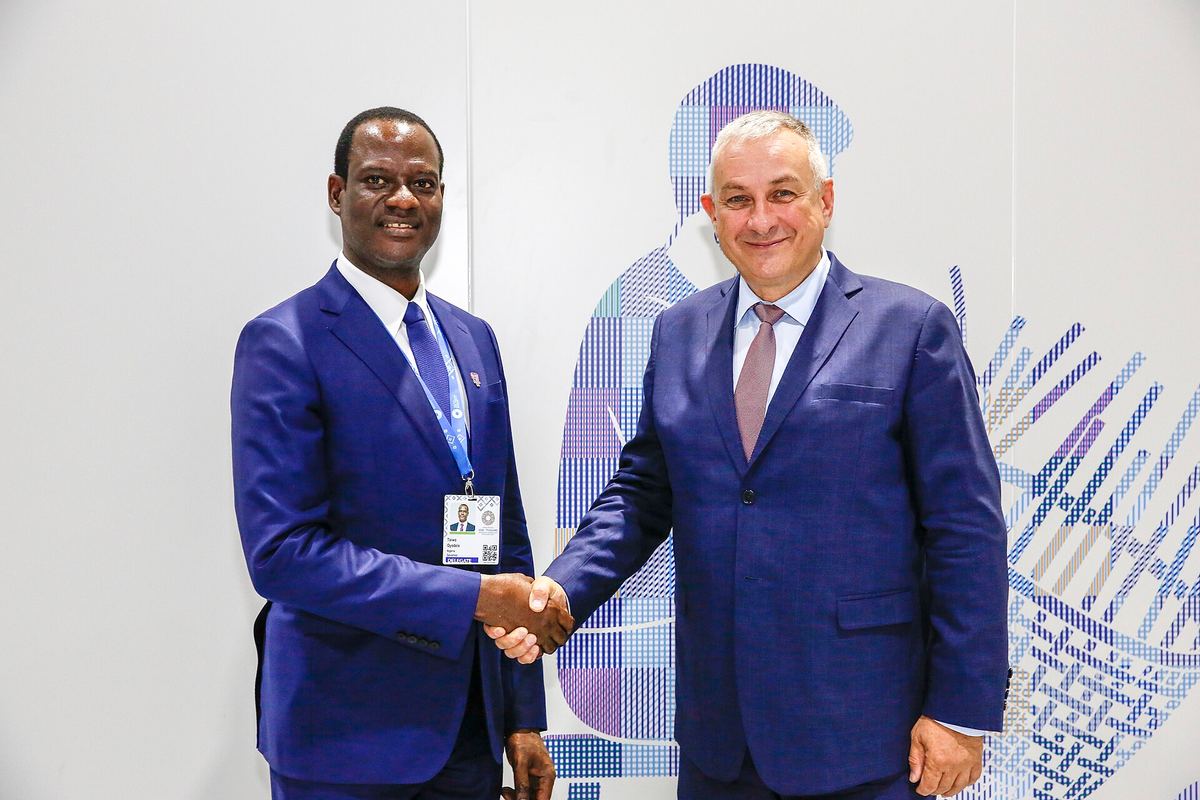
Nigeria’s economy is improving but the gains have not yet reached most households and businesses, the Minister of Finance and Coordinating Minister of the Economy, Taiwo Oyedele, told the National Economic Council (NEC) in Abuja on Monday 23 November, Premium Times and Blueprint reported.
He presented the update at the council’s 162nd meeting, chaired by Vice President Kashim Shettima.
The numbers
Headline inflation fell for a fifth month in a row to 14.06 per cent in October 2026, its lowest level since September 2020, Mr Oyedele said, according to both outlets.

Food inflation stood at 19.13 per cent in October, he said.
Real gross domestic product (GDP) grew by 4.43 per cent in the second quarter of 2026, up from 4.23 per cent a year earlier, Premium Times reported.
External reserves were $54.87 billion as of 12 November, the minister said.
According to Premium Times, he also told the council that the trade surplus rose from ₦10.2 trillion in the first half of 2025 to ₦20.1 trillion in the first half of 2026, and that net revenue shared through the Federation Account Allocation Committee (FAAC) rose by 44 per cent, from ₦15.2 trillion in 2024 to ₦21.9 trillion in 2025.
The gap
Mr Oyedele said the improvement was “yet to translate sufficiently into relief for households and businesses”, Premium Times reported.
He pointed in particular to food prices, the cost of electricity, access to affordable credit and jobs as areas where Nigerians were still under pressure, the paper said.
Mr Shettima told the council that the country’s economic future depends on building strong institutions, according to Premium Times.
Background
The figures come as the Central Bank of Nigeria’s Monetary Policy Committee meets in Abuja. Its decision on the benchmark interest rate, now 23 per cent, is due on Tuesday, and most analysts surveyed by local media expect it to hold, as TIMILEGIT reported earlier on Monday.
The naira weakened to ₦1,389.73 to the dollar on Friday, and the reserves have fallen by about $610 million in under a month, TIMILEGIT reported on Sunday.
The cost of living is a central issue in the campaign ahead of the 2027 general elections.
What happens next
The Central Bank announces its rate decision on Tuesday 24 November. TIMILEGIT will report it.
Comments
No comments yet. Be the first to share your thoughts.

Related
Wall Street surges and Nvidia jumps about 30% after Jensen Huang returns as chief executive

Power Minister Tegbe says Nigerians may wait three to five years for a real improvement in electricity