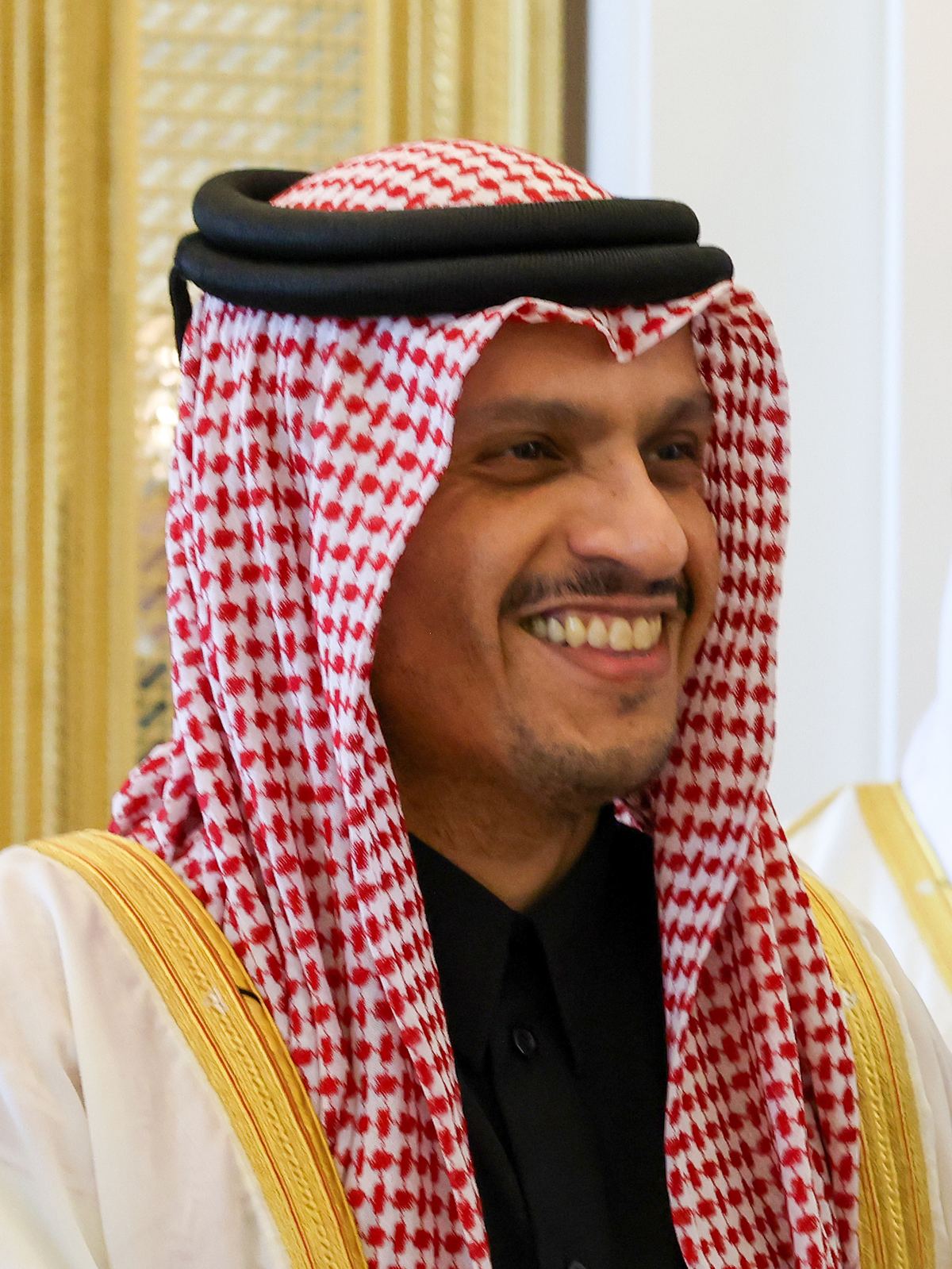
Iran’s Araghchi admits a “major strategic debate” over its no-nuclear-weapons doctrine
The foreign minister said the doctrine has not changed, but that some in Iran want it revised, and claimed China and Russia oppose any shift.
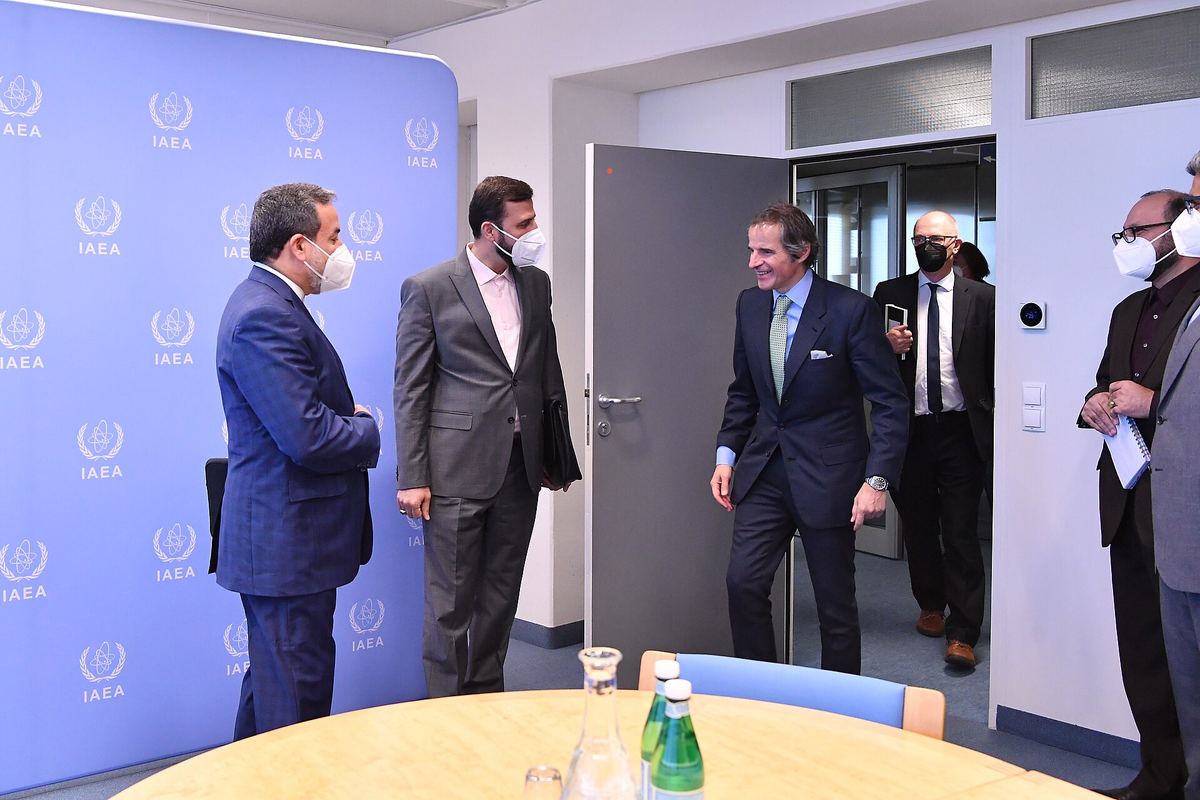
Iran’s Foreign Minister Abbas Araghchi has publicly acknowledged a serious debate inside the country over whether to keep its stated policy of not seeking nuclear weapons, in an interview with state media published on Saturday 21 November, AFP and Al Jazeera reported.
He described the issue as broad and serious, with supporters and opponents, AFP reported via Gulf News and The Times of Israel. Some believe the doctrine should stay as it is, he said, while others argue it must change.
What Araghchi said
“Up to this point, our doctrine has not changed,” he said, adding that Iran’s official positions remain the same, according to AFP.
He claimed Russia and China are opposed to any change. Gulf News noted that neither country had independently confirmed this.
Al Jazeera quoted him calling it a major strategic debate with strong arguments on both sides, and warning that any official change would have far-reaching consequences.
He also said Iran’s enriched uranium will remain in the country and be used according to its needs, Al Jazeera reported.
The pressure for change
On 12 November, Iran’s Assembly of Experts said reviewing the defence doctrine had become an unavoidable necessity, Al Jazeera reported. Security official Mohsen Rezaei said earlier this month that there was discussion about whether to keep the doctrine if a new war breaks out.
Iran has barred inspections by the International Atomic Energy Agency (IAEA), and last week the agency urged Tehran to take incremental steps to let inspectors back, AFP said.
Supreme Leader Mojtaba Khamenei, appointed in March, has not been seen in public and has not overturned his late father’s religious ruling against nuclear weapons, AFP reported.
Simon Mabon of Lancaster University told Al Jazeera it was a very dangerous moment.
Background
The war involving Iran began in February 2026. Al Jazeera cited a 2025 IAEA estimate that Iran held about 440kg of uranium enriched to 60%, and IAEA chief Rafael Grossi’s view in March that at least 200kg likely survived the strikes.
Iran wants conditions met first, including an end to the US blockade and access to frozen assets, while Washington wants nuclear guarantees before a full ceasefire, Al Jazeera said. US Central Command said the blockade reached 130 days on Saturday, Gulf News reported.
What happens next
Any formal change would have to come from Iran’s leadership. TIMILEGIT will report reactions from Washington, Moscow and Beijing.
Comments
No comments yet. Be the first to share your thoughts.
Related
Houthis say the toll from a Saudi-led strike on Hodeidah telecoms facilities has risen to 17
US Treasury sanctions an Iranian “shadow banking” network with firms in the UAE, Turkey and Hong Kong