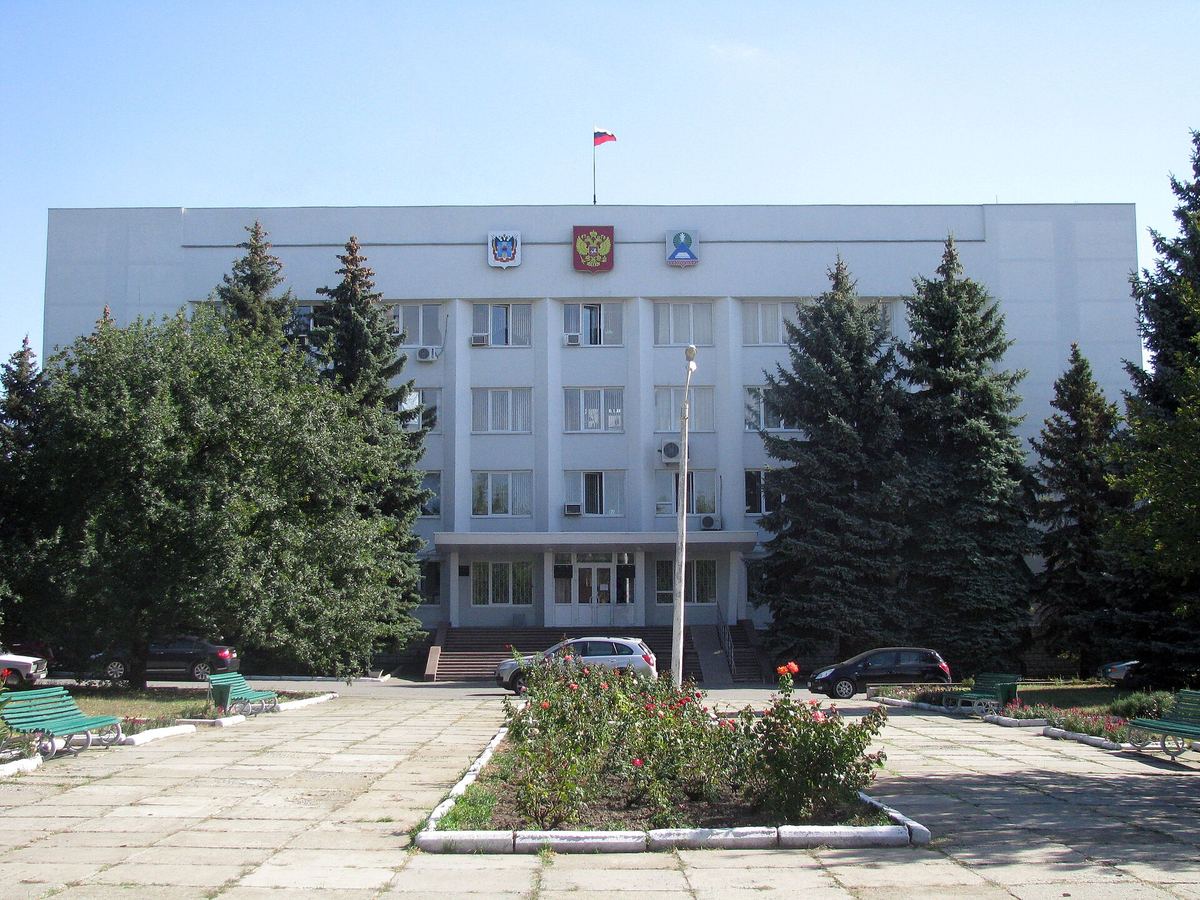
COP31 ends without an agreed deal after the EU, Panama and others reject a text that leaves out fossil fuels
The Antalya climate summit ran far past its Friday deadline. COP31 President Murat Kurum told the closing session there was no consensus, the first time UN climate talks have ended without an adopted deal since Copenhagen in 2009, Reuters reported.
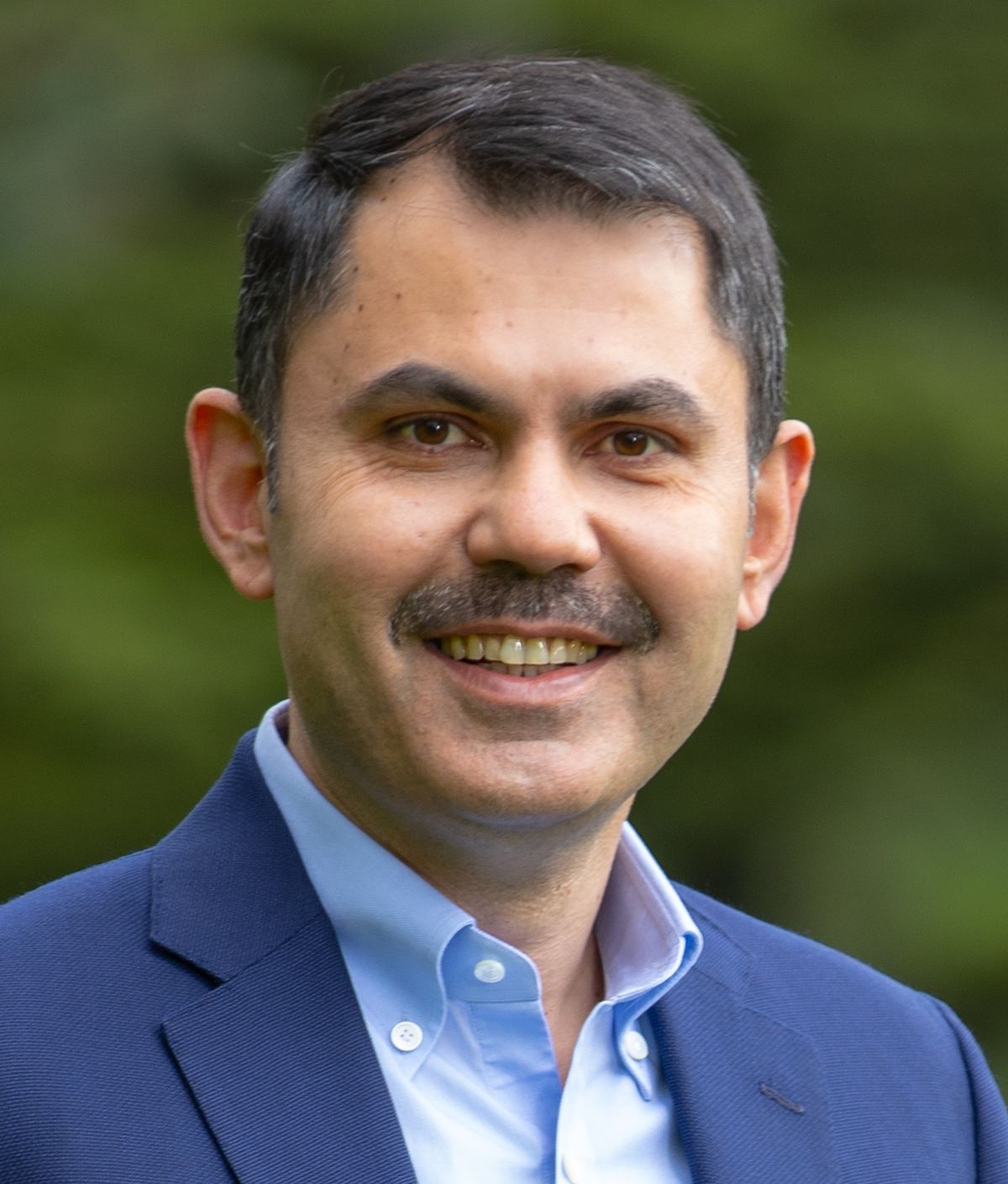
The COP31 climate summit in Antalya, Turkey, ended on Sunday 22 November without a final agreement, after the European Union, Panama and other countries refused to back a text that did not mention fossil fuels, CBS News, Reuters and Daily Sabah reported.
Closing the session, COP31 President Murat Kurum said it was clear that some parties in the hall opposed the text, that there was no consensus and that the decisions had therefore not been adopted, Reuters reported.
Reuters said it was the first time UN climate talks had failed to end with a deal adopted by all since the Copenhagen summit in 2009.
How the talks broke down
Delegations from nearly 200 countries spent two weeks in Antalya. The conference was due to end on Friday 20 November but ran into a second day of overtime, Al Jazeera reported. Daily Sabah said it went more than 44 hours past its deadline.
On Friday, a coalition led by France and Panama, with countries from Europe, Africa, Latin America and the Pacific, rejected an earlier draft as too weak and called for clear language on fossil fuels and more climate finance, CBS News reported, citing the UN.
At a late-night session on Saturday, Kurum presented a new text he said all parties could agree on, according to Al Jazeera. It was rejected at the closing plenary on Sunday.
The EU said it could not support the deal, partly because it did not mention fossil fuels, Reuters reported. Ireland’s minister Darragh O’Brien spoke for the bloc. Panama said the text did not match the scale of the climate crisis.
Daily Sabah also named Norway and the Marshall Islands among the countries that objected.
What the final draft said
The draft did not directly mention fossil fuels, coal, oil or gas, CBS News and Daily Sabah reported. It referred back to the 2023 Dubai commitment to transition away from fossil fuels in energy systems.
It accepted that global warming would pass the 1.5C limit and called for faster development of technology to remove carbon from the air, Reuters reported. It also welcomed a goal for electricity to supply more than a third of the world’s energy by 2035, according to CBS News.
An earlier proposal to raise finance for adaptation to $120 billion by 2035 was removed, angering developing countries, Daily Sabah reported.
The two sides
Saudi Arabia and other big oil producers pushed hard to keep fossil fuels out of the text and carbon removal in, Reuters reported. A Saudi delegate, who was not named, said he was surprised at resistance to technology. Daily Sabah said Russia also backed leaving out explicit fossil fuel language.
Panama’s environment minister, Juan Carlos Navarro, had said the week before that countries could not keep being “held hostage by petroleum producers”, CBS News reported.
Kurum said the presidency had not imposed the text or issued a take-it-or-leave-it ultimatum, Daily Sabah reported. He said concerns about fossil fuels and adaptation finance had been addressed, according to Al Jazeera.
Background
Turkey hosted the talks, with Australia co-leading the negotiations. Australia’s first draft, published early in the second week, called for a faster phase-out of fossil fuels, but a slimmer draft on Thursday removed every mention after objections from Saudi Arabia and other producers, Al Jazeera reported.
The United States sent no representatives for the second year in a row, after withdrawing from the Paris Agreement, CBS News said. UN Secretary-General António Guterres had urged governments in Antalya to move away from fossil fuels and triple adaptation funding by 2035.
African countries and other vulnerable nations have repeatedly called for more climate finance from wealthier countries, Daily Sabah noted.
What happens next
Reuters said the failure to agree a declaration does not cancel obligations from earlier summits, and the COP process remains the main forum for joint action. TIMILEGIT will report on what the presidency and the UN climate body say next.
Comments
No comments yet. Be the first to share your thoughts.

Related
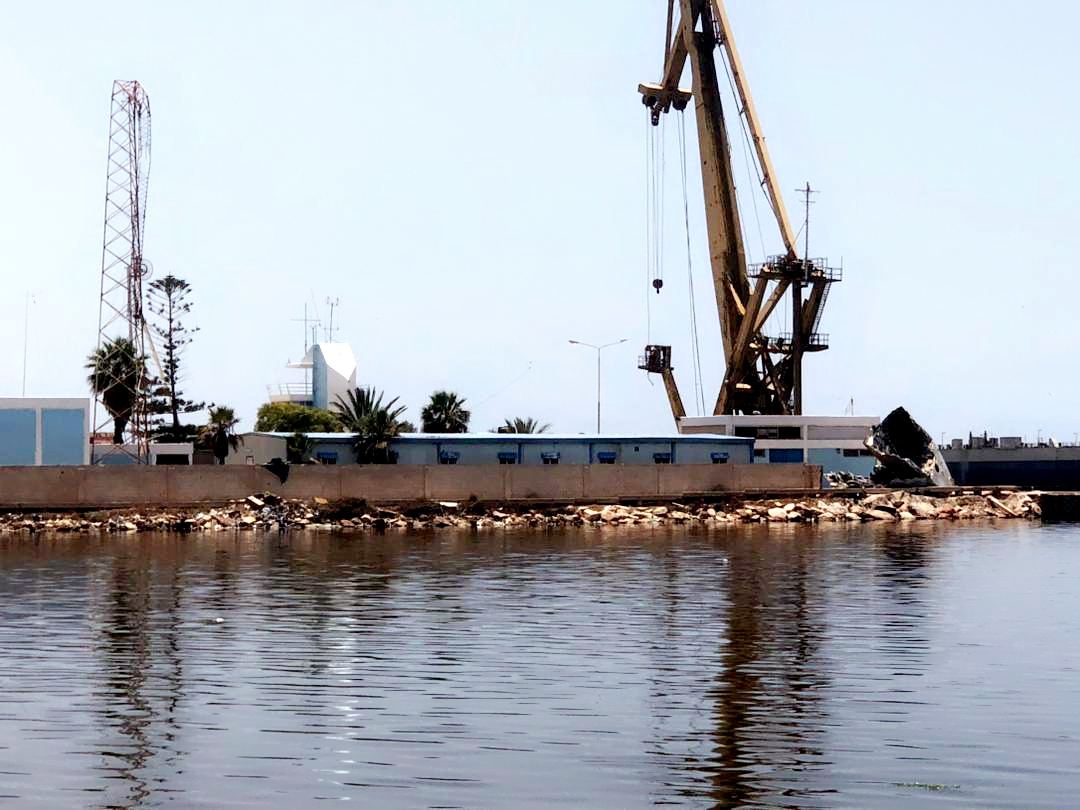
Zelensky says Ukrainian sea drones sank the Russian corvette Merkury at Benghazi; UN mission calls for an inquiry
COP31 president apologises after cutting off Ghana’s minister as she read Africa’s closing statement