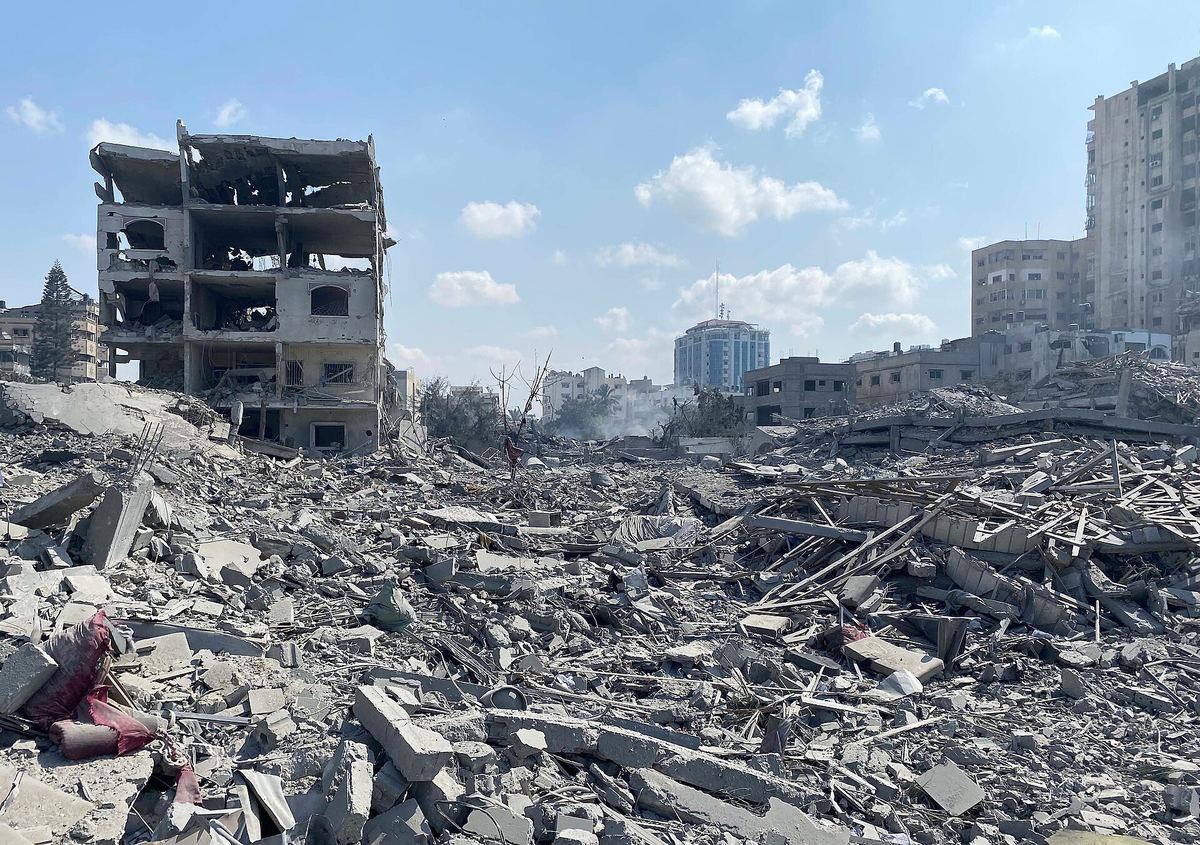
Explainer: Nigeria gained a net $7.5bn from the Iran war price spike, more than any other African country, study finds
An analysis by the Centre for Research on Energy and Clean Air found nine African exporters earned an extra $21.6bn from March to August 2026, while 32 importers paid $21.9bn more. The figures resurfaced in a roundup on 23 November.
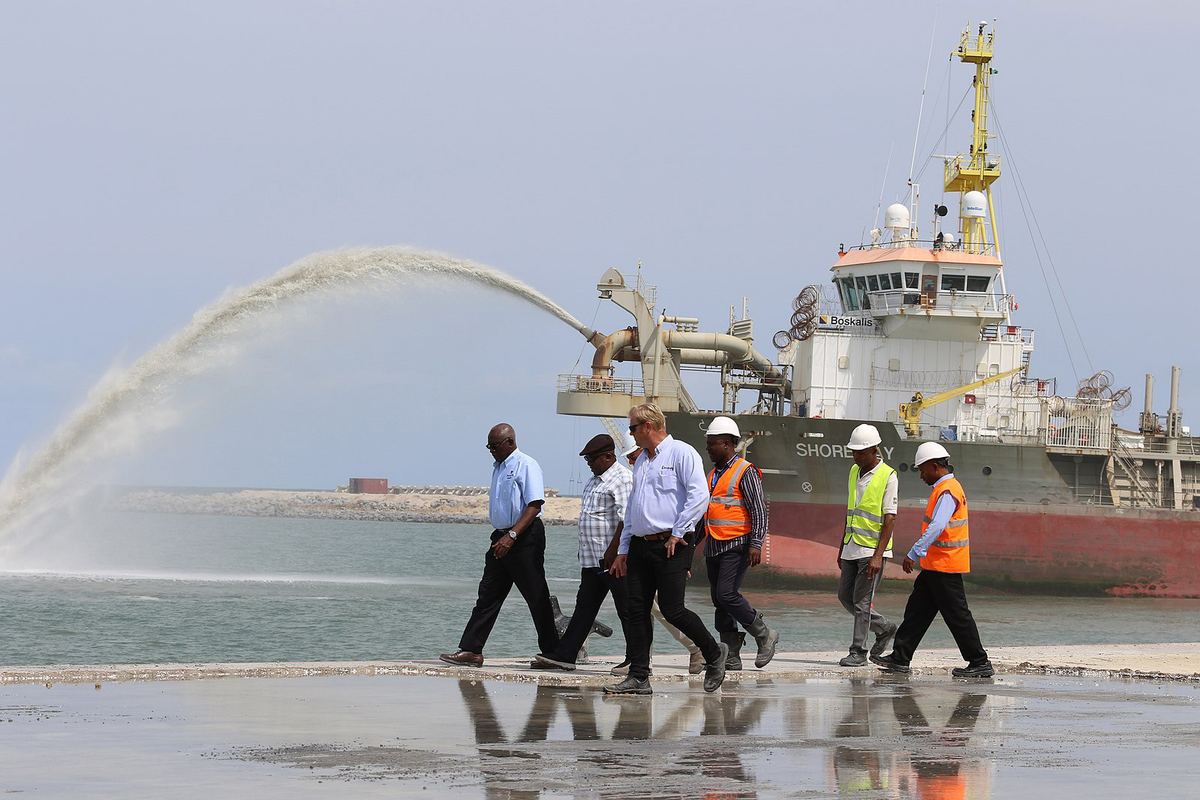
Nigeria was the biggest net winner in Africa from the jump in energy prices caused by the US–Iran war, earning about $7.5bn more than it would otherwise have done between March and August 2026, according to an analysis by the Centre for Research on Energy and Clean Air (CREA).
The study was first published on 26 August, Ecofin Agency reported, and its figures were highlighted again in OkayAfrica’s Today in Africa roundup on 23 November.
What the study found
CREA looked at seaborne imports and exports of crude oil, refined products and liquefied natural gas for 41 African countries with available data, Ecofin said. OkayAfrica reported that the figures were based on Kpler trade data and CME futures prices.

Nine exporters gained a combined $21.6bn. After Nigeria’s $7.5bn came Angola ($4.5bn), Libya ($3.3bn), Algeria ($2.8bn), the Republic of Congo ($1.5bn), Gabon ($800m), Cameroon ($500m), and Equatorial Guinea and Sudan ($300m each), according to OkayAfrica.
OkayAfrica said CREA’s figures subtract each country’s extra fuel import bill from its extra export earnings, so they show a net position rather than the gross windfall.
On the other side, 32 African countries paid $21.9bn more for fuel imports. Egypt was hardest hit at $5.2bn, followed by South Africa ($3.5bn), Morocco ($2.2bn), Tanzania ($2.1bn), Kenya ($1.7bn), Mozambique ($1.2bn) and Djibouti ($1bn), Ecofin reported.
Taken together, the continent as a whole was about $300m worse off, the study found.
Why Nigeria came out ahead
OkayAfrica pointed to the Dangote refinery, citing the US Energy Information Administration, which said Nigeria’s exports of petroleum products reached 350,000 barrels a day in the second quarter of 2026, about seven times the 2023 average. That means Nigeria now sells refined fuel abroad as well as crude.
Background
The war began on 28 February 2026, and disruption around the Strait of Hormuz has kept oil prices high. Ecofin reported that CREA described the crisis as the largest sustained oil shock since the 1990 Gulf War, and put the extra bill for fuel importers worldwide at about $330bn.
The study covers only March to August, so it does not include price moves since then.
What happens next
Whether Nigeria’s gain lasts depends on how long prices stay high and how much crude and refined fuel the country can keep exporting. TIMILEGIT will report on any updated figures.
Comments
No comments yet. Be the first to share your thoughts.

Related
Saudi-led coalition says a tower in Riyadh’s financial district was hit in a “terrorist attack”, days after the PIF tower was struck

Russia warns Estonia its “hostile actions” are on the verge of triggering open war, as Tallinn prepares to close the border