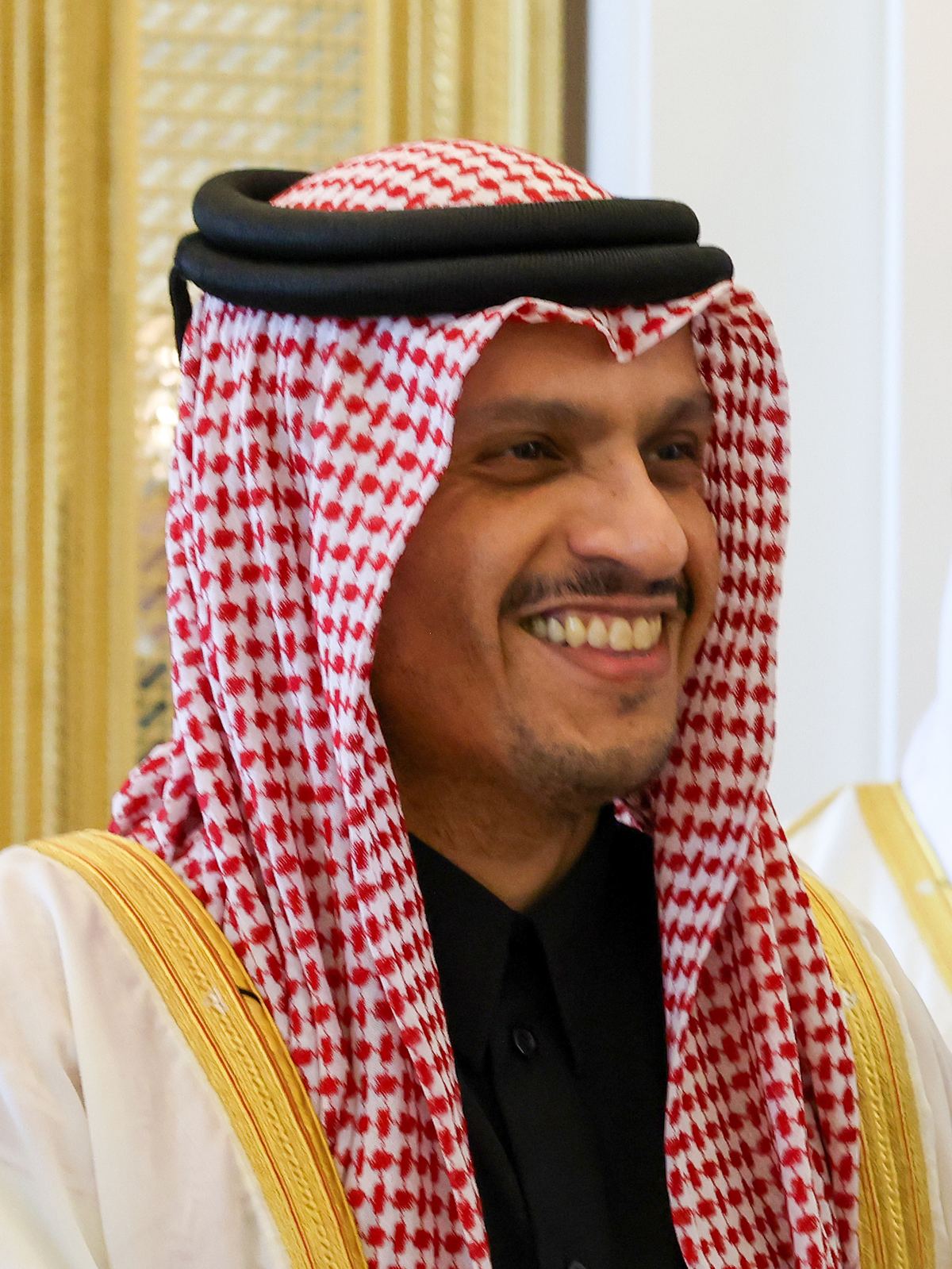
Geneva talks agree a two-year process on rules for “killer robots”, but no mandate for a treaty
The US, Russia and Israel opposed a push for binding rules on lethal autonomous weapons backed by nearly 100 countries; campaigners and the Red Cross said the outcome fell short.
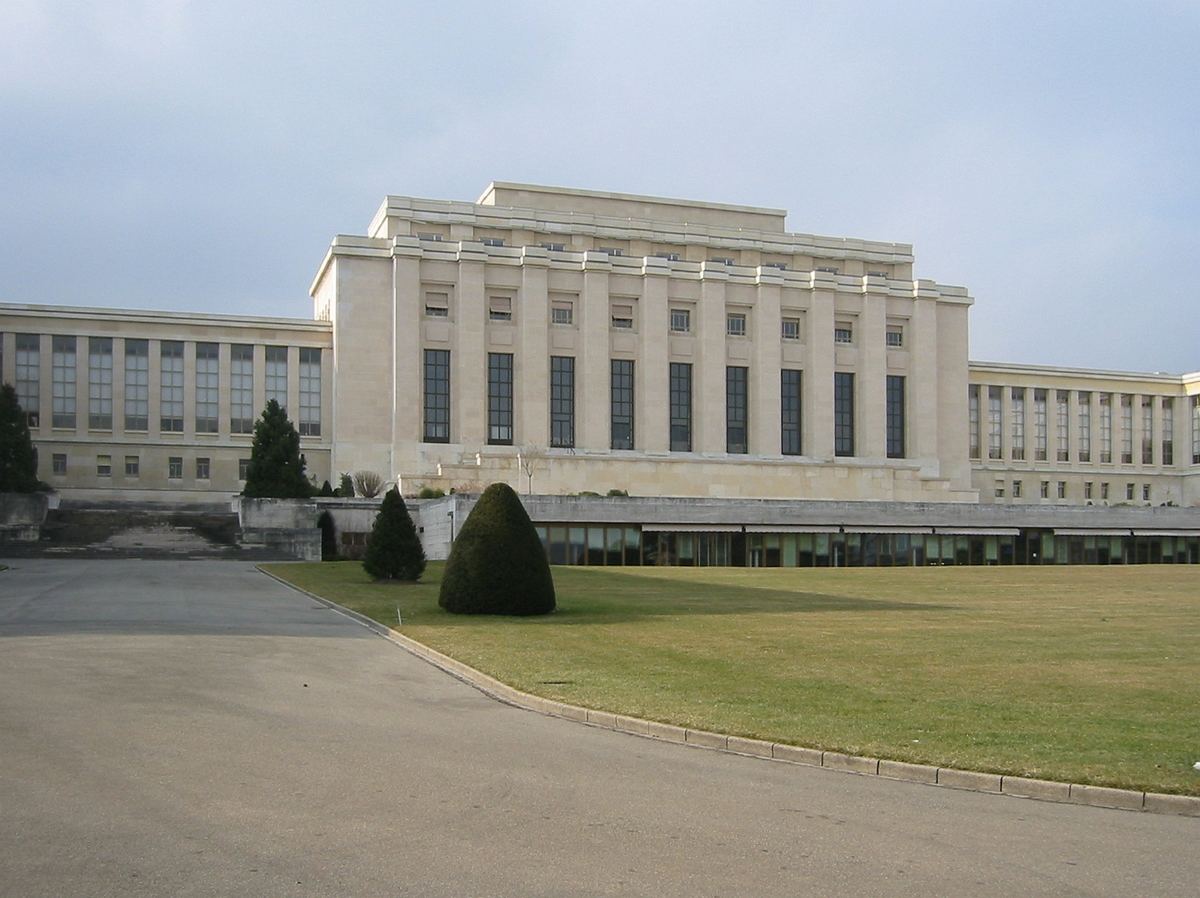
Countries meeting at a UN arms conference in Geneva agreed on Saturday 21 November to a two-year process to draw up rules on lethal autonomous weapons, often called “killer robots”, but stopped short of agreeing to negotiate a binding treaty, Al Jazeera, citing AFP, and Anadolu reported.
The outcome came at the close of the five-day Seventh Review Conference of the Convention on Certain Conventional Weapons (CCW).
What was agreed
States agreed that a group of governmental experts would “elaborate” an instrument on autonomous weapons over two years, with 2028 as the horizon, the outlets reported. They did not get a mandate to “negotiate” a legally binding agreement, a word some states rejected.
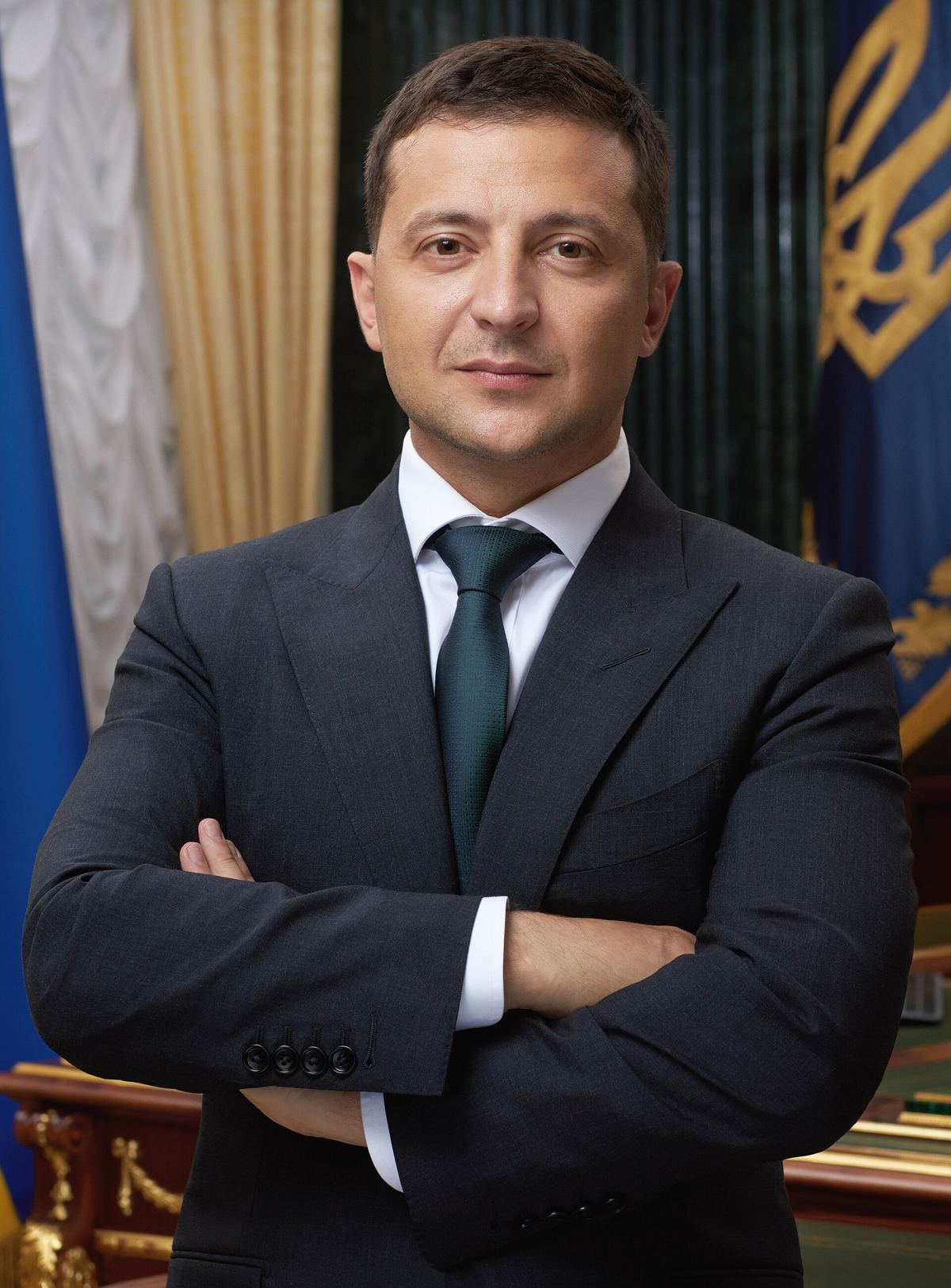
The United States, Russia and Israel opposed the push for binding rules, which nearly 100 countries supported, Al Jazeera reported. Decisions under the CCW need consensus, so any one state can block them.
Talks on the final wording ran through the night, and procedural objections from Russia led to some formal sessions being cancelled, according to Al Jazeera. It said 128 countries took part.
What people said
The UN disarmament chief, Izumi Nakamitsu, said states at least now had a mandate to work on an instrument within two years, Anadolu reported. The Swiss ambassador chairing the meeting said it showed multilateral diplomacy could still deliver, according to Al Jazeera.
Nicole van Rooijen of the Stop Killer Robots campaign said delaying a legally binding instrument put civilians at risk, Al Jazeera reported. The International Committee of the Red Cross said it regretted that no negotiating mandate was agreed, according to Anadolu.
Background
UN Secretary-General António Guterres had called for a binding instrument to be concluded by the end of 2026, Anadolu said. It added that 163 states had backed an earlier resolution in the UN General Assembly’s First Committee calling for negotiations.
What it means for Nigeria
Nigeria and other African states facing armed groups are increasingly exposed to drone warfare, so global rules on autonomous weapons bear on the region’s security. TIMILEGIT will follow the talks.
Comments
No comments yet. Be the first to share your thoughts.

Related
Houthis say the toll from a Saudi-led strike on Hodeidah telecoms facilities has risen to 17
US Treasury sanctions an Iranian “shadow banking” network with firms in the UAE, Turkey and Hong Kong