Hormuz crisis is the “largest threat to energy security in history”, IEA says
The International Energy Agency’s annual World Energy Outlook says the Iran war has caused the biggest disruption ever to oil and gas trade, and that consumers are now bearing more of the cost.
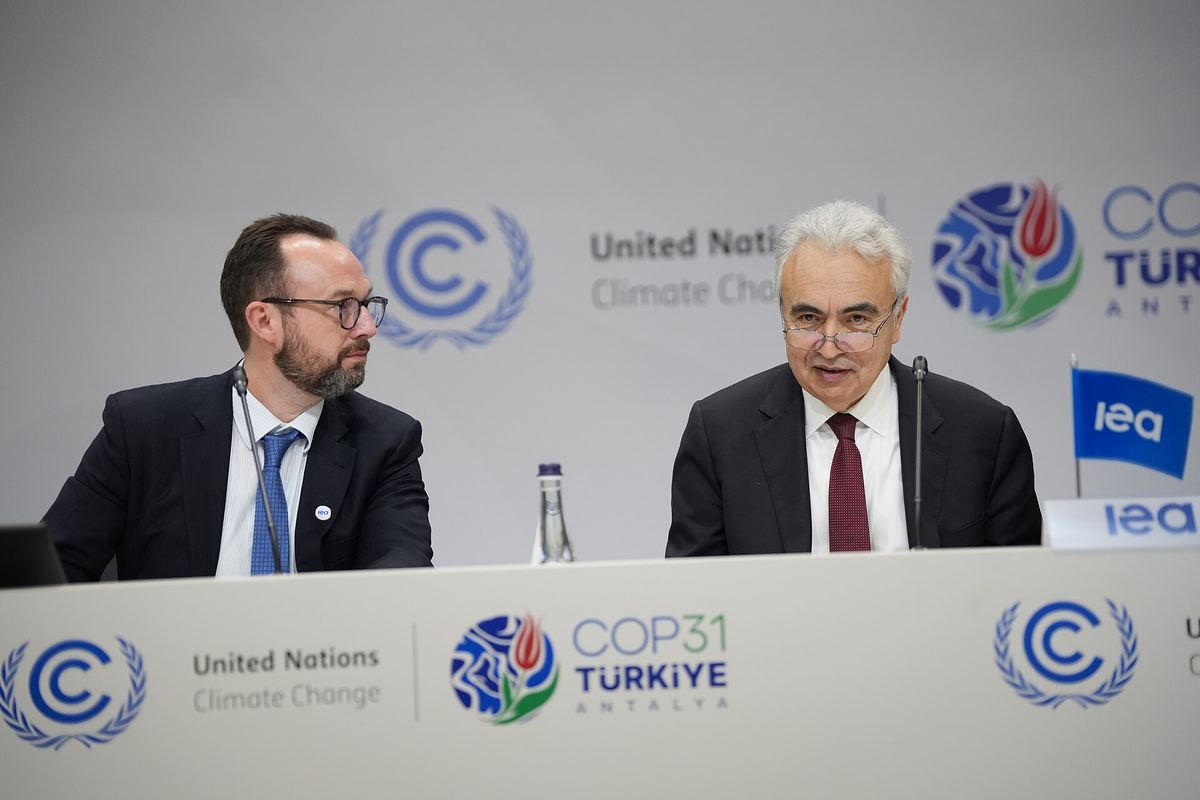
The war around Iran and the near-closure of the Strait of Hormuz have created the biggest threat to the world’s energy security on record, the International Energy Agency (IEA) said on Thursday 19 November in its annual World Energy Outlook, AFP reported.
In the report’s foreword, IEA Executive Director Fatih Birol wrote that the Strait of Hormuz crisis “has created the largest threat to energy security in history”, adding that it dwarfs the oil shocks of the 1970s, Euronews and the Times of Israel reported.
What the report found
The Paris-based agency said the crisis has caused the largest disruption ever to global trade in oil and gas. It put cumulative losses from the Gulf at 2.8 billion barrels of oil and 60 billion cubic metres of gas, according to the Times of Israel’s agency report.

Before the war, the strait carried about a fifth of the world’s oil shipments. Iran has blockaded the waterway and targeted tankers there, and US efforts to escort ships have not restored normal flows, the reports said.
The IEA said producing countries have added supply and used alternative routes, and that China has bought less from international markets. But it warned that the buffers that softened the shock earlier in the year are running down.
In July, Birol had said the oil market still had several cushioning factors. The new report says those are no longer in place, and that it is increasingly falling to consumers, through high prices, to absorb the impact.
Birol wrote that governments have tried to protect consumers, but people have still faced higher prices and, in some places, shortages.
A lasting change
Birol said he sees no credible pathway for the energy world to return to the way it was before the war, and that the longer the crisis lasts, the deeper its effects will be.
For the first time, the outlook added two scenarios that model a Middle East crisis that persists. In its main scenario based on current policy settings, world oil demand peaks around 2030 and reaches just over 101 million barrels a day in 2035.
In a new case where energy security fears speed up the move to electric vehicles, efficiency and home-grown power, oil demand falls to about 97 million barrels a day in 2035 and 85 million by 2050, the report said.
Climate Analytics founder Bill Hare told AFP that the world must commit to the net-zero pathway or face warming of 2.5C or more. The report came out as the COP31 climate talks opened in Turkey.
Background
The war began in late February 2026 with US and Israeli strikes on Iran. Washington has since imposed a naval blockade on Iranian ports, while Iran has attacked shipping and Gulf energy sites.
Nigeria joined the IEA as an association country on 2 July 2026, the first member of OPEC to do so, S&P Global reported at the time. Africa’s largest oil producer has recently pumped about 1.7 million barrels a day and is targeting 2 million in 2026.
For Nigeria, a prolonged Gulf crisis is a double-edged sword: higher crude prices can lift government revenue, but they also push up the cost of imported fuel and goods for households.
What happens next
The IEA’s findings will feed into talks at COP31 and into governments’ energy planning. TIMILEGIT will follow how oil prices and Nigeria’s fuel costs respond.
Comments
No comments yet. Be the first to share your thoughts.

Related
Houthis say the toll from a Saudi-led strike on Hodeidah telecoms facilities has risen to 17
US Treasury sanctions an Iranian “shadow banking” network with firms in the UAE, Turkey and Hong Kong