Iraq’s top court backs Baghdad’s move to control Kurdistan border crossings and oversee oil fields after smuggling probe
The ruling supports Prime Minister Ali al-Zaidi’s crackdown on oil smuggling to Iran. Kurdish leaders called his orders unconstitutional, while a government source said no troops will be sent into the region.
Live updates
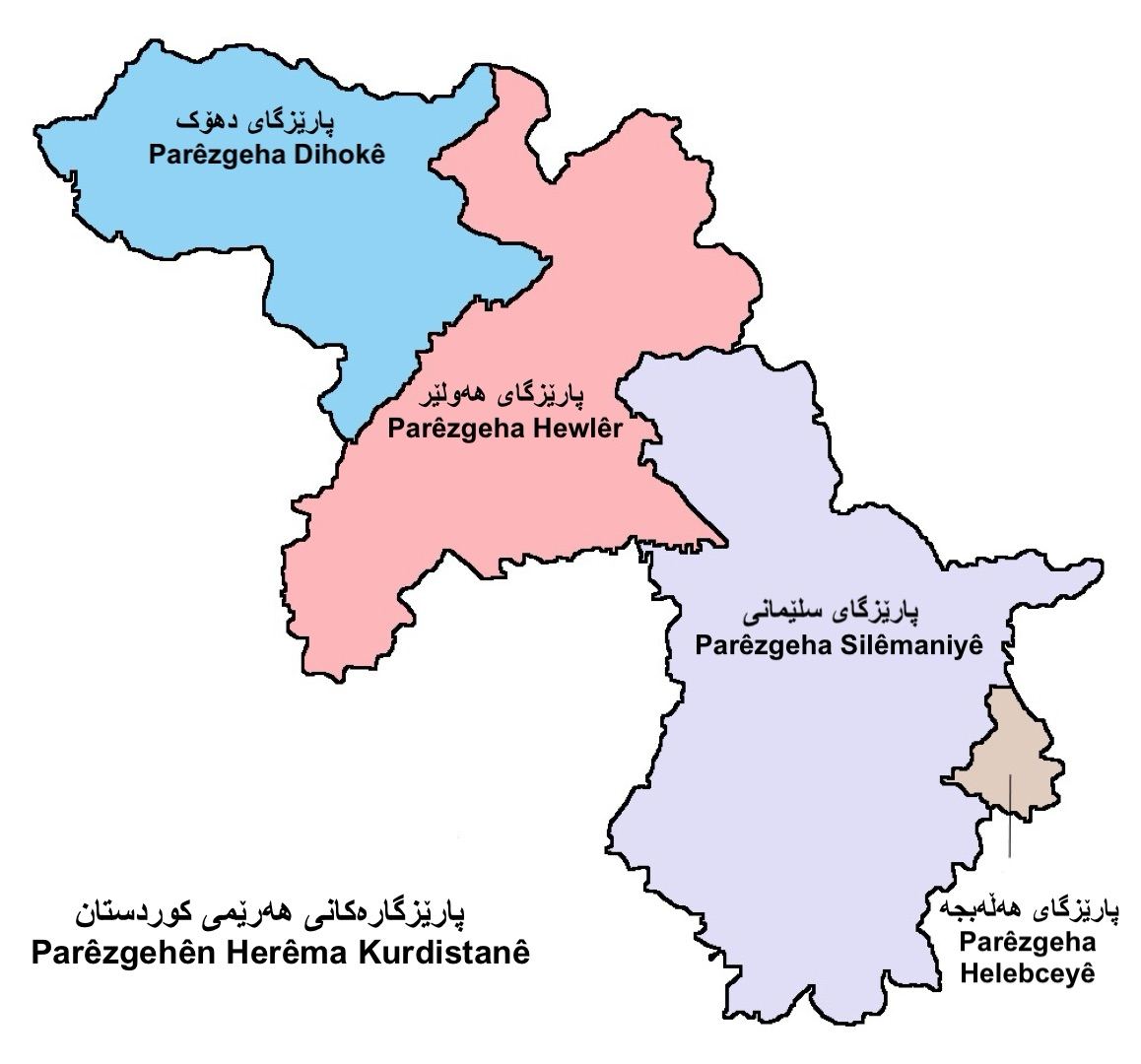
Iraqi government spokesman Haidar al-Aboudi said there was “no truth” to reports of army units moving towards the Kurdistan Region, as border forces said the takeover of the crossings had begun and thousands protested in Erbil on Thursday, Al Jazeera reported, citing Anadolu. Kurdistan Region President Nechirvan Barzani rejected what he called military language, and a national dialogue is set for 1 December.
Iraq’s Federal Supreme Court has ruled that the central government in Baghdad can deploy federal forces to secure the country’s borders, including in the semi-autonomous Kurdistan Region, and can oversee oil and gas fields, Reuters, Asharq Al-Awsat and The New Arab reported, citing Iraqi state TV.
The ruling, issued on Wednesday 25 November, came a day after Prime Minister Ali al-Zaidi ordered federal authorities to take over border crossings run by the Kurdistan Regional Government (KRG).
What the court said
Federal authorities may oversee agencies at all border crossings, including those in Kurdistan, but must coordinate with regional and provincial governments on customs, according to state TV as reported by Reuters.
The court also upheld the federal oil ministry’s power to supervise and audit oil and gas fields, operations and contracts, while saying management of the oil and gas is shared with the regional and producing-province governments.
Iraq’s Supreme Judicial Council urged the federal government, the KRG and all political forces to respect the constitution, Asharq Al-Awsat reported.
The smuggling probe
Zaidi’s orders followed an investigation at the state-run North Oil Company into a scheme that Reuters said authorities link to a pro-Iranian militia and that is worth hundreds of millions of dollars.
Iraq’s state news agency, citing an intelligence report, said oil was being diverted from Kirkuk and Sulaymaniyah and smuggled to Iran and on to Afghanistan, The New Arab reported.
Zaidi also told the oil ministry to manage oil fields under Kurdish security control in Kirkuk, Nineveh, Diyala and Salahuddin, provinces outside the Kurdistan Region.
What each side said
The KRG rejected what it called “military language and threats” in a statement by the Iraqi military spokesman and called for talks with Baghdad. KRG Prime Minister Masrour Barzani called the decisions unacceptable but said the door to dialogue was open, Asharq Al-Awsat reported.
Kurdistan Democratic Party leader Masoud Barzani said the region would not submit to decisions that violate the constitution.
A government source told Asharq Al-Awsat that Baghdad has no plans to send troops into Kurdistan and will tackle smuggling through constitutional means and coordination with Erbil. The government also rejected claims that it was acting on foreign orders.
Background
Zaidi, 41, a businessman who took office about six months ago as a compromise choice, has also confronted the Iran-backed group Kataib Hezbollah in recent weeks, The New Arab reported.
Baghdad and Erbil have long disputed control of oil revenue and border income. The row comes as the US–Iran war and attacks on Gulf shipping keep oil markets on edge, which matters for oil exporters such as Nigeria.
What happens next
Kurdish parties have called for a joint Erbil–Baghdad committee. TIMILEGIT will follow how the ruling is put into effect.
Comments
No comments yet. Be the first to share your thoughts.

Related
Kim Jong Un calls for wider deployment of tactical nuclear weapons and says denying North Korea’s nuclear status would be a declaration of war
Lithuania threatens to revoke the Taiwanese Representative Office’s status unless Taipei renames it, as Vilnius seeks to mend ties with China