Kenyan court rules US-backed Ebola quarantine site at Laikipia air base broke the constitution and orders the deal published
The High Court halted further work at the 50-bed facility near Nanyuki and gave the government 45 days to publish its agreement with the United States.
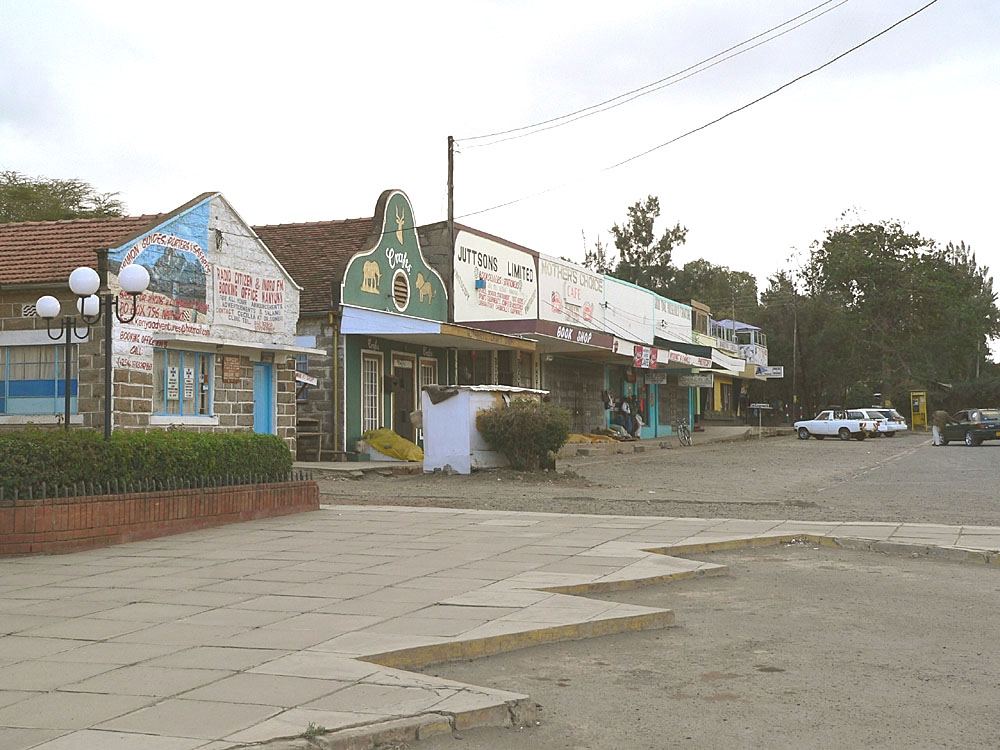
Kenya’s High Court ruled on Thursday 26 November that the government broke the constitution by allowing a US-backed Ebola quarantine facility at Laikipia Air Base, near Nanyuki, Al Jazeera and Pulse Kenya reported.
Justice Patricia Nyaundi said the government should have disclosed the details of its agreement with the United States and sought public input before signing it, Al Jazeera reported, citing Reuters. She halted all further work at the site until the government complies.
What the court ordered
The cases were brought by the Katiba Institute and the Law Society of Kenya against Attorney General Dorcas Oduor and Health Cabinet Secretary Aden Duale, Pulse Kenya reported.
The court found that Duale breached Article 10 of the constitution, on transparency and public participation, and that the government breached Article 35(3) by failing to publish information affecting the public.
The state has 45 days to publish the full Kenya–US agreement, the approvals it obtained, its health, environmental, biosafety and security assessments, and the site’s operating rules. Duale may not authorise further building or the opening of the site until the court confirms compliance.
The government had not commented when the reports were published.
What people said
Katiba Institute director Nora Mbagathi called the ruling a victory for transparency, saying Kenyans cannot be kept in the dark about decisions that affect their lives and health, Pulse Kenya reported.
Background
The 50-bed facility was built to quarantine people exposed to Ebola, including American citizens. Seven US aid workers who had been in DR Congo were quarantined there in July, Al Jazeera reported.
Residents have accused the US of shifting Ebola risk onto Kenyans, and at least two people were killed in protests in Nanyuki in early June. The court suspended construction in late May and later found that Duale had not complied with its orders.
Kenya reported its first imported case of the Bundibugyo strain in early October, a traveller from DR Congo via Uganda. By mid-November it had recorded two deaths and seven other cases, all of whom recovered. There is no approved vaccine or treatment for this strain, and the WHO declared a global health emergency on 17 May.
What happens next
The government can appeal. TIMILEGIT will report whether it publishes the agreement within the 45 days.
Comments
No comments yet. Be the first to share your thoughts.

Related
Generic lenacapavir: first cheaper twice-a-year HIV prevention injections arrive in Zambia, Global Fund says
Guinea-Bissau junta postpones elections to November 2028, a year after the coup, extending military rule by two years