Oil slips in Monday trade as glut fears and a stock sell-off outweigh attacks on Gulf shipping
Brent traded around $92 a barrel early on 23 November after a 4% fall last week. Analysts point to recovering Gulf exports and a forecast surplus, while OPEC+ ministers, including Nigeria, meet from 29 November.
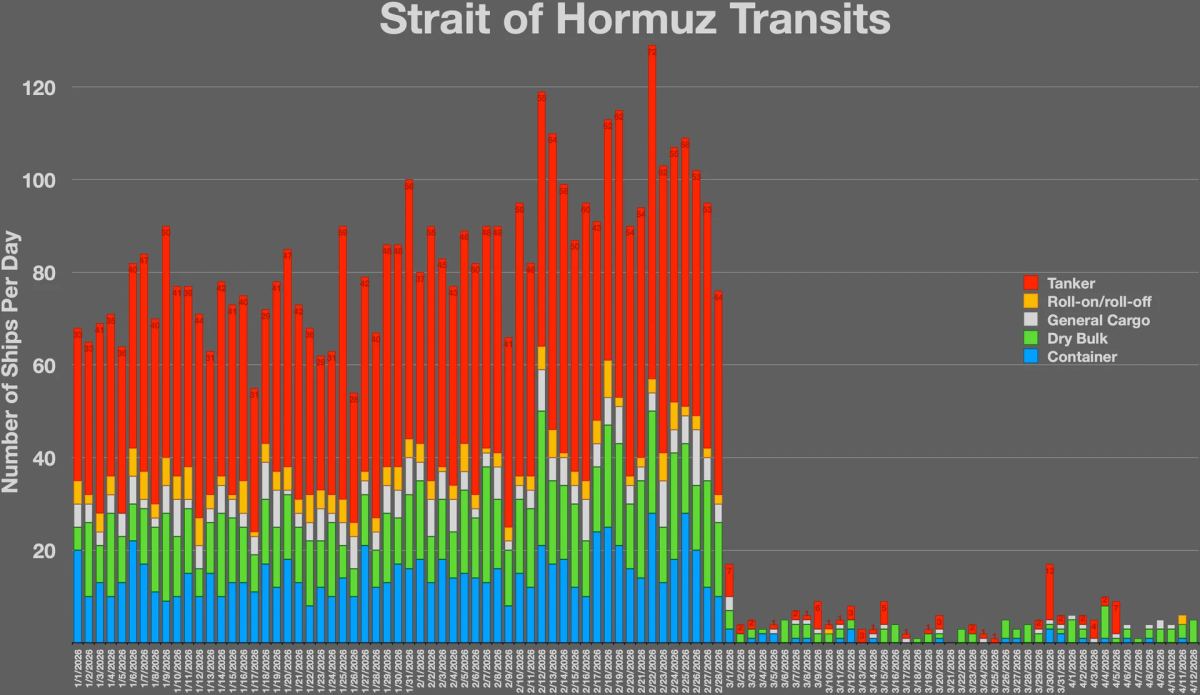
Oil prices edged lower in Asian trade on Monday 23 November, as a broad sell-off in stock markets and expectations of a global supply surplus outweighed continuing attacks on shipping in and around the Gulf, Reuters and Investing.com reported.
Brent crude futures were down 28 cents, or 0.3%, at $92.29 a barrel by 02:16 GMT, while US West Texas Intermediate (WTI) fell 15 cents to $83.26, Reuters reported from Perth. Gulf News, citing Trading Economics, put Brent at about $91.96 later in the morning.
A three-week slide
Brent fell 4% last week and WTI 5%, leaving crude on a three-week losing streak, according to Reuters. Investing.com said Brent has lost roughly 20% so far in November.

Gulf News said crude has dropped about 18% over the past month, although it remains more than 40% higher than a year ago.
The wider market mood was poor. Reuters said the Nasdaq fell 10% last week, and South Korea’s tech-heavy market was down 4% when Asian trading opened on Monday, amid doubts over whether the artificial intelligence boom can lift economic growth.
Why prices are falling
Investing.com reported that traders were weighing a recovery in crude shipments out of the Persian Gulf, which has continued despite frequent attacks on commercial vessels, against forecasts of a growing surplus.
It said the International Energy Agency expects a global surplus of roughly 2 million barrels a day in the fourth quarter, and that Goldman Sachs has warned of a possible large glut next year as producers restore output.
Mukesh Sahdev, chief oil analyst at Sydney-based XAnalysts, told Reuters the fall was driven largely by market momentum. He also warned that the shipping attacks were starting to affect flows, noting that the number of empty tankers was rising while loaded vessels were not.
What is holding prices up
Reuters said fighting linked to the unresolved US–Israeli war with Iran continued to limit oil’s losses. Over the weekend, multiple attacks on shipping near the Strait of Hormuz were reported, and Yemen’s Houthis claimed a strike on Saudi Arabia’s Rabigh oil refinery, which Saudi Arabia has not confirmed.
US President Donald Trump said in a Truth Social post that Iran had fired more missiles and drones over the past week than at any time in more than a year, and that US forces had intercepted them without significant damage, Investing.com reported. Trump has also said he is inclined to resume strikes on Iran after the New Year if talks fail.
Background
The war began in late February, Al Jazeera reported, and TIMILEGIT reported at the weekend that the US naval blockade of Iranian ports had passed 130 days. Al Jazeera also reported on 22 November that oil had crossed $100 a barrel during the conflict before settling lower.
TIMILEGIT has reported on the rise in attacks on tankers near Hormuz and on Iran’s plans to send tankers through the US blockade.
What happens next
OPEC+ ministers will meet from 29 November to decide their output policy for 2027, Reuters reported. Any move by Iran to run the blockade, or a US decision on new strikes, could also move prices sharply. TIMILEGIT will follow the story.
Comments
No comments yet. Be the first to share your thoughts.

Related
Houthis say the toll from a Saudi-led strike on Hodeidah telecoms facilities has risen to 17
US Treasury sanctions an Iranian “shadow banking” network with firms in the UAE, Turkey and Hong Kong