South African court sets aside the Phala Phala report that led to impeachment proceedings against Ramaphosa
The Western Cape High Court ruled the independent panel’s report was fundamentally flawed because it relied on information, not sufficient evidence, a major win for the President.
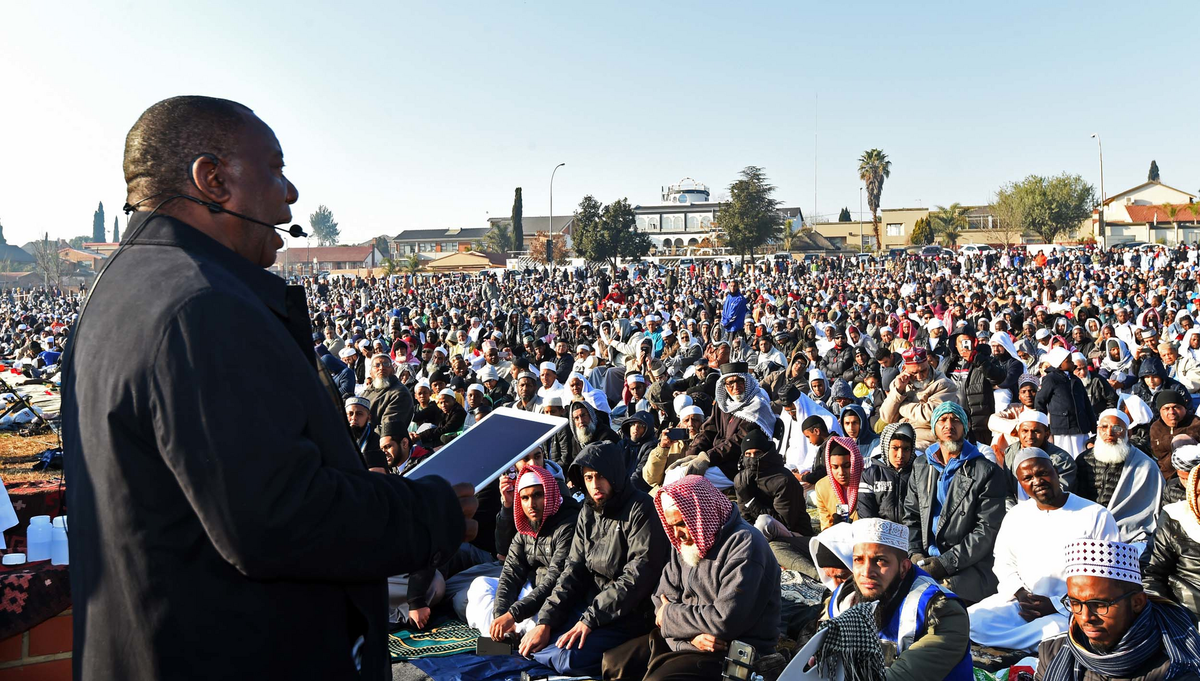
South Africa’s Western Cape High Court has set aside in full the independent panel report on the Phala Phala affair, which had led Parliament to begin impeachment proceedings against President Cyril Ramaphosa, The Citizen and The Witness reported on Wednesday 25 November.
Judge President Nolwazi Penelope Mabindla-Boqwana handed down the judgment in Cape Town on Wednesday morning. She said she and two other judges had reached a single judgment.
What the court found
The court ruled that the Section 89 panel report was fundamentally flawed, The Witness reported.
Its central finding was that the panel had to establish sufficient evidence, not merely information, to justify an impeachment inquiry. “Not all information is evidence,” the judge said, according to both outlets.
The court also said the Constitutional Court had made no binding determination on whether the report itself was valid. The Constitutional Court had ruled only on the constitutionality of Parliament’s vote on the report in December 2022.
The judges found that Ramaphosa had not delayed unreasonably in bringing his review, because its timing followed the Constitutional Court proceedings. The Citizen reported the court also said he could be prejudiced if Parliament went ahead on the basis of an invalid report.
Background
The affair concerns the theft of about $580,000 (about R9.6 million) in cash from Ramaphosa’s Phala Phala game farm in Limpopo in February 2020.
An independent panel appointed under Section 89 of the Constitution examined the matter, and Parliament voted on its report in December 2022.
After a Constitutional Court ruling in May 2026, Parliament set up an impeachment committee. Ramaphosa went to the High Court to have the panel’s report reviewed, and in late July won an interdict pausing the committee’s public hearings until the review was decided. The case was heard over three days in September, The Citizen reported.
What happens next
Both outlets described the story as developing. The reports did not say whether Parliament or opposition parties would appeal. TIMILEGIT will report reactions and any appeal.
Comments
No comments yet. Be the first to share your thoughts.
Related
Herman Mashaba elected Johannesburg mayor, beating the DA’s Helen Zille 170 votes to 97 in an ANC-backed deal
Uganda starts Africa’s first mRNA Ebola vaccine trial, the first to include children, as Congo’s outbreak passes 5,900 deaths