Senegal’s parliament votes 128–9 to condemn President Faye for enacting a rejected budget by decree, putting a $2.2bn IMF deal at risk
The National Assembly, led by Faye’s former prime minister Ousmane Sonko, says the government has not been open about the country’s finances. The IMF wants a completed budget before approving its loan.
Senegal’s National Assembly on Wednesday, 25 November, passed a resolution condemning President Bassirou Diomaye Faye for putting into force a revised 2026 budget that lawmakers had rejected, Reuters and Africanews reported. The vote was 128 to 9.
The standoff threatens a $2.2 billion programme with the International Monetary Fund that is central to restructuring Senegal’s heavy debts, the outlets said. The IMF board has not yet approved it.
The two sides
Faye says the decree is in line with his constitutional duty to keep the state running normally, Reuters reported.
The Assembly is controlled by the Pastef party and led by Ousmane Sonko, Faye’s former prime minister, with whom he has fallen out. Pastef lawmakers say the government has not been transparent about public finances and the debt figures behind the budget.
Sonko has argued that lawmakers were shut out of the talks with the IMF and then asked to approve the commitments that came out of them, IntelliNews reported on 23 November.
Neville Mandimika of Morgan Stanley said on Tuesday that the dispute was a significant risk to Senegal’s medium-term fiscal plans, according to Reuters.
How the crisis built up
Faye sacked Sonko as prime minister on 22 May 2026 and named Ahmadou Al Aminou Lô in his place. Sonko was elected speaker of the Assembly days later, IntelliNews reported. Faye launched his own party in July.
On 1 September, Senegal and the IMF reached a staff-level deal on a 36-month programme of about $2.2 billion. Moody’s cut Senegal’s credit rating to Ca on 29 October.
Lawmakers rejected the revised 2026 budget on 3 November. On 12 November, an IMF spokesperson, Julie Kozack, said board approval needed a completed budget framework.
Pastef said on 17 November that Faye and 31 others had lost their party membership. A day later, lawmakers rejected the first part of the 2027 budget, and on 19 November Faye signed a decree putting the rejected 2026 budget into force under Article 68 of the constitution.
The revised budget cuts the 2026 growth forecast to 2.7% from 5% and raises the deficit target to 7.6% of GDP from 5.4%. Legal experts quoted by IntelliNews disagree on whether Article 68 allows the move.
Background
Pastef won 130 of the 165 seats in a snap election in November 2024. The IMF put Senegal’s total public debt at 132% of GDP at the end of 2024,.
What happens next
The constitutional bar on the president dissolving parliament expires on 2 December 2026, IntelliNews reported. TIMILEGIT will follow the dispute and any IMF decision.
Comments
No comments yet. Be the first to share your thoughts.
Related

Generic lenacapavir: first cheaper twice-a-year HIV prevention injections arrive in Zambia, Global Fund says
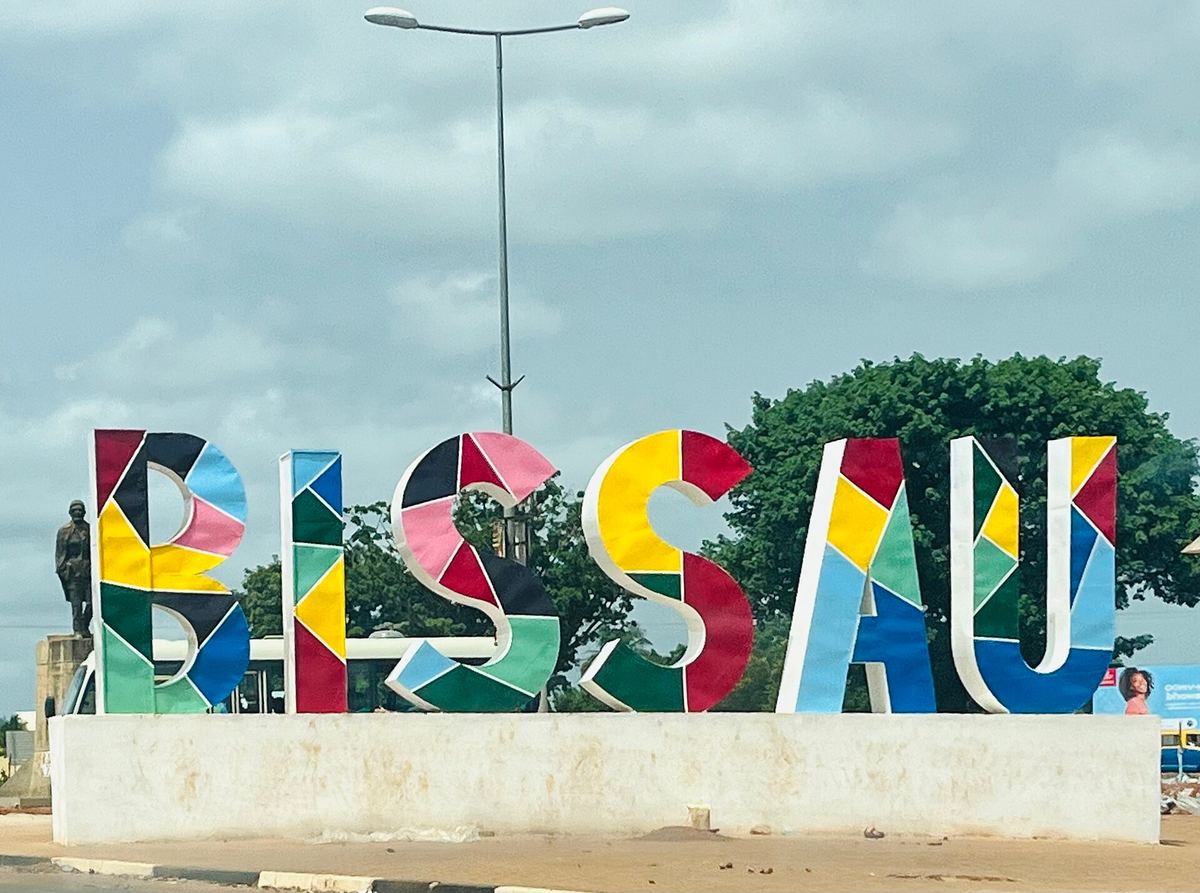
Guinea-Bissau junta postpones elections to November 2028, a year after the coup, extending military rule by two years