Trump says US would “wipe them out” if Iran used a dirty bomb, and is “not rushing” a strike decision
Speaking at APEC in China and to Israeli television, the US president said he would see what happens after 1 January. Iran called reports of a chemical or dirty-bomb plot baseless.
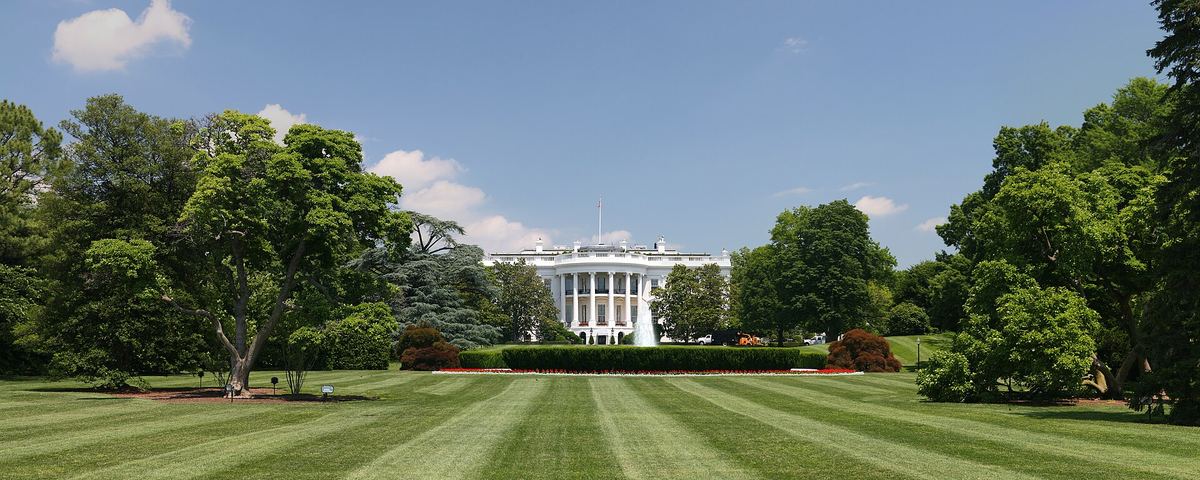
US President Donald Trump said on Wednesday 18 November that the United States would destroy Iran if it ever set off a dirty bomb in Washington, and suggested a decision on fresh strikes could wait until the new year, according to CBS News, The Hill and Al Jazeera.
Trump was answering questions from Fox News at the Asia-Pacific Economic Cooperation (APEC) summit in Shenzhen, China, CBS and The Hill reported. Al Jazeera dated the Fox interview to Thursday.
What Trump said
Asked whether people in Washington, DC should worry about a dirty bomb, Trump said he did not think so. “If it does happen, we wipe them out,” he added, as quoted by CBS and Al Jazeera. The Hill rendered the line as “we’ll wipe them out”.

He said the US would see what happens after 1 January and described Iranians as nasty people, CBS and Al Jazeera reported. He did not explain the significance of the date.
Trump also claimed Iran was looking at gases and biological weapons because the US had shut it out of nuclear work, which he said was much harder. He gave no evidence for the claim, all three outlets noted. Al Jazeera ran an analysis in which experts questioned the basis for it.
On Thursday 19 November Trump told Israel’s Channel 12 that he was not rushing to decide on new action and could wait until the new year starts, the CBS News live blog reported.
Reports of a strike plan
The New York Times reported that Israeli Prime Minister Benjamin Netanyahu is pressing the US to join a four-to-seven-day Israeli strike campaign, CBS said, citing the Times. The paper said Trump is weighing intelligence that Iran is rebuilding missiles and drones and may be working on chemical or biological weapons, and that officials disagree on how strong that intelligence is.
Bloomberg reported a growing risk of new strikes but no final decision, according to CBS.
Iran’s response
Iran’s Foreign Ministry spokesman Esmaeil Baghaei called the allegations baseless and a fabricated media narrative, The Hill reported. Foreign Minister Abbas Araghchi dismissed the reporting as rubbish and compared it to the propaganda before the 2003 Iraq war.
Iran’s ambassador to the UN said Tehran would not accept unconditional and unlimited cooperation with International Atomic Energy Agency inspectors while it is under attack, CBS reported.
On the ground
Fighting continued on 18 and 19 November. Iran’s army said its drones targeted Patriot air defences at Ali Al-Salem air base in Kuwait; Kuwait and Bahrain said they intercepted the attacks, CBS reported. US forces struck a Revolutionary Guards missile site on Qeshm Island, which Washington described as self-defence.
Trump said Iran wants a deal but that he wants one that lasts, describing the June memorandum of understanding, which produced a ceasefire of under three weeks, as a waste of time, CBS reported. Indirect talks have stalled for weeks.
Background
The remarks followed a CNN report on Tuesday 17 November, citing US intelligence, that Iran may be planning to target senior officials in Washington with a chemical weapon or dirty bomb, Al Jazeera and The Hill reported. Secretary of State Marco Rubio said there was no imminent threat, and Homeland Security Secretary Markwayne Mullin called Iran’s planning aspirational.
Oil prices have been volatile. Brent crude was about $92 a barrel early on 19 November, Reuters reported, held down by a supply surplus but supported by war risk. Oil prices feed directly into Nigeria’s budget revenue and local fuel costs.
What happens next
Trump’s comments point to a decision window around the new year. TIMILEGIT will update this story as Washington, Tehran and Jerusalem respond.