Trump says he will work with Democrats to cap credit card interest at 10%
Elizabeth Warren, expected to chair the Senate Banking Committee when Democrats take over in January, welcomed the offer. Banking groups remain strongly opposed.
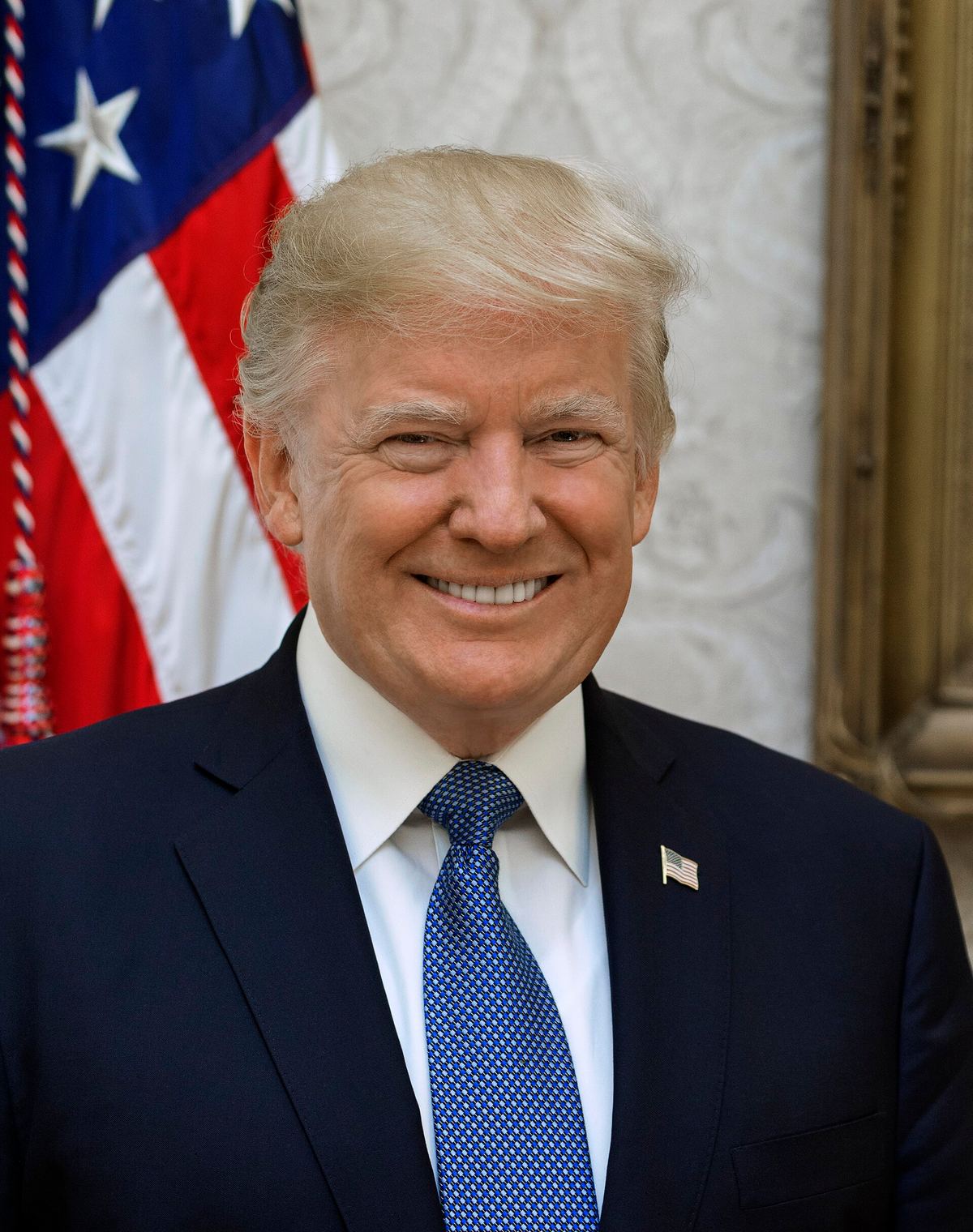
President Donald Trump said on Saturday 21 November that he would work with the incoming Democratic-controlled Congress to cap credit card interest rates at 10%, AP and CBS News reported.
Speaking on Fox News Channel’s “Saturday in America”, Trump said he would do it and that credit card companies have made a lot, according to AP. He also said fees and interest were too high, Newsweek reported.
The response
Senator Elizabeth Warren, who is expected to chair the Senate Banking Committee, replied that Congress should cap the rates and save Americans money, AP and CBS reported. Earlier this month she told CBS she already had a bill ready, Newsweek said.

Republican Senator Josh Hawley and independent Senator Bernie Sanders have introduced a bill for a five-year 10% cap, Newsweek reported. Senate Majority Leader John Thune said it was not something he was advocating, and Senator Thom Tillis said he was totally against it.
The American Bankers Association said it continues to strongly oppose a government-imposed cap, and the Consumer Bankers Association argued a cap could restrict credit for most cardholders, Newsweek reported.
The numbers
The median credit card rate is about 22.2%, according to a New York Federal Reserve survey from August, AP and CBS reported. Researchers estimate a 10% cap would save Americans about $100bn a year in interest.
About 195 million Americans had credit cards in 2024 and paid $160bn in interest, according to the Consumer Financial Protection Bureau, the outlets said. Card balances rose by $22bn in the third quarter to about $1.28trn, Newsweek reported, citing the New York Fed.
Background
Trump promised a cap during the 2024 campaign and in January 2026 called for a one-year cap, but nothing was put in place, AP and Newsweek reported. The Republican-led Congress did little to pass it.
What happens next
Democrats take control of both chambers in January. Most bills still need 60 Senate votes, and no formal negotiations or timetable have been announced, Newsweek said.
Comments
No comments yet. Be the first to share your thoughts.

Related

Wall Street closes with its best day since April 2025, as Nvidia ends up 31% on Jensen Huang’s return
Wall Street surges and Nvidia jumps about 30% after Jensen Huang returns as chief executive