UNAIDS warns HIV funding cuts threaten decades of progress, and says up to 98% of Nigeria’s HIV money comes from abroad
International HIV funding fell 18% in a year, and prevention services have shrunk sharply, the UN agency says in its new global report. About 570,000 people died of AIDS-related illness in 2025.
Cuts to international funding are putting decades of progress against HIV at risk, UNAIDS has warned in a new global report released on Tuesday 24 November, with sub-Saharan Africa expected to be hit hardest.
The UN agency’s report, ahead of World AIDS Day, says international HIV financing fell 18% over the past year, TVC News reported. The United States, the largest funder, cut its contributions by 26% between 2024 and 2025, and Global Fund disbursements fell 13% over the same period.
The numbers
About 570,000 people died of AIDS-related illness in 2025, down from 600,000 in 2024 and 1.3 million in 2010, according to the report as summarised by TVC News, which put the toll at about 1,600 deaths a day.
New infections were about 1.2 million in 2025, compared with 1.3 million a year earlier and a peak of 3.5 million in 1994.
Some 32.1 million people living with HIV are on treatment. UN News put the total number living with the virus at about 40 million; TVC News reported 41 million.
Low- and middle-income countries face a funding gap of $4.3 billion, UN News reported.
Prevention is falling fastest
About 446,000 fewer people received PrEP, the medicine that prevents infection, in 2025 than the year before. Use fell by 59% among sex workers and 58% among people who inject drugs, the report says.
Global condom distribution dropped from 3 billion to 2.7 billion between 2024 and 2025, and voluntary medical male circumcision fell by 53% in priority countries.
About three-quarters of the civil society groups surveyed reported disruption to services, and more than 80% were working at under half their capacity by the end of 2025. Testing for advanced HIV disease fell 35% across six countries.
Nigeria’s exposure
The report highlights how dependent some African countries are on donors: external money makes up as much as 98% of HIV resources in Nigeria, 94% in Mozambique and 80% in Uganda, UN News reported.
In many affected countries, debt payments are now two to three times what governments spend on health, the agency said.
What UNAIDS said
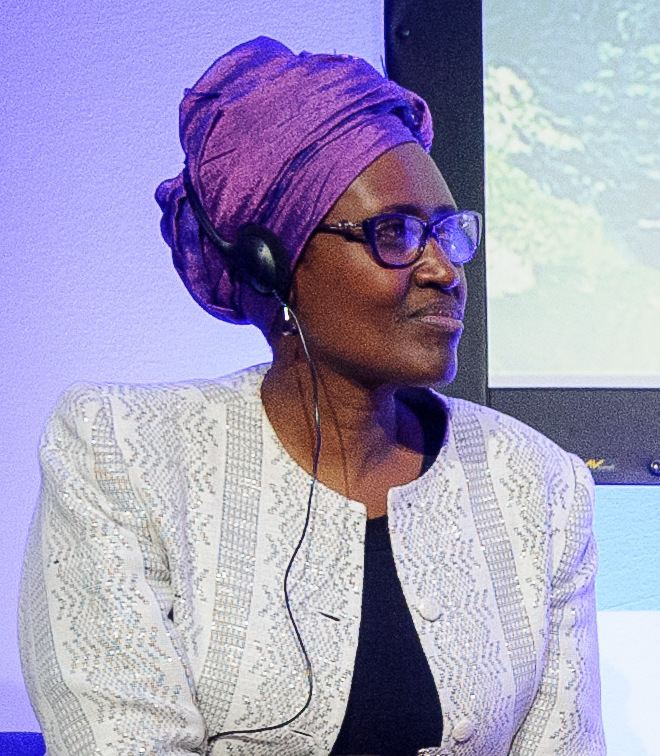
UNAIDS Executive Director Winnie Byanyima warned that the world is “sleepwalking into a preventable crisis”. She said every clinic that closes and every outreach worker who loses a job risks leading to new infections, and described community organisations as often the only trusted link between health systems and people most at risk.
Background
The UN set the goal of ending AIDS as a public health threat by 2030. UNAIDS says the target can still be met, and that doing so would prevent 3.2 million new infections and 1.3 million AIDS deaths by the end of the decade.
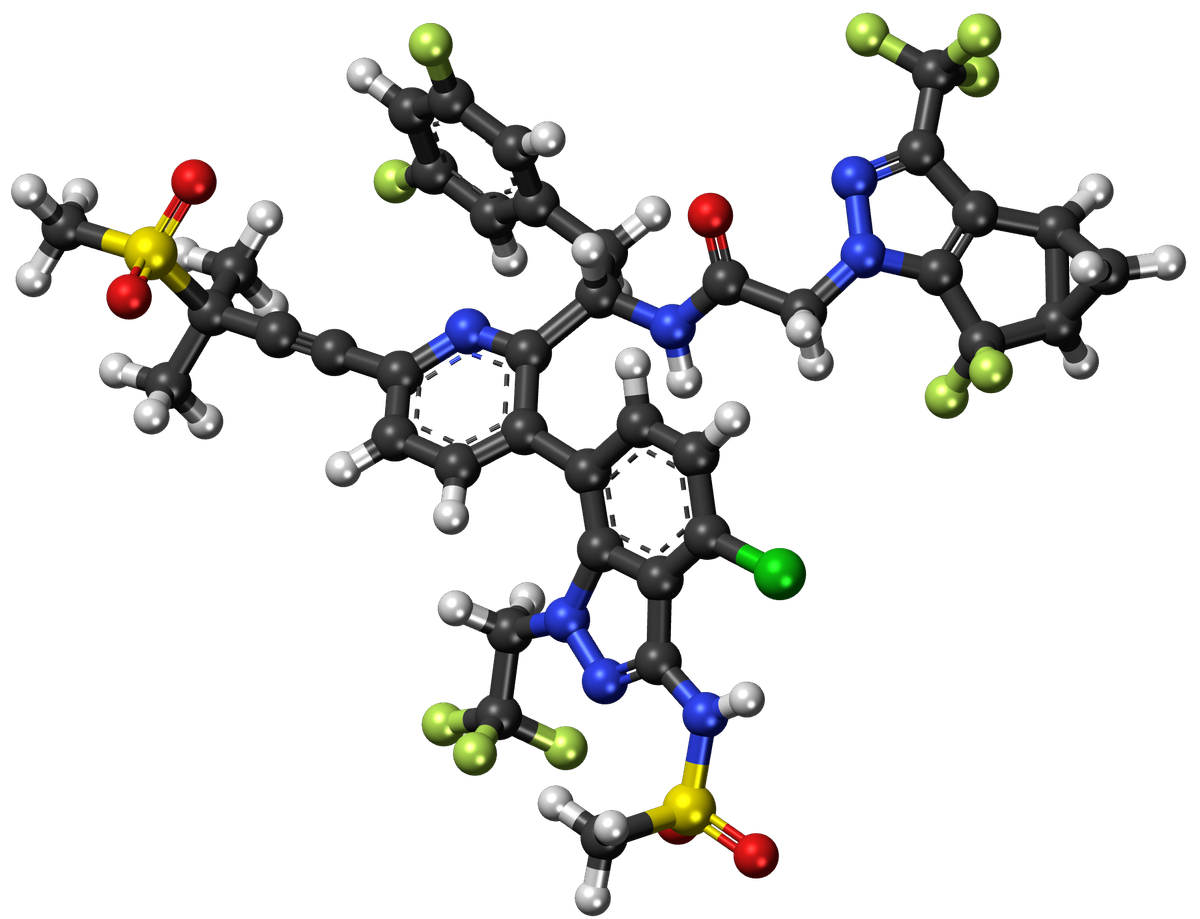
It points to new tools such as lenacapavir, a prevention injection given twice a year, but says governments must make HIV a national priority and remove stigma and discrimination.
What happens next
UNAIDS has called on governments and international partners to renew their funding. TIMILEGIT will report any response from Nigeria’s health authorities.
Comments
No comments yet. Be the first to share your thoughts.

Related
Generic lenacapavir: first cheaper twice-a-year HIV prevention injections arrive in Zambia, Global Fund says
Guinea-Bissau junta postpones elections to November 2028, a year after the coup, extending military rule by two years