US judge strikes down rule that would have capped stays for foreign students and journalists
The rule would have limited students to four years and foreign journalists to 240 days at a time. A Massachusetts court found it arbitrary and vacated it.
A US federal judge has struck down a Department of Homeland Security (DHS) rule that would have put fixed time limits on how long foreign students and journalists can stay in the United States, AFP and Middle East Eye reported. Vanguard, which carried the AFP report, highlighted the impact on Nigerians.
Judge F. Dennis Saylor IV ruled on Monday 16 November that the rule was arbitrary and capricious, and vacated it in full, Middle East Eye and Raw Story reported. Middle East Eye said the judge sits in the US District Court in Massachusetts.
What the rule said
Under the current system, students on F visas are admitted for the “duration of status”, meaning they can stay as long as they are studying. The new rule would have capped admission at four years, after which students would have had to apply for an extension, AFP reported.
Foreign journalists on I visas, who can currently stay for up to five years, would have been admitted for 240 days, about eight months, and would have had to apply again for each further period, AFP and Middle East Eye said. AFP reported that Chinese journalists would have been limited to 90 days.
AFP said the United States hosted more than 1.1 million international students in 2023–24.
Why the judge threw it out
Saylor found the rule violated the Administrative Procedure Act, Raw Story reported. He said DHS had not properly considered alternatives, such as making better use of SEVIS, the existing system for tracking students.
He also objected that the limits would discourage long courses of study such as PhD programmes. “Put bluntly, DHS is seeking to prevent or discourage the very activity” the visas exist for, he wrote, as quoted by AFP and Raw Story.
Middle East Eye said the court found DHS could not show the widespread fraud or security problems it cited to justify the change.
Background
DHS proposed the limits a little over a year ago and received about 22,000 public comments, most of them opposed, Middle East Eye reported. The rule was due to take effect on 14 September, but Saylor put it on hold about seven hours before that.
The case was brought in August by groups including NAFSA: Association of International Educators, the Presidents’ Alliance on Higher Education and Immigration, the American Federation of Teachers and The NewsGuild-CWA, Middle East Eye said.
What happens next
Middle East Eye said the ruling ends the case in its current form but the administration may appeal. AFP reported the government had already appealed the September hold. Students should follow guidance from their school’s international office and official US government websites. TIMILEGIT will update this story.
Comments
No comments yet. Be the first to share your thoughts.

Related
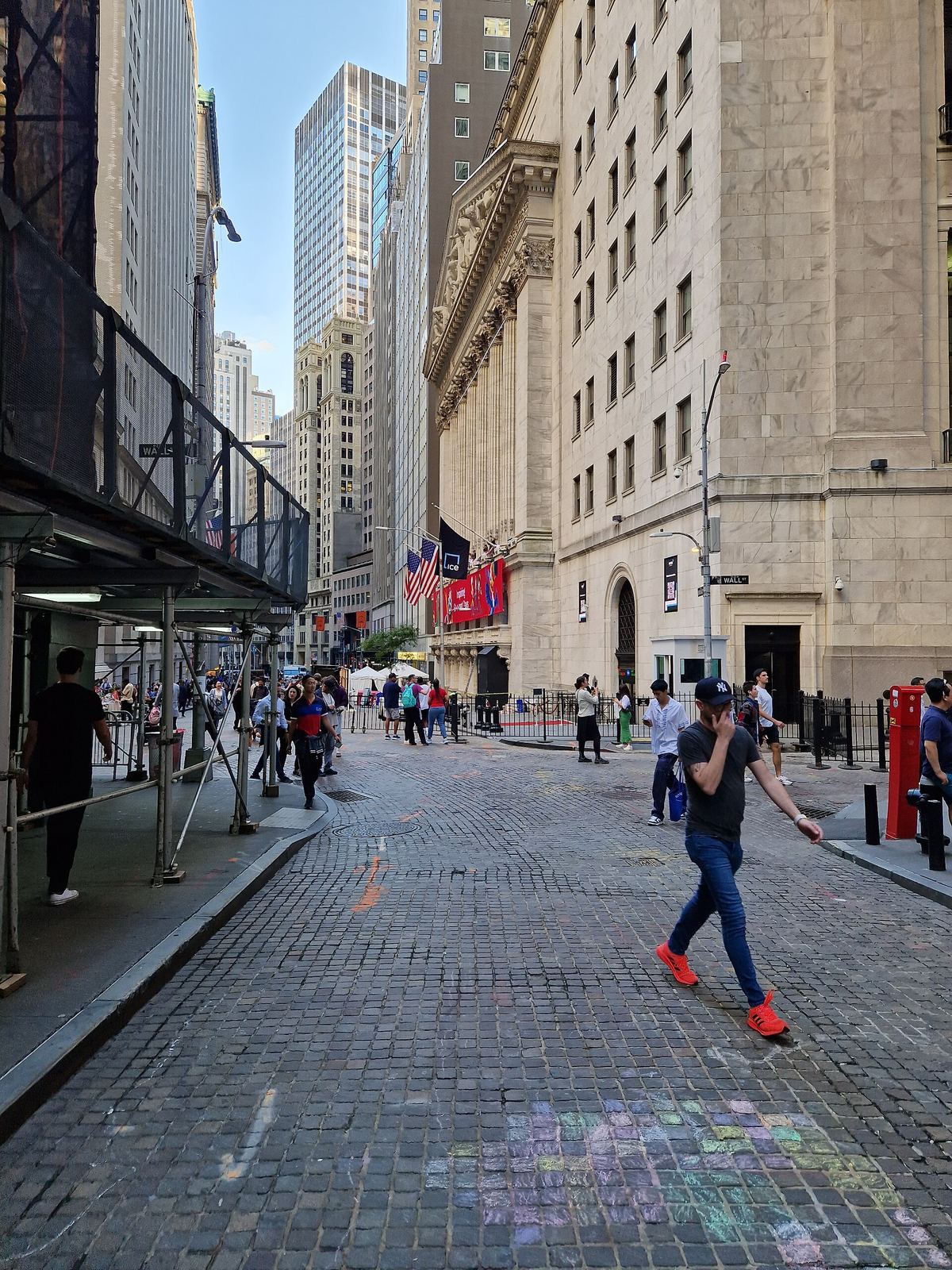
Wall Street closes with its best day since April 2025, as Nvidia ends up 31% on Jensen Huang’s return
Wall Street surges and Nvidia jumps about 30% after Jensen Huang returns as chief executive