WFP chief warns blocked shipping routes could cost $727m and put food aid for 7.3 million more people at risk
Luke Lindberg told the UN Security Council that disruption at Hormuz, Bab al-Mandeb and the Black Sea is driving up food and aid costs, with famine risks in Sudan, South Sudan and Somalia.
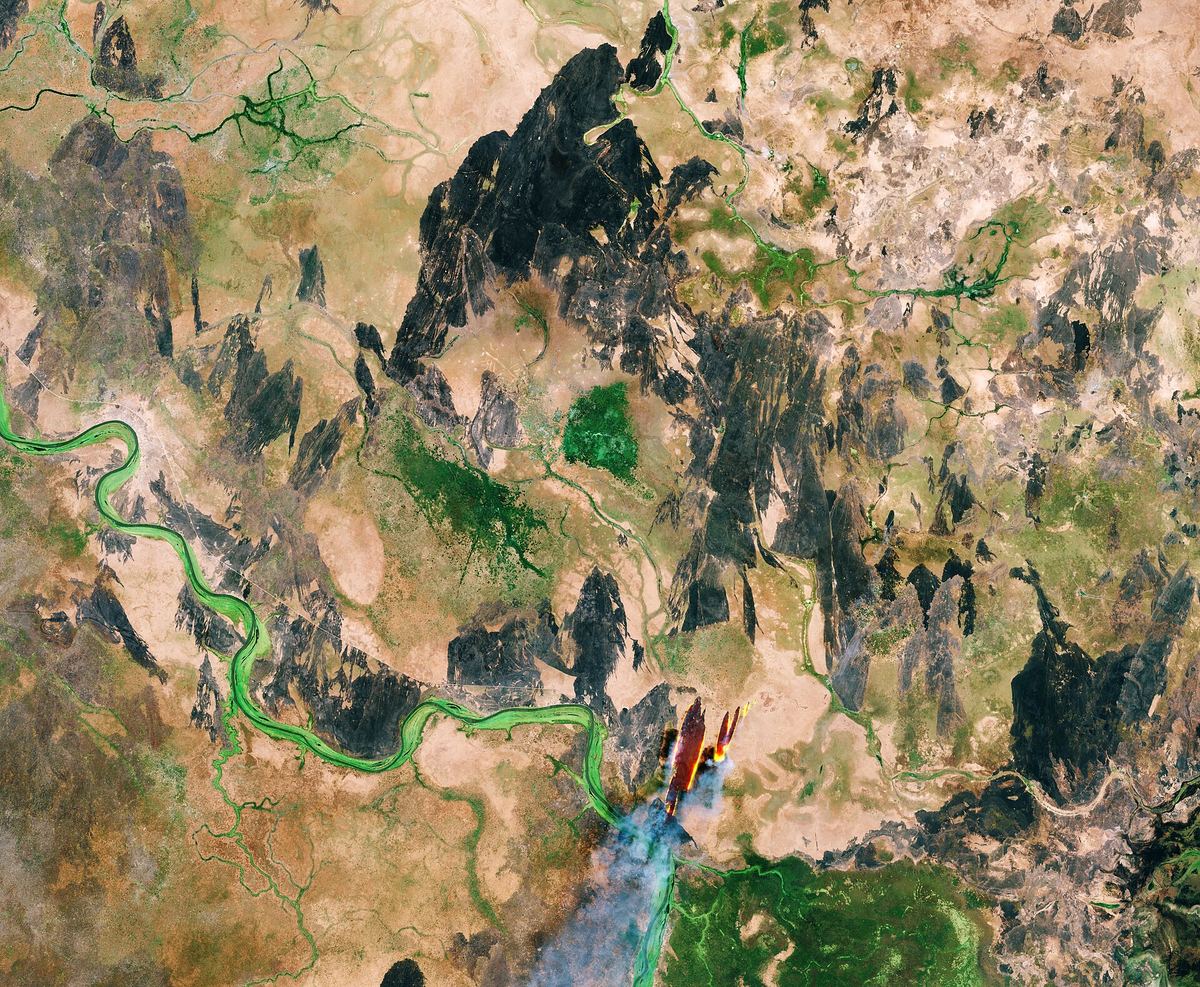
Wars in the Middle East and Ukraine are choking key shipping routes and could add $727m to the World Food Programme’s costs by mid-2027, putting food aid for 7.3 million more people at risk, the agency’s head has warned.
Luke Lindberg, WFP executive director, told the UN Security Council in New York on Monday that disruption at the Strait of Hormuz, the Bab al-Mandeb Strait and the Black Sea had tightened supplies of food exports and farming inputs.
He said the extra costs were taking money straight out of the agency’s operations, according to Reuters and Al Jazeera.

Lindberg argued that the world was not short of food. “Grain is available, but it is not reaching the people who need it,” he said, according to Al Jazeera, describing the crisis as a political problem rather than one of production.
About 266 million people worldwide already face acute hunger, he said, and parts of Sudan, South Sudan and Somalia are at risk of famine.
In Sudan, the cost of a basic diet has risen by 130% since February, Al Jazeera reported.
Background
About 30% of global fertiliser supplies pass through the Strait of Hormuz, where shipping has been heavily disrupted during the US–Iran war. Reuters reported that food yields may therefore be lower next season.
The Black Sea is a key source of grain for countries including Somalia and Yemen, which imports about 90% of its food. Al Jazeera reported that wheat and maize vessels passing through the Bosphorus had fallen by 63% by mid-October compared with a year earlier.
Up to 10 million tonnes of Russian and Ukrainian wheat, enough to feed about 44 million people, could fail to reach global markets, according to the figures Al Jazeera reported.
The UN Food and Agriculture Organization’s food price index reached a near four-year high in September, and wheat prices have risen almost 10% since January, Reuters said. It added that climate shocks such as El Niño were worsening the pressure.
Lindberg, a former US agriculture official, was named to lead the agency by President Donald Trump in September, according to Reuters. The WFP helps more than 100 million people in 83 countries each year.
What happens next
Lindberg urged member states to commit to three red lines: no more famines, no more weaponisation of food, and no more attacks on aid workers, Al Jazeera reported.
The WFP’s estimate assumes current conditions persist until mid-2027. TIMILEGIT will update this story.
Comments
No comments yet. Be the first to share your thoughts.
Related
Saudi-led coalition says a tower in Riyadh’s financial district was hit in a “terrorist attack”, days after the PIF tower was struck
Israeli strike kills Hamas internal security chief Naeem Abu Nahel in Gaza City, as at least seven die across the Strip