Ebola: health workers shelter in a maternity ward for over 24 hours as fighting hits a DR Congo hospital, WHO says
WHO chief Tedros Adhanom Ghebreyesus said clashes near a hospital in Ituri province disrupted the response to Congo’s worst Ebola outbreak. Nigeria, which tracked contacts of an imported case this month, remains on high alert.
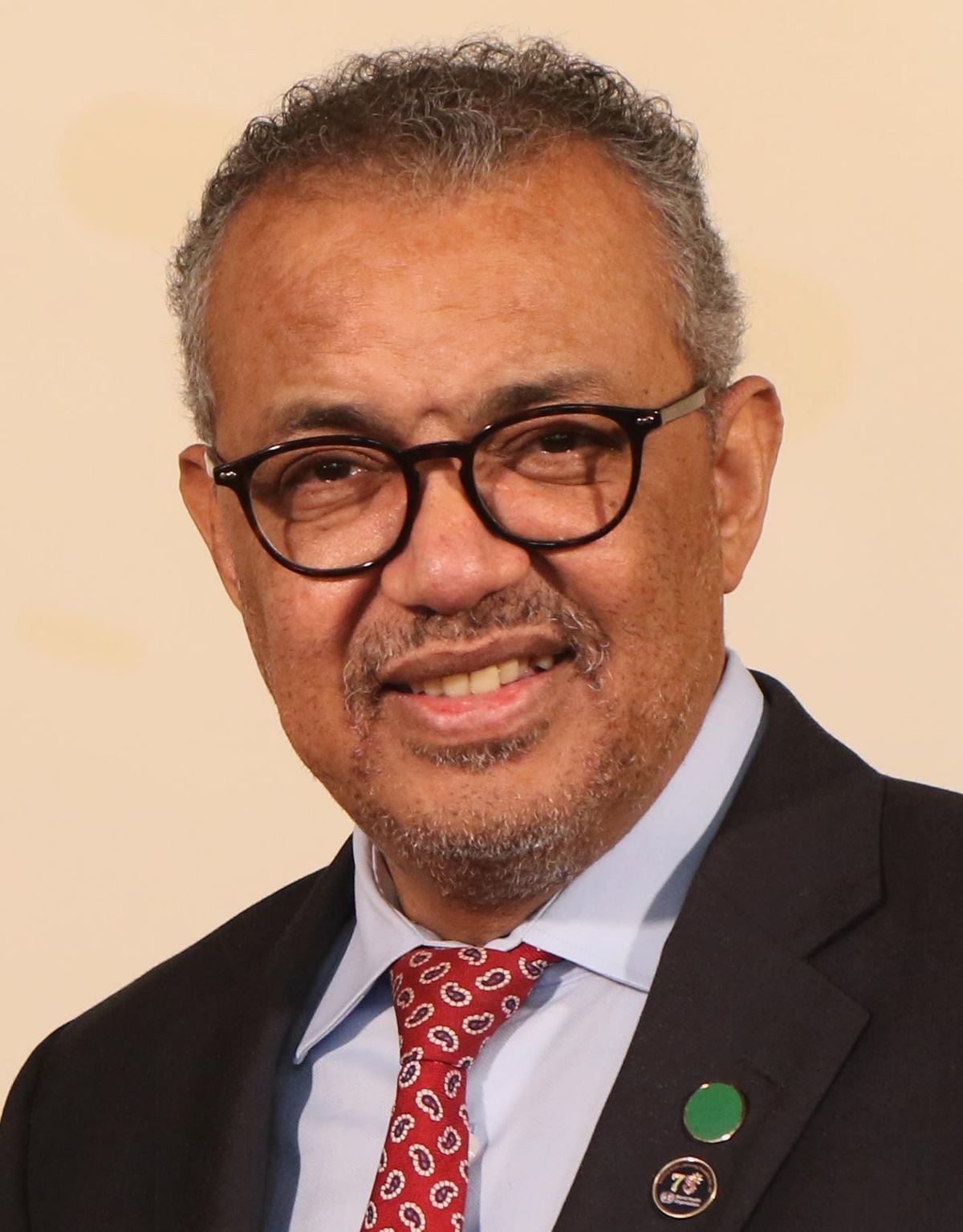
Heavy fighting near a hospital in Ituri province in the Democratic Republic of Congo forced health workers and aid partners to shelter inside a maternity ward for more than 24 hours and disrupted the response to the country’s Ebola outbreak, the head of the World Health Organization said on Sunday 22 November, Reuters and Al Jazeera reported.
WHO Director-General Tedros Adhanom Ghebreyesus said on X that the clashes, near the area where the outbreak first emerged, put patients, families and health workers at grave risk.
He said WHO was working with humanitarian partners to arrange a safe exit for the trapped staff, and called for hospital workers, patients and health facilities to be protected. “The best medicine is peace,” he said, according to Al Jazeera.
What is not known
The reports did not name the hospital, the armed groups involved or the number of staff trapped, and did not say whether they had since left.
The size of the outbreak
Tedros said attacks across eastern Congo had increased since late October and were seriously affecting the Ebola response, Reuters reported.
Since the outbreak was declared on 15 May 2026, more than 11,000 people have been infected and more than 5,500 have died, according to government figures cited by Reuters. WHO reported 11,613 cases and 5,678 deaths as of 17 November, Al Jazeera said, making it Congo’s largest and deadliest Ebola outbreak on record.
In a statement on 21 November, WHO said some areas had seen a slight fall in cases, but high-level transmission continued nationwide. Ituri and North Kivu are the worst-hit provinces.
A region at war
Eastern Congo has suffered violence for more than 30 years. Al Jazeera reported that in early November armed men linked to an ISIL-affiliated group raided villages in North Kivu, killing dozens and forcing patients with confirmed or suspected Ebola to flee.
Government forces are also fighting the Rwanda-backed M23 armed group, which has seized key eastern cities, making it harder to move medical supplies to remote areas, Al Jazeera said.
The Nigeria angle
On 13 November the Nigeria Centre for Disease Control and Prevention (NCDC) said it had completed 21 days of monitoring for 62 contacts of an imported case of Bundibugyo virus disease, a type of Ebola, with no onward transmission, Sahara Reporters reported. The alert was first raised by health workers in the Federal Capital Territory.
NCDC Director-General Jide Idris said Nigeria remained vigilant and on high alert because transmission was continuing in Congo, and that the National Emergency Operations Centre stayed activated at Level 3.
What happens next
WHO is trying to secure the safe exit of its staff from the Ituri hospital. Its next outbreak update will show whether the fighting has slowed the response further. TIMILEGIT will follow the story.
Comments
No comments yet. Be the first to share your thoughts.

Related
Tinubu sends bill to National Assembly to decriminalise attempted suicide and give survivors support
Zelensky says Ukrainian sea drones sank the Russian corvette Merkury at Benghazi; UN mission calls for an inquiry