Only about 20% of Nigeria’s 30,000 primary health centres are fully functional, family physicians say
The Society of Family Physicians of Nigeria wants its doctors to lead primary health care, warning of poor funding, decaying buildings and staff leaving the country.
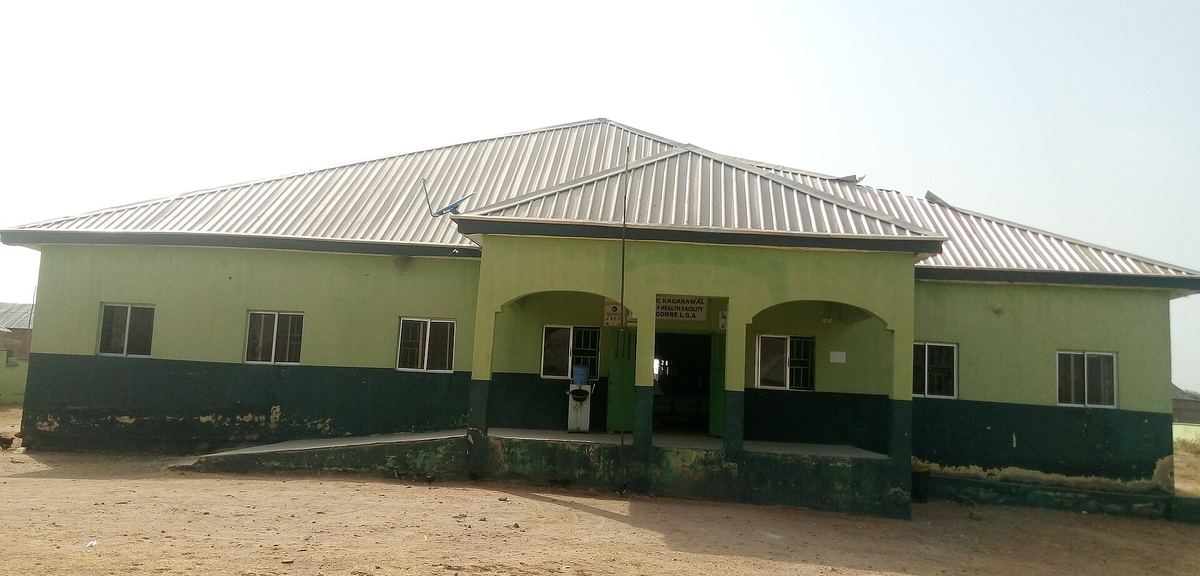
Only about 20% of Nigeria’s more than 30,000 primary health centres (PHCs) are fully functional, the Society of Family Physicians of Nigeria (SOFPON) said at a news conference in Lagos on Thursday 19 November, Vanguard and the News Agency of Nigeria reported.
The briefing came ahead of the society’s 29th Annual General and Scientific Meeting, themed “Primary Health Care Without Family Physicians: Can Nigeria Afford the Gap?”
What the doctors said
SOFPON vice-president Dr Ibrahim Yakubu said funding for PHCs is far below the 15% target set by the Abuja Declaration, and that many centres suffer structural decay and a shortage of skilled staff.

He said that without family physicians, care becomes fragmented, diagnoses are delayed and costs rise. Nigeria, he said, carries a double burden of disease: malaria, tuberculosis and cholera alongside rising hypertension, diabetes, kidney disease and cancer.
Yakubu blamed poor pay, insecurity and weak welfare for driving doctors abroad. “A broken doctor cannot heal a broken healthcare system,” he said, Vanguard reported.
National secretary Dr Jatau Ahmed said the society was not asking for one specialist in every centre. Instead, one family physician would oversee several facilities in an area, train nurses and community health extension workers, and set standard procedures and referral rules. He estimated that about 80% of the conditions seen at primary level could be handled there.
Prof. Sunday Udoh called for reliable electricity, internet and proper equipment, especially in rural centres, while Dr Sixtus Ozuomba, chair of the local organising committee, warned that heavy workloads and burnout undermine care.
What they want
The society asked governments to make certified family physicians part of PHC leadership, to equip and staff existing centres rather than only build new ones, and to give rural allowances and better security to doctors in underserved areas.
Background
The 20% figure is SOFPON’s estimate. The state of Nigeria’s PHCs has long been a concern for health workers and lawmakers, who have repeatedly warned that most centres lack staff, drugs or power. No government response was reported.
What happens next
The society’s conference will discuss the proposals. TIMILEGIT will report any response from the Federal Ministry of Health or the National Primary Health Care Development Agency.
Comments
No comments yet. Be the first to share your thoughts.
Related
Ebola: health workers shelter in a maternity ward for over 24 hours as fighting hits a DR Congo hospital, WHO says
Alausa says medical school admissions have risen from 5,000 to 12,000 a year, with 20,000 the target by end-2028