Nigeria ratifies the UN High Seas Treaty and becomes party number 108 to the BBNJ Agreement
Nigeria’s UN envoy, Jimoh Ibrahim, deposited the ratification instrument signed by President Tinubu in New York, letting Nigeria take full part in the treaty’s first conference in January 2027.
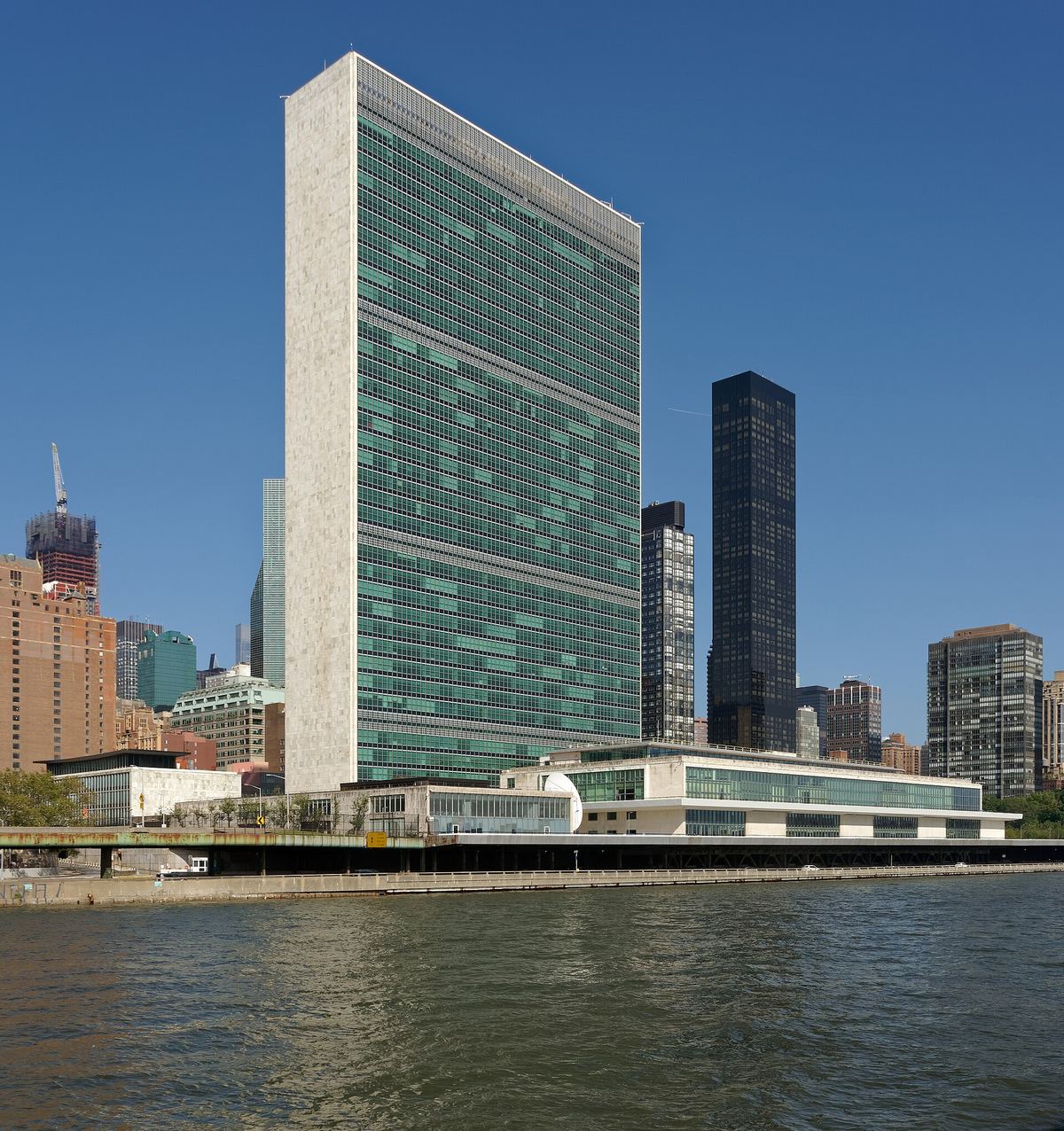
Nigeria has formally joined the UN agreement on Biodiversity Beyond National Jurisdiction (BBNJ), known as the High Seas Treaty, after its envoy deposited the country’s ratification at UN headquarters in New York on Tuesday 24 November, Premium Times and P.M. News reported.
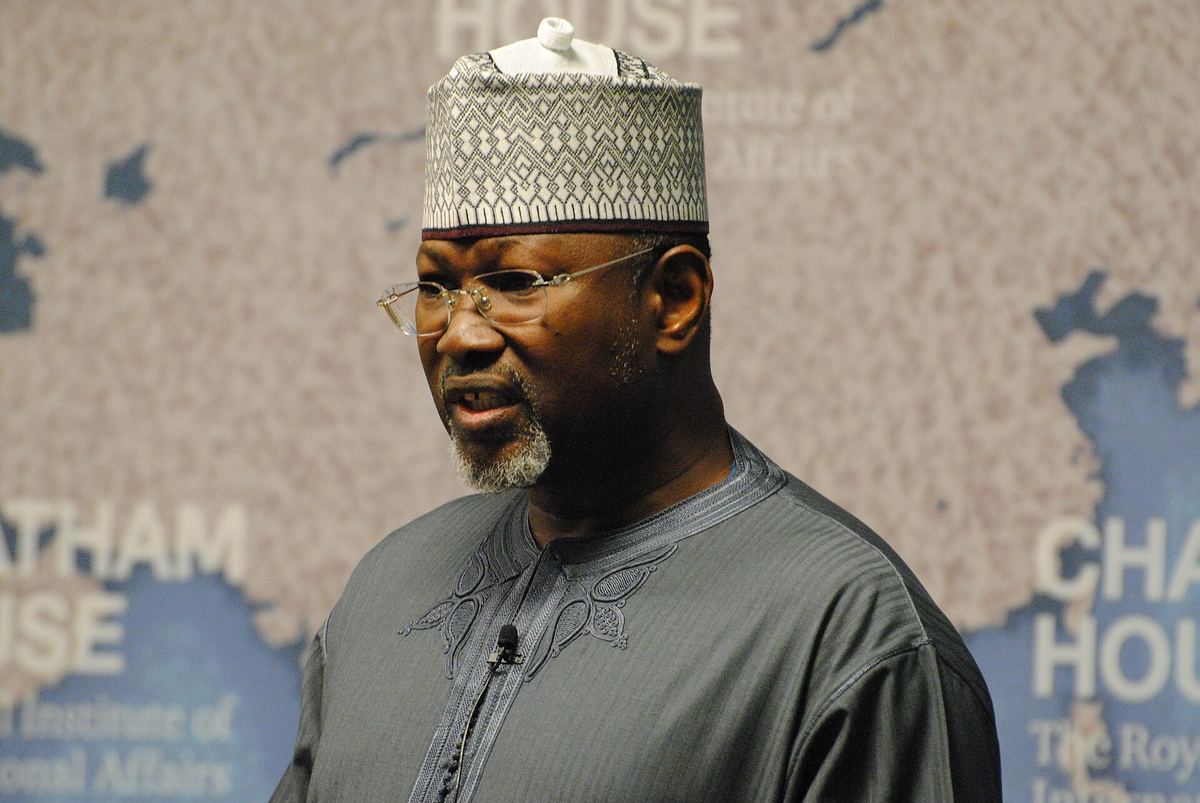
Nigeria’s Permanent Representative to the UN, Ambassador Jimoh Ibrahim, handed over the instrument, which was signed by President Bola Tinubu and dated 20 October, according to Premium Times.
The officer in charge of the UN Treaty Section, Evelyn Sánchez, received it and told Ibrahim that Nigeria was now party number 108 to the agreement, P.M. News reported, citing the News Agency of Nigeria.
What the envoy said
Ibrahim said the move reflected President Tinubu’s wish to develop the country’s blue ocean economy, and described the deposit as significant and symbolic, according to P.M. News.
He said Nigeria would need to buy geophysical equipment to find out what lies in its seas, the agency report said.
A statement from Nigeria’s UN Mission, reported by The Sun, said Nigeria would press for fair sharing of benefits from marine genetic resources and digital sequence information, technology transfer to African countries, and a special fund with “adequate and predictable resources”.
The Sun said the statement made clear that the treaty does not expand Nigeria’s territorial waters. Ibrahim urged African states that have not ratified the agreement to do so.
What the treaty does
The agreement covers waters beyond national jurisdiction, nearly two-thirds of the ocean surface, Premium Times reported. It was adopted by consensus in June 2023 and entered into force on 17 January 2026.
It rests on four pillars: marine protected areas, environmental impact assessments, marine genetic resources and benefit-sharing, and capacity-building and finance. Fishing and military activity are excluded from the benefit-sharing rules, according to Premium Times.
Nigeria is also working with other West African states on a proposed highly protected marine area on the high seas, The Sun reported.
Background
Nigeria signed the treaty on 3 May 2024, Premium Times said. Ratification was the final step needed to become a full party.
Separately, Nigeria has recommendations from the UN Commission on the Limits of the Continental Shelf covering about 16,300 square kilometres of seabed beyond 200 nautical miles, which the Presidency says is about five times the size of Lagos State, P.M. News reported.
What happens next
Nigeria can now take full part in the first Conference of the Parties, due in the United States from 11 to 22 January 2027, according to Premium Times. Questions on governing protected areas, funding and benefit-sharing remain open. TIMILEGIT will follow Nigeria’s role.
Comments
No comments yet. Be the first to share your thoughts.
Related

UN aid chief Tom Fletcher arrives in Aden, says 364,000 Yemenis have fled their homes since August, and asks Houthis to free detained staff
Iran tells the UN Security Council the US and Israel used AI to pick 2,000 targets in 96 hours