Iran war: nine months on, a blockade and talks with no deal in sight
Trump says he wants a lasting deal and could “finish it off” soon. Iran says the ball is in Washington’s court. In the meantime the US naval blockade, attacks on ships and tit-for-tat strikes go on.
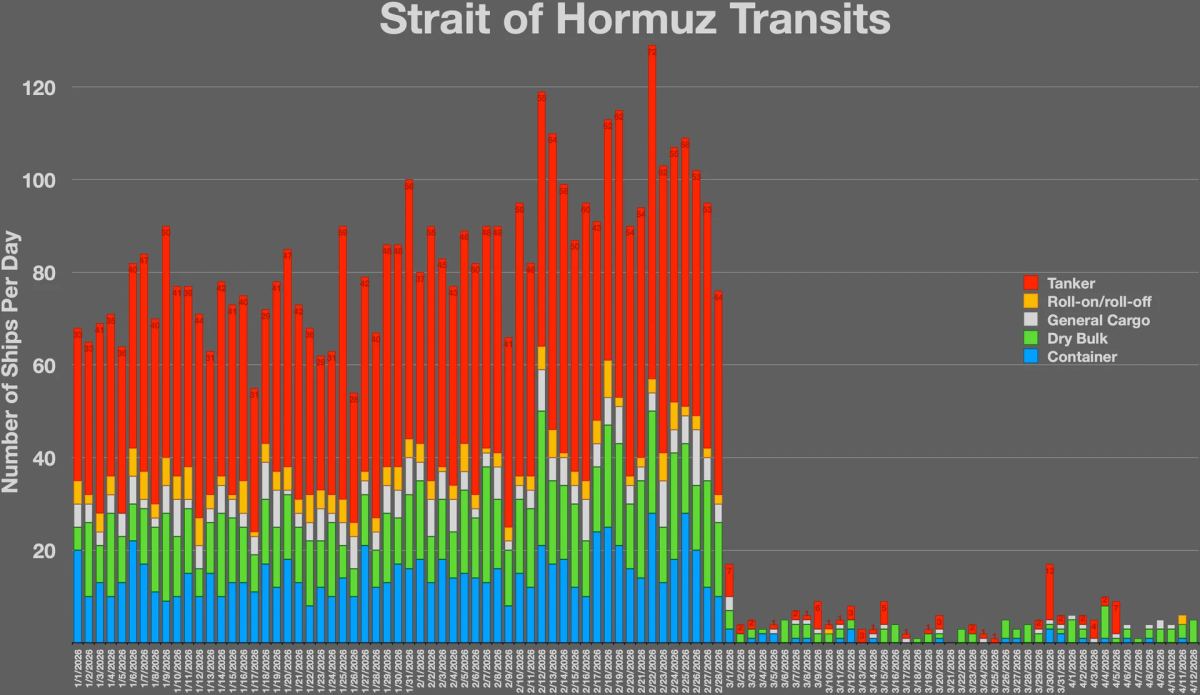
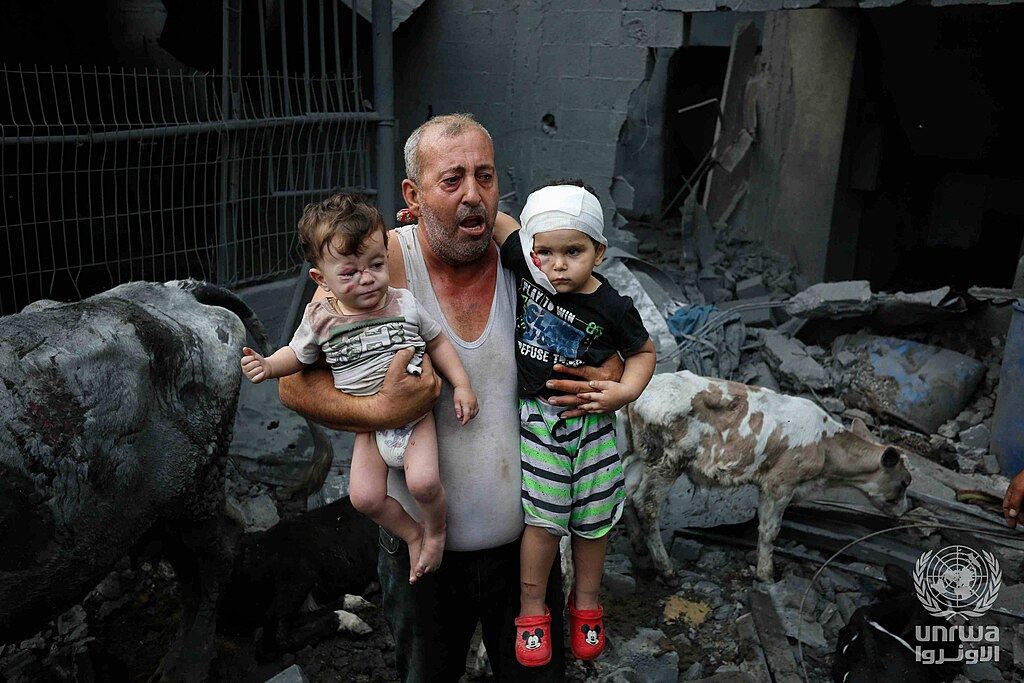
Nearly nine months after the US and Israel launched strikes on Iran, the war has settled into a standoff of naval blockade, attacks on shipping and occasional strikes, while efforts to agree a settlement have stalled, according to reporting by Al Jazeera, the Associated Press and Gulf News.
What Washington is saying
President Donald Trump has given mixed signals. On 9 November, after meeting Qatar’s prime minister, he said Iran “militarily is effectively over” and that the US was keeping the status quo, including the blockade, Al Jazeera reported. He also said US forces were “locked and loaded” if fighting had to resume.
In a Fox News interview circulated this week, Trump said Iran wants to make a deal but that he wants one that can last, and that he would finish the war soon “one way or the other”, Gulf News reported. He gave no timetable.
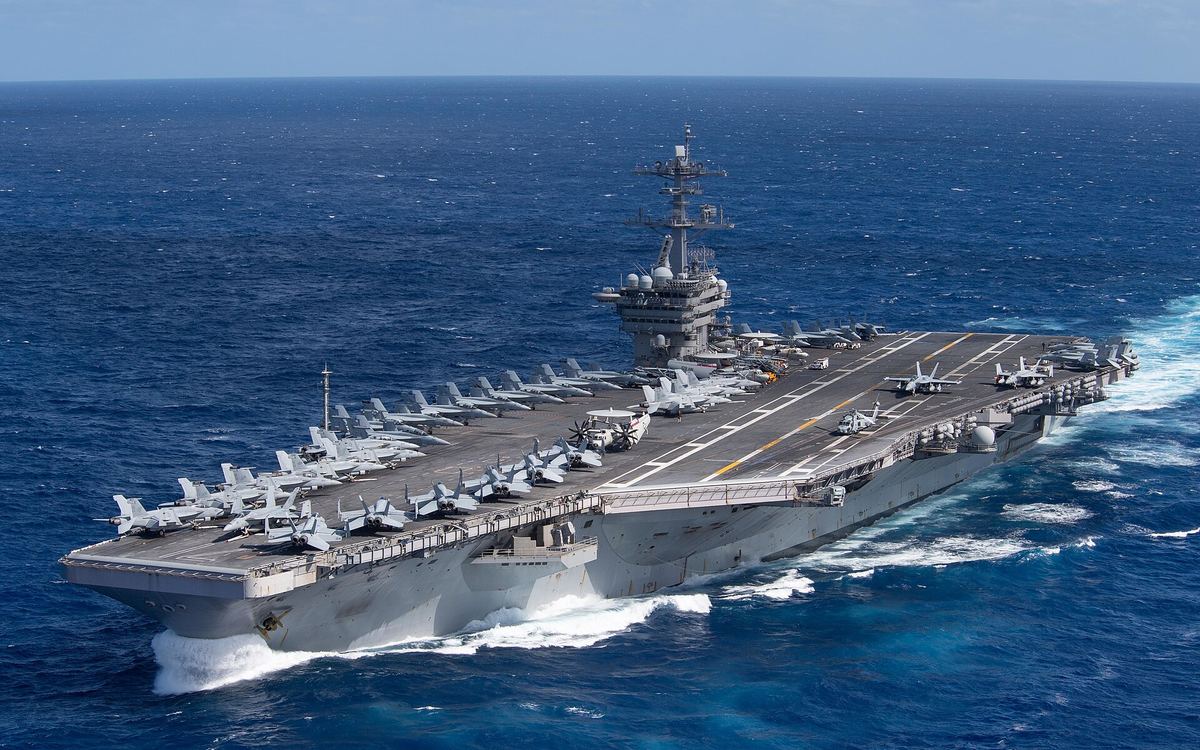
Vice-President JD Vance told Fox News on Sunday that Trump was considering either declaring US operations complete or adding pressure, and would not let the conflict become a “forever war”, Stars and Stripes reported.
Stars and Stripes, citing The New York Times, also reported that Trump is weighing a joint four- to seven-day air campaign with Israel against Iran’s missile and drone stocks and energy facilities. The White House did not respond to questions on that report.
What Tehran is saying
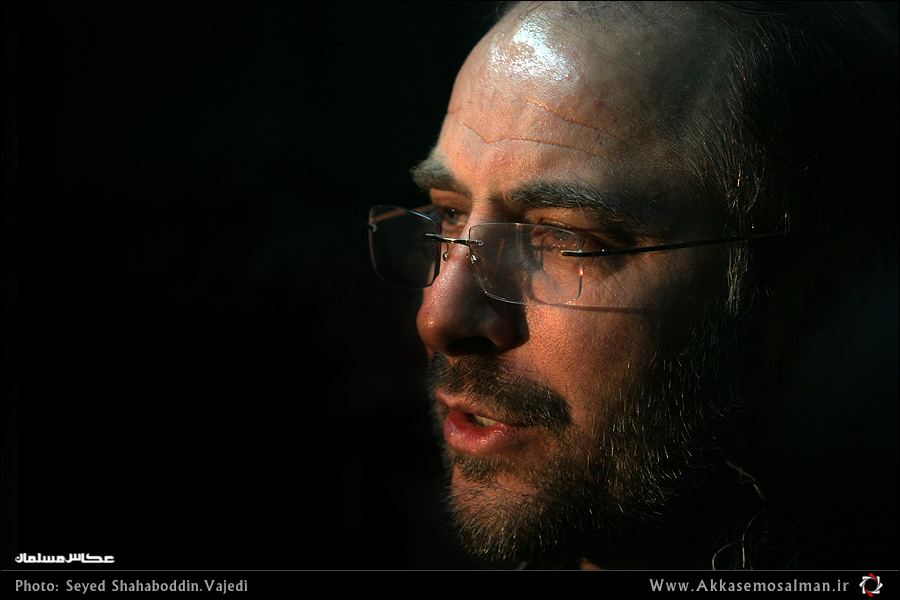
Parliament Speaker and chief negotiator Mohammad Bagher Ghalibaf told Al Jazeera that the ball was now in the American court. Iran has set out seven conditions, including lifting the naval blockade, sanctions relief, release of frozen funds and an end to hostilities on all fronts, including Lebanon, Al Jazeera reported.
Ghalibaf also said the Strait of Hormuz would never return to its pre-war, toll-free status. President Masoud Pezeshkian said on 9 November that Supreme Leader Mojtaba Khamenei had ordered an end to the state of “neither war nor peace”.
The proposal on the table
Qatar’s prime minister took an Iranian proposal to the White House in early November. Israel Hayom, as cited by OilPrice.com, reported its terms as Iran reopening Hormuz and halting tanker attacks in return for the US lifting the blockade and releasing $8bn of Iranian funds frozen in Qatar. Neither government confirmed those terms, and Secretary of State Marco Rubio called Iran’s demands outrageous.
On the ground and at sea
Fighting has not stopped. US forces struck an Iranian missile site on Qeshm Island on 17 November, which a US official described as self-defence, after Iranian drone attacks on Bahrain; Iran also said it targeted US assets in Kuwait, CBS News reported. Iran has attacked at least 18 vessels in or near Hormuz this month, according to UKMTO figures cited by Stars and Stripes.
Analysts are divided on where this leads. “The war has changed form, from an air campaign to a siege,” Muhanad Seloom of the Middle East Council on Global Affairs told Al Jazeera. Defence consultant Tallha Abdulrazaq said the conflict would drag on and that Trump was stuck between a rock and a hard place.
Background
The war began on 28 February with US and Israeli strikes that killed top Iranian officials, including Supreme Leader Ali Khamenei. A ceasefire in April was followed by a memorandum of understanding in June, which collapsed in July. The US reimposed its naval blockade of Iranian ports on 14 July.
Inside Iran, the statistics agency reported a 10.1 per cent economic contraction for March to June, and the central bank put September inflation at 83.8 per cent, Al Jazeera reported.
What happens next
The AP said a negotiated deal appears to be a long way off. TIMILEGIT will follow any move by Trump on new strikes or a settlement, and Iran’s response.