Netanyahu says Iran’s threats “are real”, as Eisenkot says he sees no immediate threat that needs a strike
Israel’s two rival candidates for prime minister clashed on Monday over whether to attack Iran again before a new government is formed. Israeli media reported divisions among security chiefs too.

Israel’s caretaker Prime Minister Benjamin Netanyahu said on Monday, 23 November, that “the Iranian threats are real”, hours after Gadi Eisenkot, the man asked to form Israel’s next government, said he saw no direct and immediate Iranian threat requiring action before a government is formed, Fox News and The National reported.
What Eisenkot said
Eisenkot, a former army chief who leads the Yashar party, told his faction that the gravest threat was Iran’s stockpile of 440kg of uranium enriched to 60%, which he said has not been destroyed or removed and should at least be under strict monitoring, Fox News reported.
He said: “Today I see no direct and immediate threat to Israel.”

What Netanyahu said
Speaking to his Likud faction, Netanyahu accused his rivals of playing down the Iranian threat for political reasons and renewed his call for a national unity government, according to Fox News and The National.
Divisions reported
Israel’s Ynet, citing unnamed sources, reported that army chief Eyal Zamir sees no immediate threat requiring a strike but does not rule one out, while Mossad chief Roman Gofman favours earlier action. Ynet also said some US officials suspect Netanyahu’s urgency is partly tied to coalition politics. These accounts have not been confirmed on the record.
Avigdor Liberman, who chairs the Knesset’s Foreign Affairs and Defence Committee, said in a closed meeting that Israel should not act alone without the US, Ynet reported.
In Washington, Trump has said he is inclined to resume strikes after the new year if talks fail, Fox News reported, while a US official told the network that economic pressure means major military operations are not currently necessary.
In Tehran, parliament speaker Mohammad Bagher Ghalibaf said on 22 November that Iran cannot remain in a state of “neither war nor peace”, Gulf News reported.
Background
Israel’s 27 October election gave no bloc a majority in the 120-seat Knesset. Eisenkot’s four-party alliance won 48 seats and Netanyahu’s camp 53, including the ultra-Orthodox parties, Fox News reported. Eisenkot, who was asked by President Isaac Herzog on 8 November to form a government, has the backing of 67 members, including 19 from Arab-led parties.
He has up to 42 days to form a government, with about 27 remaining, The National said. TIMILEGIT reported on Sunday’s four-hour unity talks between Likud and Yashar, which ended without a deal.
What happens next
Coalition talks continue. TIMILEGIT will report on any decision on Iran.
Comments
No comments yet. Be the first to share your thoughts.

Related

Russia warns Estonia its “hostile actions” are on the verge of triggering open war, as Tallinn prepares to close the border
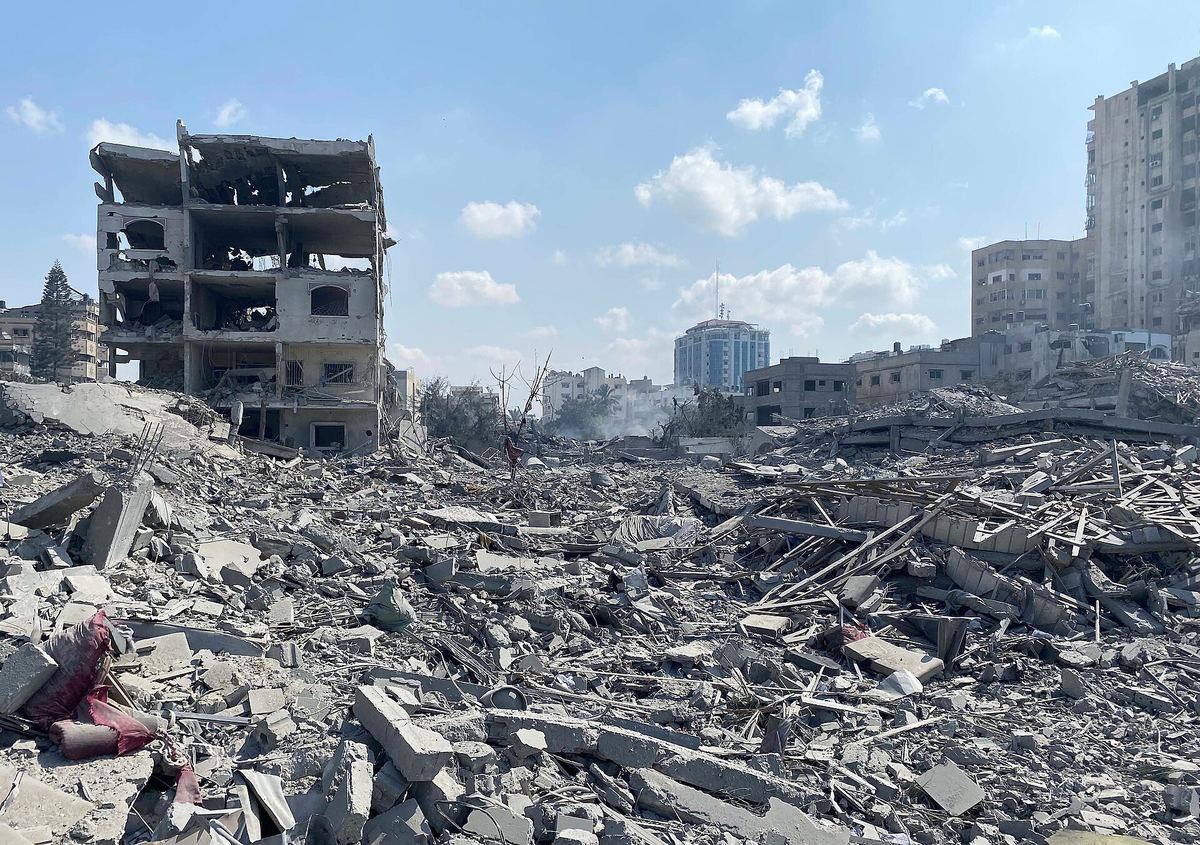
Israeli strike kills Hamas internal security chief Naeem Abu Nahel in Gaza City, as at least seven die across the Strip