OPEC+ meets on Sunday 29 November to set 2027 oil quotas as war, a late capacity audit and Iraq’s demands complicate talks
Ministers meet online with the group’s production framework expiring on 31 December. Delegates expect current targets to be rolled over, but members are fighting over the new capacity figures that will decide future quotas. Brent is trading around $96.
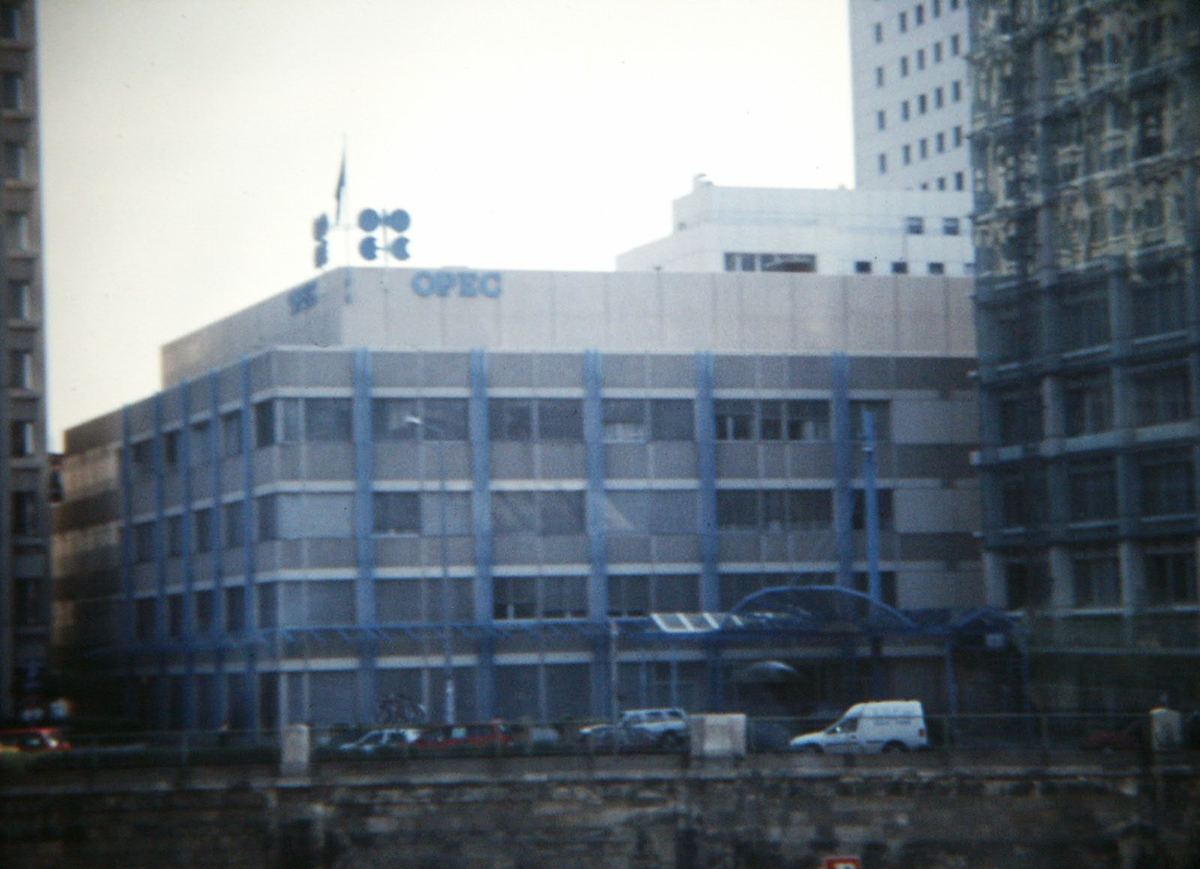
Oil ministers from the OPEC+ group of producers meet online on Sunday 29 November to agree production levels for 2027, in what Rystad Energy’s Jorge Leon called one of the most complicated meetings the group has held in years, Hurriyet Daily News reported, citing Bloomberg.
The group-wide production framework expires on 31 December 2026, World Today Journal reported. Three sources told Reuters the group had agreed in principle to keep first-quarter output targets unchanged and put off the fight over capacity, it said. Bloomberg, quoted by Hurriyet, said two delegates expected current quotas to be renewed for January.
The capacity fight
The hardest question is each country’s maximum sustainable capacity, which is to become the basis for future quotas. The assessment was carried out by the US consultancy DeGolyer and MacNaughton, Hurriyet and The Private Banker reported. The Private Banker said the audit, planned for January to September 2026, slipped to mid-November.
Iraq says its capacity is 5.2 million barrels a day, above the audit’s figure of under 5 million, according to Hurriyet and World Today Journal. Iraq’s current quota is 4.431 million barrels a day, World Today Journal said, and its oil minister has called for the group’s production ceiling to be raised.
Kazakhstan has formally disputed its rating and is seeking a higher baseline, World Today Journal and MUFG reported. Leon said Russia pumped 8.4 million barrels a day in October against a quota of almost 10 million, so its quota could be cut, according to Hurriyet.
The United Arab Emirates left OPEC and OPEC+ earlier this year, the reports said. Seven core members, Saudi Arabia, Russia, Iraq, Kuwait, Kazakhstan, Algeria and Oman, kept December targets unchanged at a virtual meeting on 1 November, The Private Banker reported.
War and prices
The war that began in February has disrupted shipping through the Strait of Hormuz, and members that rely on the strait were 1.8 million barrels a day below target in October, MUFG Research said. The Private Banker noted that a frozen quota does not hold back barrels that cannot be shipped anyway.
Brent crude was at $96.30 a barrel at 13:00 GMT on Friday 27 November, about 4% higher on the week, World Today Journal reported. It had settled at $96.57 on Thursday after Houthi attacks on Saudi Arabia, as TIMILEGIT reported.
What analysts expect
Rapidan Energy expects production targets to stay unchanged at the meeting, World Today Journal reported. Rystad’s Leon said that even with a partial recovery in Gulf supply, the market could face a surplus of about 5 million barrels a day in 2027.
MUFG’s Edward Bell forecast Brent averaging $88.75 in 2027, down from $93 in 2026, and said about 3.6 million barrels a day of capacity, mostly Saudi, could return if baselines are kept.
Background
OPEC+ brings together OPEC members, including Nigeria, and allied producers led by Russia. Its quota decisions have become harder to manage this year as the Iran war, Houthi strikes on Saudi oil sites and the UAE’s exit have changed who can produce and ship oil.
What happens next
The outcome is expected on Sunday after the ministers’ sessions. TIMILEGIT will report the decision and what it means for Nigeria’s oil earnings.
Comments
No comments yet. Be the first to share your thoughts.
Related

Uganda to pull its troops out of Lubero in DR Congo within two weeks, amid a row over army chief Muhoozi’s posts

Trump tells troops US has “victory at hand” in Iran war, as an Iranian MP claims full control of the Strait of Hormuz