EB-1A “extraordinary ability” green card: approval rate falls to about 32% under Trump, USCIS data show
Fewer than one in three EB-1A petitions decided in April to June 2026 were approved, down from about three in four in late 2024, according to USCIS figures reported by Newsmax, citing The Washington Post, and immigration law firms.
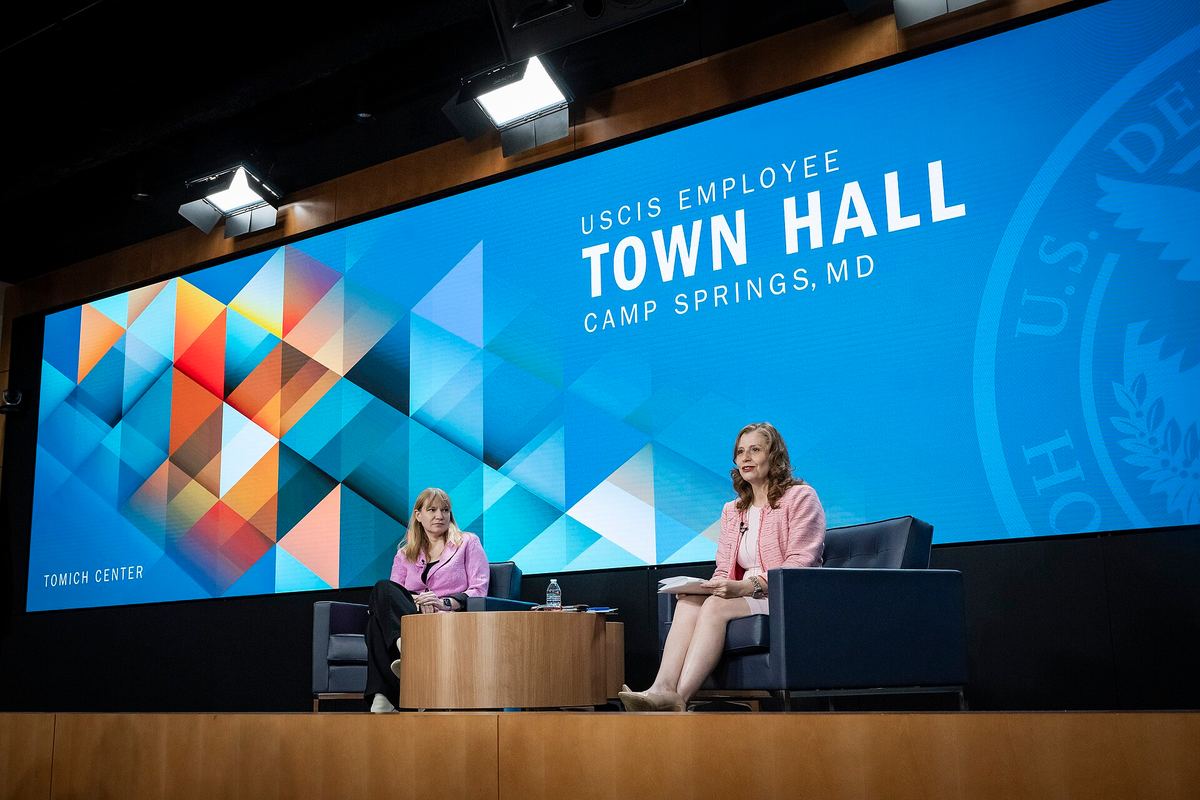
The share of US “extraordinary ability” green-card petitions (EB-1A) that are approved has fallen to about 32 per cent, from about 75 per cent in the last months of the Biden administration, according to federal data reported on Friday 27 November by Newsmax, which cited The Washington Post.
The EB-1A lets people with sustained national or international acclaim in science, business, the arts, education or sport apply for permanent residence without an employer or a job offer. It is often used by scientists, entrepreneurs and athletes.
The numbers
US Citizenship and Immigration Services (USCIS) figures for the 2026 financial year show EB-1A approval rates of 47.5 per cent in October to December 2025, 41.8 per cent in January to March and 32.2 per cent in April to June 2026, according to analyses by Manifest Law and F1Jobs of the agency’s quarterly I-140 data.

F1Jobs counted 1,348 approvals and 2,832 denials in the April–June quarter. Across the first three quarters of the year, about 5,200 EB-1A petitions were approved, against nearly 8,900 in the same period of 2024, Newsmax reported, citing the Post.
The immigration data firm Lawfully projects a rate of about 27 per cent for the final quarter of the 2026 financial year, Newsmax said. USCIS had not yet published those figures.
Other routes have not fallen as far. Manifest Law’s figures show the O-1A temporary work visa for people of extraordinary ability approved about 91 per cent of the time this year, while the EB-2 National Interest Waiver rate rose from 42.5 per cent to 55.3 per cent over the three quarters.
Why it is happening
The Post found no evidence that President Donald Trump directed officers to restrict EB-1A approvals, Newsmax reported. Attorneys said athletes, tech entrepreneurs and scientists are being turned down, and some law firms have stopped filing EB-1A cases.
Finn Reynolds of Lawfully said tighter scrutiny explains roughly half of the fall. He linked the rest to businesses that charge applicants from countries with long green-card queues, including China and India, to file weak petitions built from templates or AI tools.
George Fishman of the Center for Immigration Studies, which favours lower immigration, said officers may previously have been too lax. The Department of Homeland Security told Newsmax that USCIS will never trade quality and screening for speed, and said vetting under Biden was almost non-existent.
Background
To qualify, applicants must meet at least three of ten criteria, such as major awards, published work or high pay, or show a single major achievement, before an officer makes a final judgement on the evidence as a whole. The American Immigration Council warned in August of serious effects on workforce planning, Newsmax reported.
TIMILEGIT has reported a string of tighter US immigration measures this year, including the Supreme Court case on terminated asylum claims and green cards.
What happens next
USCIS is expected to publish its figures for July to September 2026 in the coming weeks. TIMILEGIT will report the new numbers and any change in USCIS guidance.
Comments
No comments yet. Be the first to share your thoughts.

Related
Jensen Huang’s return to Nvidia: Republican senators raise China security fears after Trump helped bring him back
Canada’s Supreme Court upholds Quebec’s Bill 21 ban on religious symbols for teachers, police and judges