Qatar warns the region cannot withstand another US–Iran escalation after Washington talks with Rubio
Sheikh Mohammed bin Abdulrahman Al Thani said Qatar is working with both sides to revive negotiations. The US–Qatar Strategic Dialogue reaffirmed freedom of navigation in the Strait of Hormuz.
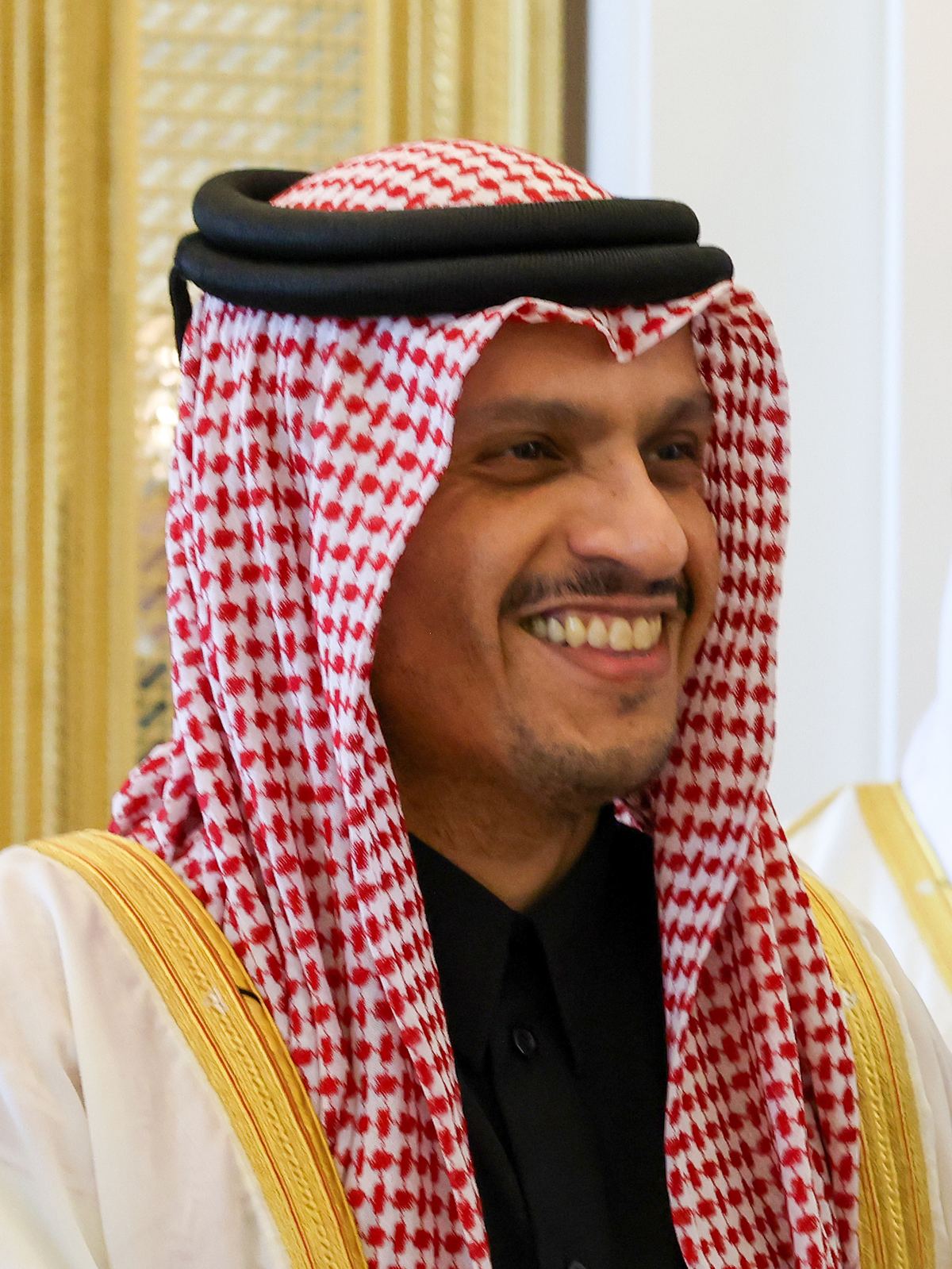
Qatar’s Prime Minister and Foreign Minister, Sheikh Mohammed bin Abdulrahman Al Thani, has warned that the Middle East cannot withstand another escalation between the United States and Iran, after meeting US Secretary of State Marco Rubio in Washington on Monday, 23 November, Al Jazeera reported.
Speaking to Al Jazeera, he said Qatar was working with Iran and the US to revive the negotiating process.
The talks
The meeting was the eighth US–Qatar Strategic Dialogue, a forum that began in 2018, and the Iran war “loomed over the meetings”, Al-Monitor reported. It said it was the Qatari prime minister’s second visit to Washington in less than a month.
In a joint statement reported by ANI, the two sides reaffirmed their commitment to freedom of navigation through the Strait of Hormuz. They signed a critical minerals framework and reviewed a $38bn defence statement of intent covering air and missile defence, counter-drone capability, joint exercises and intelligence sharing.
They also discussed Gaza, Syria, Lebanon, Afghanistan, Somalia and Haiti, the statement said. Rubio described the two countries as working together to advance shared economic and security priorities.
The two sides’ positions
Iran’s Foreign Ministry spokesman, Esmaeil Baghaei, said on 23 November that Iran would use all available means to counter what he called US aggression, describing the naval blockade as an act of aggression under Article 51 of the UN Charter, Al Jazeera reported. He said the strait could reopen within two days if the US lifted the blockade and sanctions.
President Donald Trump has said he wants a “permanent” deal with Iran and has called Tehran’s terms unacceptable.
Background
Qatar is the main intermediary in indirect talks aimed at restoring a ceasefire and restarting nuclear negotiations, including over Iran’s stock of highly enriched uranium, Al-Monitor reported. A Qatari delegation spent two hours in Tehran on 21 November, and US envoys Steve Witkoff and Jared Kushner met Qatari officials in Berlin on 19 November.
Iran resumed drone and missile attacks on Bahrain, which hosts the US Navy’s Fifth Fleet, this month, according to Al-Monitor. TIMILEGIT reported earlier that Iran had summoned Qatar’s envoy over a joint statement with Germany.
What happens next
No date has been set for new US–Iran talks. TIMILEGIT will report any announcement.
Comments
No comments yet. Be the first to share your thoughts.
Related

Russia warns Estonia its “hostile actions” are on the verge of triggering open war, as Tallinn prepares to close the border
Israeli strike kills Hamas internal security chief Naeem Abu Nahel in Gaza City, as at least seven die across the Strip