US investigates suspected Iranian cyberattacks on up to 50 tankers, as oil sits near a three-month low
The Wall Street Journal reported that some ships received bomb threats, with Iran the main suspect and Russia also in view. Brent crude traded just under $89 on Tuesday as rising supply outweighed the risks around Hormuz.
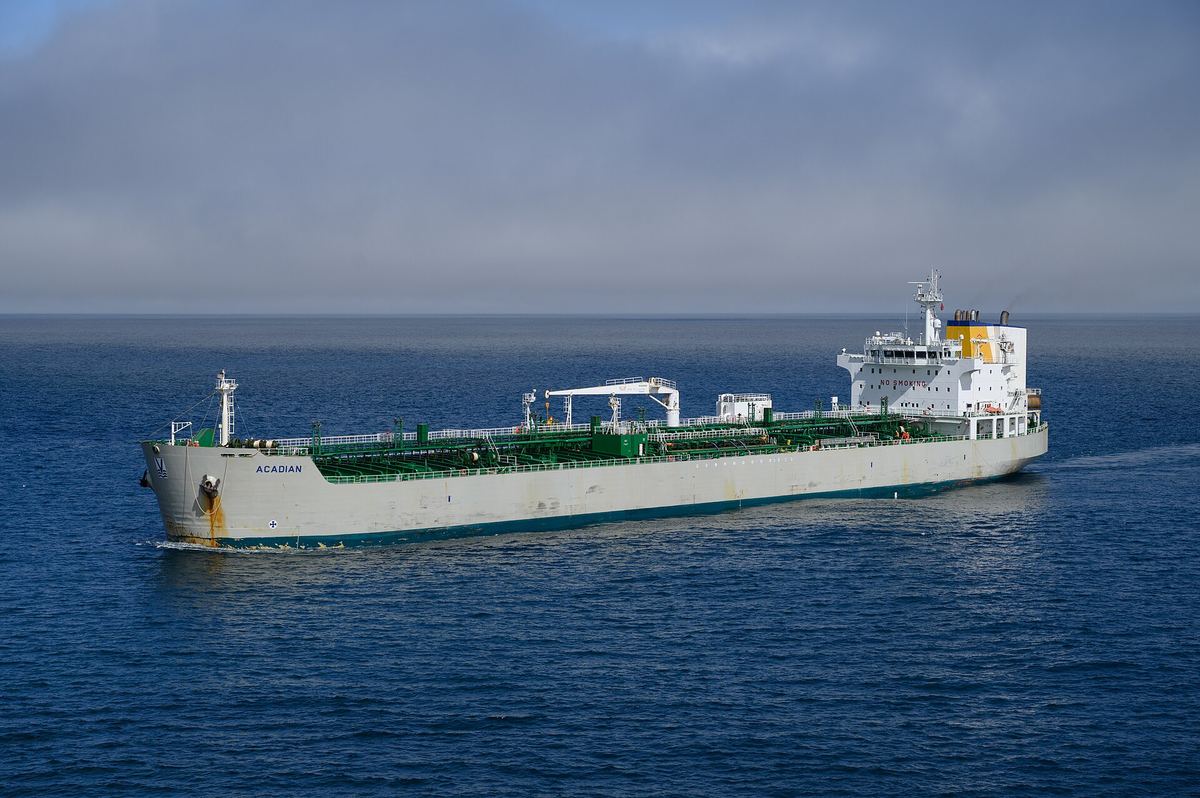
The United States is investigating whether Iran was behind cyberattacks on as many as 50 energy tankers, The Wall Street Journal reported on Monday, 23 November, citing US officials and others familiar with the matter, in a report carried by Reuters and gCaptain.
The ships targeted carry oil, liquefied petroleum, chemicals and other hazardous or explosive cargo, according to the report. Some received warnings and bomb threats saying they could be blown up.
Who is suspected
Iran is seen as the main suspect, but US authorities also regard Russia as a possible culprit, the Journal reported. According to Reuters’ summary, officials are concerned that Tehran is widening the war through cyber operations and plots against Americans far from the Middle East.

Reuters said it could not immediately verify the report. The reports did not give the locations or dates of the attacks, and there was no response from Iran.
Oil prices
Brent crude was down 40 cents at $88.97 a barrel at 01:47 GMT on Tuesday, after posting its lowest close since 31 August on Monday, Reuters reported. US West Texas Intermediate fell 23 cents to $79.94, after touching its lowest level since 26 August.
Reuters said prices were being pushed down by rising supply and signs of a surplus. Deutsche Bank estimated that observed global inventories rose by 52 million barrels in October, implying an oversupply of about 1.7 million barrels a day, and Libya’s Sharara pipeline has reopened.
Shipping risks around the Strait of Hormuz have limited the fall. Iran’s Revolutionary Guards said on Monday that three tankers caught fire after hitting naval mines in the strait, a claim that has not been independently confirmed. Daniel Hynes of ANZ said the market “remains under severe strain”, with tight logistics and thin inventory buffers.
Background
The United States and Iran have been at war since 28 February 2026. Washington reimposed its blockade of Iranian ports on 14 July after an understanding reached in June collapsed, and Iran’s visible crude exports have fallen close to zero, Reuters and Al Jazeera have reported.
A study reported by TIMILEGIT this week found Nigeria was Africa’s biggest net gainer from the war’s price spike between March and August, when prices were higher than now.
What happens next
US officials have not publicly confirmed the cyberattack investigation. TIMILEGIT will update this story.
Comments
No comments yet. Be the first to share your thoughts.

Related

Russia warns Estonia its “hostile actions” are on the verge of triggering open war, as Tallinn prepares to close the border
Israeli strike kills Hamas internal security chief Naeem Abu Nahel in Gaza City, as at least seven die across the Strip