US Supreme Court to hear case on Monday on whether people who lose asylum can still get a green card
The case, brought by an Egyptian and a Guatemalan whose asylum was ended after criminal convictions, could affect thousands of refugees, including Africans, living in the United States.
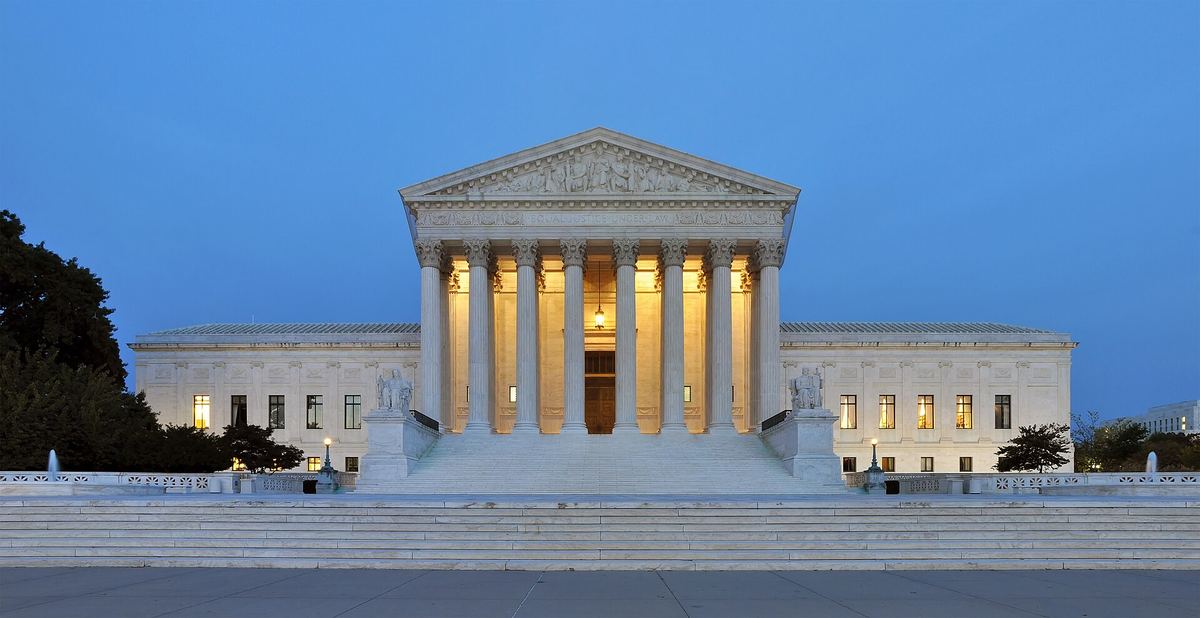
The US Supreme Court will hear arguments on Monday 30 November on whether people whose asylum has been terminated can still apply to become lawful permanent residents, SCOTUSblog and CiberCuba reported.
The case, Wassily v. Blanche (No. 25-842), turns on a section of US immigration law that allows the government to adjust the status of “any alien granted asylum”.
The two men
Tamer Wassily, an Egyptian, was granted asylum in 2000 over fear of religious persecution and was convicted in 2004 of third-degree stalking and child endangerment, SCOTUSblog reported. An immigration judge first granted him permanent residence, but the Board of Immigration Appeals overturned that decision, CiberCuba said.

Byron Velasquez Arreaga, a Guatemalan, was granted asylum in 1996 and lost it after drink-driving convictions in 2015 and 2018.
The arguments
The men argue that “granted asylum” describes something that happened in the past, so it still applies to them, and ask the court to apply the rule of lenity, which favours the individual when a law is unclear.
The government, represented by Solicitor General D. John Sauer, argues that once asylum ends there is nothing left to convert into permanent residence, and calls the lenity argument a last resort.
The courts are split
The Second Circuit Court of Appeals ruled 2–1 against the men, saying former asylees are categorically barred. The Fourth Circuit agrees, but the Fifth Circuit has held that former asylees remain eligible. The Supreme Court agreed to take the case on 29 June.
CiberCuba noted that, under federal rules, ending a main applicant’s asylum also ends the derivative asylum of a spouse and children, and that lawyers warned this could hurt victims of domestic violence. It also said applying for a green card does not by itself stop the government from moving to revoke asylum.
Background
The court has also agreed to review President Trump’s suspension of asylum at the southern border, and a case on deportations to third countries is among its December arguments, SCOTUSblog reported.
What happens next
A decision is expected by early July 2027 at the latest. TIMILEGIT will report on Monday’s hearing.
Comments
No comments yet. Be the first to share your thoughts.

Related

NFL Thanksgiving: Tyler Bass kicks a 57-yard field goal at the buzzer as the Bills beat the Chiefs 13-10 in the Buffalo rain

NFL Thanksgiving: Joe Milton leads Eagles back from 21 points down to beat Cowboys 39-38 with Jake Elliott’s 59-yard field goal