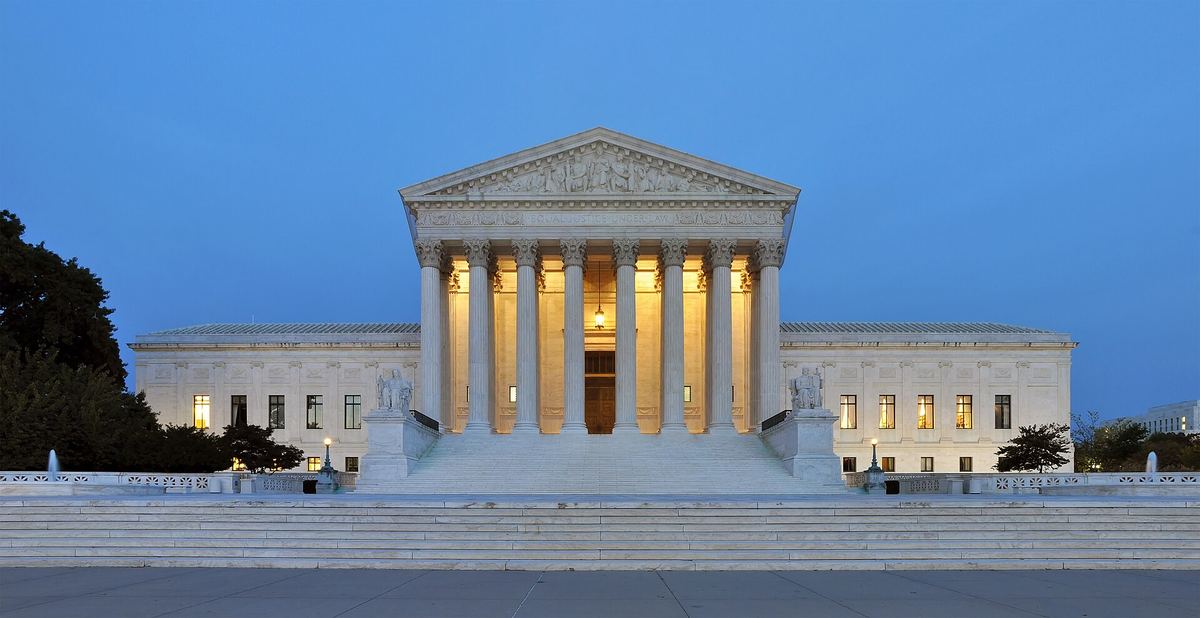
US formally proposes new tariffs on 14 economies including China, the EU and India, but spares Mexico and Norway
China faces a proposed 20% “excess capacity” duty on top of first-term tariffs. The plan follows an eight-month Section 301 probe and could take effect in January at the earliest.
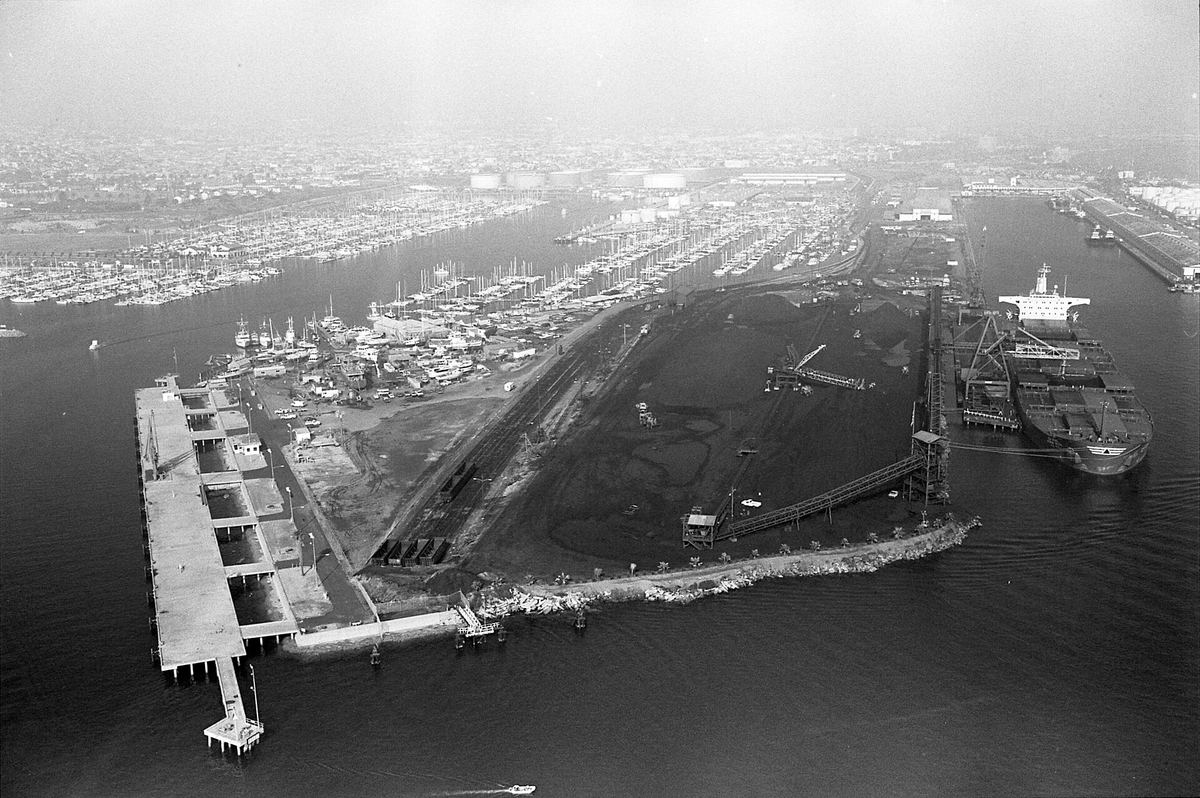
The office of the US Trade Representative (USTR) on Wednesday 25 November proposed new tariffs on 14 trading partners, including China, the European Union and India, which Washington accuses of flooding world markets with cheap, subsidised goods.
The proposal follows an eight-month investigation under Section 301 of the 1974 Trade Act into what the US calls “structural excess capacity” in 16 economies, Reuters, RTÉ (citing AFP and Reuters) and Al Jazeera reported. Mexico and Norway, which were also investigated, have been left out for now.
Who is targeted
The 14 are China, Bangladesh, Cambodia, the EU, India, Indonesia, Japan, South Korea, Malaysia, Singapore, Switzerland, Taiwan, Thailand and Vietnam, a senior US official said.
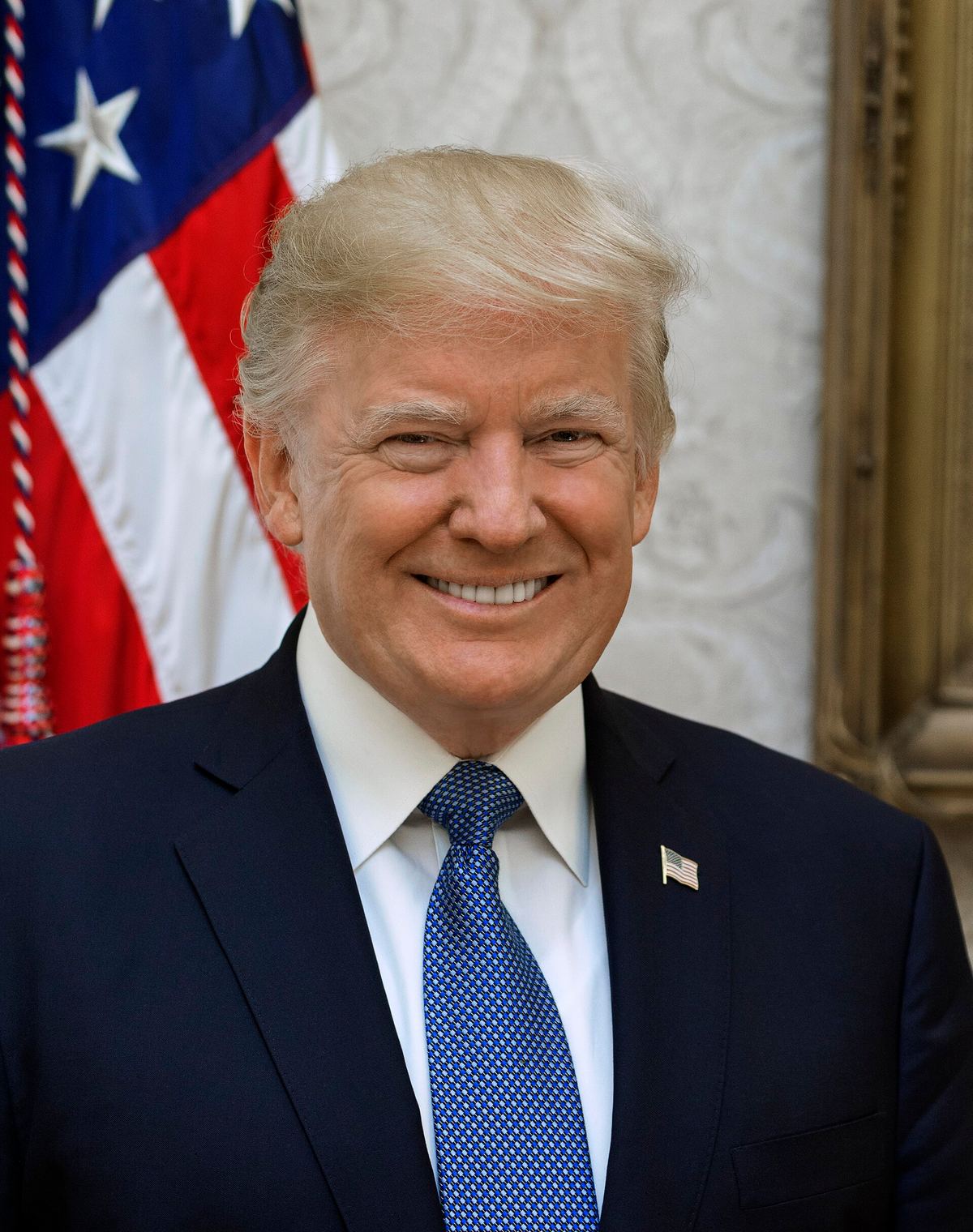
China faces the highest rate: a proposed 20% tariff on top of the roughly 25% duties set during Donald Trump’s first term, the official said. Vietnam’s proposed rate is also 20%. Rates for most other countries were not given before publication in the Federal Register.
The official said the new duties would not be added on top of sector tariffs such as those on cars and steel, or on top of the forced-labour tariffs of 10% or 12.5% imposed on 60 economies in July; the higher rate would apply.
Caps agreed in earlier trade deals would be honoured, RTÉ reported: 15% for the EU, Japan, South Korea and Taiwan, 19% for Malaysia, and 20% for China under a truce that expires on 10 January. India has no signed deal.
What comes next in the process
The rates are to be published in a Federal Register notice, followed by public comments and a hearing, so the duties are likely to start in January at the earliest, RTÉ said. Officials briefed congressional committees on Tuesday night, Reuters reported.
The official said he did not expect China to retaliate, and described Trump’s meeting with President Xi Jinping last week as “really great”. A separate proposal targets Brazilian goods, including aircraft.
Reaction
Trade policy expert Dmitry Grozoubinski told Al Jazeera the subsidy case was more legally robust than the forced-labour one but predicted court challenges. A Reuters/Ipsos poll found 62% of respondents would support scrapping tariffs.
Background
The new tariffs replace duties the Supreme Court ruled in February could not be imposed under an emergency-powers law. TIMILEGIT reported on Tuesday that the plan was being prepared. Nigeria is not on the list of 14.
What happens next
Democrats take control of both chambers of Congress in January. TIMILEGIT will report the final rates once they are published.
Comments
No comments yet. Be the first to share your thoughts.

Related

NFL Thanksgiving: Tyler Bass kicks a 57-yard field goal at the buzzer as the Bills beat the Chiefs 13-10 in the Buffalo rain

NFL Thanksgiving: Joe Milton leads Eagles back from 21 points down to beat Cowboys 39-38 with Jake Elliott’s 59-yard field goal