Canada’s Supreme Court upholds Quebec’s Bill 21 ban on religious symbols for teachers, police and judges
In a split ruling on Friday, Canada’s top court left Quebec’s secularism law in force and said courts cannot review a province’s use of the notwithstanding clause, striking down only a narrow part that applied to members of the provincial parliament.
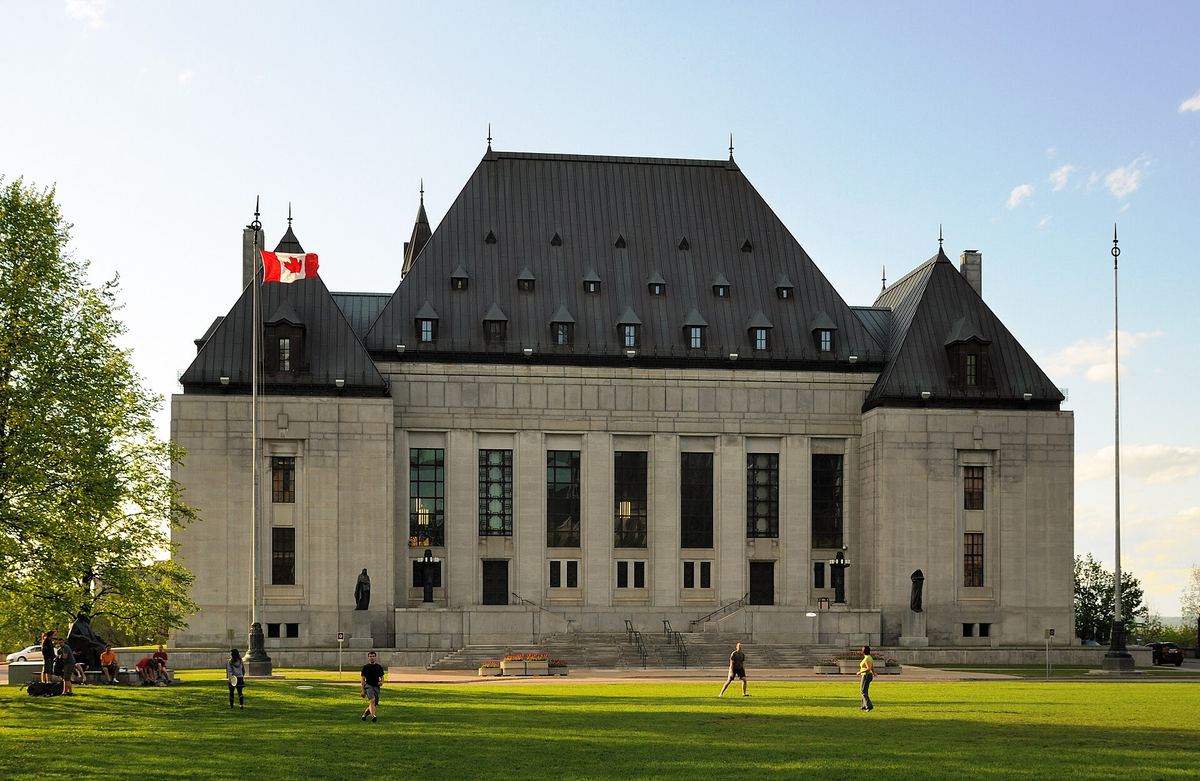
The Supreme Court of Canada on Friday 27 November upheld almost all of Quebec’s Bill 21, the 2019 secularism law that bars many public-sector workers from wearing religious symbols such as the hijab, turban, kippah or a visible cross at work, Al Jazeera, Canadian Lawyer and Canadian HR Reporter reported.
The case, English Montreal School Board v. Quebec (Attorney General), was heard by seven judges over four days in March. They gave four separate sets of reasons, according to Canadian Lawyer and Canadian HR Reporter.
What the court decided
The court said the law is valid and remains in force. Chief Justice Richard Wagner wrote the lead reasons, joined by Justices Suzanne Côté and Malcolm Rowe, the legal outlets reported.
Quebec shielded the law with section 33 of Canada’s Charter of Rights, known as the notwithstanding clause, which lets a legislature pass a law that overrides some Charter rights for five years at a time. Wagner held that the clause carries only formal requirements and that courts have no role in reviewing the rights it overrides, Canadian Lawyer reported.
Four judges said courts can still declare that a shielded law breaches Charter rights, even though it stays in force, but no such declaration was made in this case, according to Canadian HR Reporter.
Arguments that the law breached gender equality and the rights of English-speaking school boards were rejected, by 4-3 and 4-2 votes respectively, the HR Reporter said.
All seven judges agreed on one narrow point: a section requiring faces to be uncovered when giving or receiving public services cannot apply to members of Quebec’s National Assembly, because it breaches their democratic rights.
Who is affected
The ban covers teachers, school principals, police officers, judges, prosecutors and state lawyers. Al Jazeera reported that Quebec has since widened it to support staff, volunteers and daycare workers, and that Muslim women who wear the hijab have been most affected; some have removed it to keep their jobs and some have left the province.
The Canadian Civil Liberties Association, which fought the law, has called it an egregious rights violation that falls hardest on Muslim women, N Globe reported.
Background
Bill 21 was passed in June 2019 under Premier François Legault’s government. Quebec’s Superior Court upheld most of it in 2021, and the Court of Appeal upheld it again in 2024, the year Quebec renewed the notwithstanding clause, Al Jazeera reported.
What happens next
The ruling is final. Quebec must renew the override every five years to keep it. Legal commentators expect the decision to guide other cases on the clause, including one over Saskatchewan’s school pronoun law. TIMILEGIT will report reactions from Quebec and Ottawa.
Comments
No comments yet. Be the first to share your thoughts.
Related

Black Friday 2026: Adobe expects record $12.9bn US online spending after $7.1bn Thanksgiving, as AI shopping booms

Jensen Huang’s return to Nvidia: Republican senators raise China security fears after Trump helped bring him back