Oil near $92 as Gulf war rattles markets: what it means for Nigeria
Brent has fallen sharply from its autumn highs even as Iran reports mine strikes in Hormuz. Prices remain far above the $60 benchmark in Nigeria’s 2026 budget.
Brent crude traded at about $92 a barrel on Thursday 19 November, holding steady as Iran reported more tankers hitting mines in the Strait of Hormuz, but well below the levels of October, FinanceFeeds reported, citing Reuters data.
The latest prices
Brent January futures were at $92.12 early on Thursday, up 17 cents, after settling at $91.95 on Wednesday, according to FinanceFeeds. US crude, WTI, was at $83.17 after its lowest close since 26 August.
On 9 November Brent fell 3.6 per cent to $94 after reports of a Qatari-brokered Iranian proposal, OilPrice.com reported, following a 16 per cent fall the previous week.

Why prices are falling despite the war
US crude stocks rose by 3.4 million barrels in the week to 13 November, far more than analysts expected, FinanceFeeds reported, citing the US Energy Information Administration.
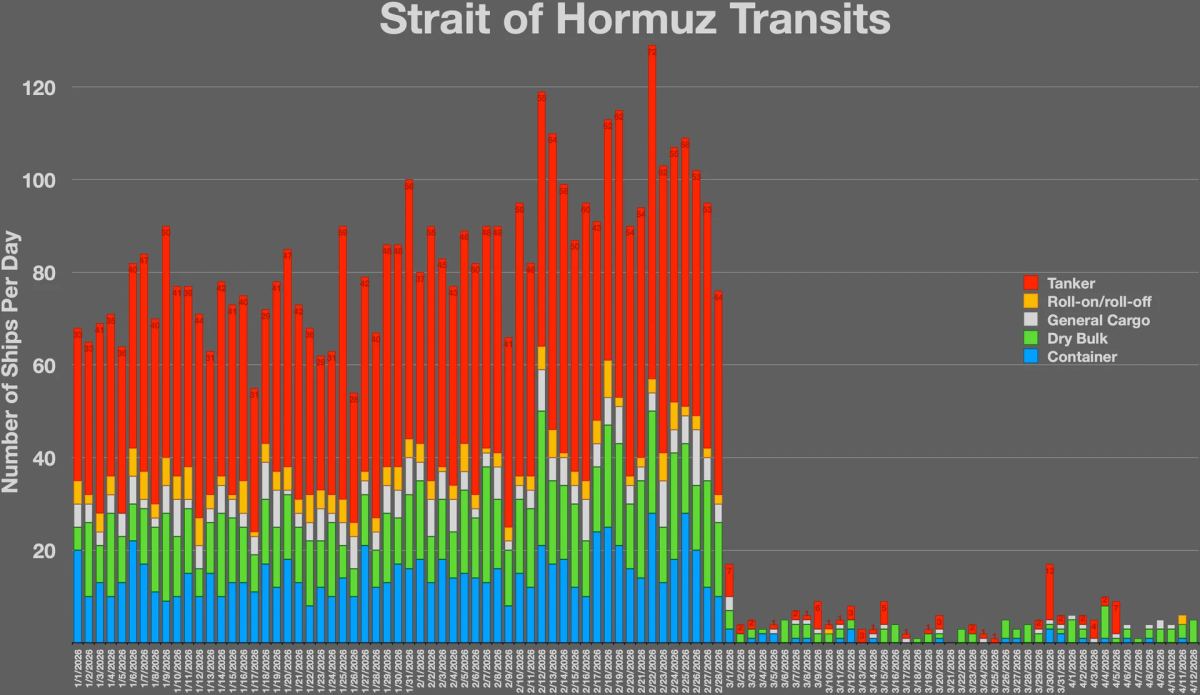
Analysts at ING pointed to higher OPEC+ output, steady Russian exports and growing US stocks, and Goldman Sachs expects Brent to average $88 in 2027, FinanceFeeds reported, citing CNBC. Reuters reported that shipments through Hormuz had returned to roughly pre-war levels, though other trackers cited by Marine Insight put traffic far lower.
Iran’s claims of mine strikes on Thursday have not been independently confirmed, and so far have not pushed prices sharply higher.
What it means for Nigeria
Nigeria’s 2026 budget assumes an oil price of $60 a barrel and output of 1.84 million barrels a day, Arise News reported when the Senate approved the figures in December 2025. Prices well above that benchmark mean higher potential earnings from each barrel sold.
Nigeria’s Bonny Light grade was selling at about $115 a barrel in early November, with crude and condensate output near 1.7 million barrels a day, Leadership reported. That output is a four-year high but still below the budget’s assumption.
Leadership also reported gross foreign reserves of about $55bn and a naira steady around ₦1,346 to the dollar on the official market at that time.
Higher world prices cut both ways for households: they lift government revenue, but also raise the cost of imported fuel, freight and goods.
What happens next
OPEC+ ministers meet on 29 November to set output for 2027, FinanceFeeds reported. Any escalation in Hormuz, or a deal that reopens it fully, could move prices sharply. TIMILEGIT will follow both.