Measles deaths fell to a record low of about 72,000 in 2025, WHO says, but 29 million children missed vaccine doses
The World Health Organization said on 27 November that measles deaths are down 91 per cent since 2000, yet nearly 10 million people were infected last year and 59 countries had big outbreaks.
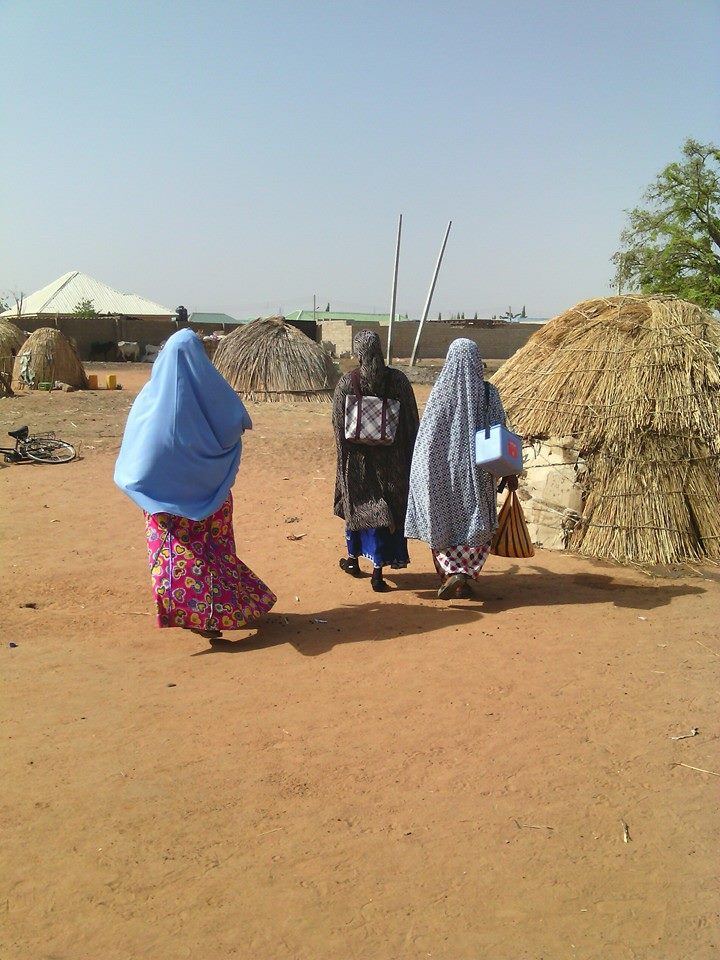
Measles deaths around the world fell to an estimated 72,000 in 2025, the lowest ever recorded, but millions of children are still missing their vaccines, the World Health Organization said on Friday 27 November.
The figures come from a new report with the US Centers for Disease Control and Prevention, published by WHO and reported by Reuters and Okay News.
The numbers
WHO said deaths have fallen by 91 per cent since 2000 and that measles vaccination has saved more than 60 million lives since then. Reuters said about 769,000 people died of measles in 2000.
Infections are a different story. WHO estimated nearly 10 million infections in 2025; Reuters gave 9.8 million, down from 37.8 million in 2000. Nearly half of all cases were in WHO’s South-East Asia region, and cases in the Americas have risen eight-fold since 2000.
Global coverage barely moved: 84 per cent of children received a first dose and 77 per cent a second. In low-income countries the figures were 69 and 57 per cent, against 93 and 91 per cent in high-income countries.
More than 29 million children were unvaccinated or under-vaccinated in 2025, WHO said. Reuters reported, from a press call, that 20.8 million infants missed a first dose and 8.3 million a second.
Fifty-nine countries had large or disruptive outbreaks, 11 of them in countries previously declared measles-free. WHO said 95 countries had achieved or kept elimination by the end of 2025.
What WHO said
Director-General Tedros Adhanom Ghebreyesus credited vaccines for the record low but said elimination must be defended with two doses for every child. He warned that some countries that had eliminated measles are now losing that status.
Kate O’Brien, WHO’s immunisation director, told reporters the setbacks were a failure to reach every child, not a failure of the vaccine, and urged countries to invest more in their programmes, Reuters reported.
Background
WHO said children in conflict and crisis settings are far less likely to be vaccinated and suffer a disproportionate share of outbreaks. Measles can cause blindness, pneumonia, brain swelling and lifelong complications. Reuters said immunisation and surveillance programmes face growing financial pressure.
What happens next
WHO and its partners in the Measles & Rubella Partnership are urging countries to close immunity gaps. TIMILEGIT will report any Nigeria-specific figures when they are published.
Comments
No comments yet. Be the first to share your thoughts.

Related

Cholera in Abuja: FCTA activates an emergency operations centre before Christmas and gives a hotline, 09084000085
Heatwave in Nigerian schools: pupils in nine states struggle in hot classrooms, Saturday PUNCH finds