Twenty-one US states and DC sue to stop a Trump rule that would cut housing aid to mixed-status immigrant families
The rule, due to take effect on 14 December, would end federal housing help for any household with a member who lacks eligible immigration status. HUD says it puts American citizens first.
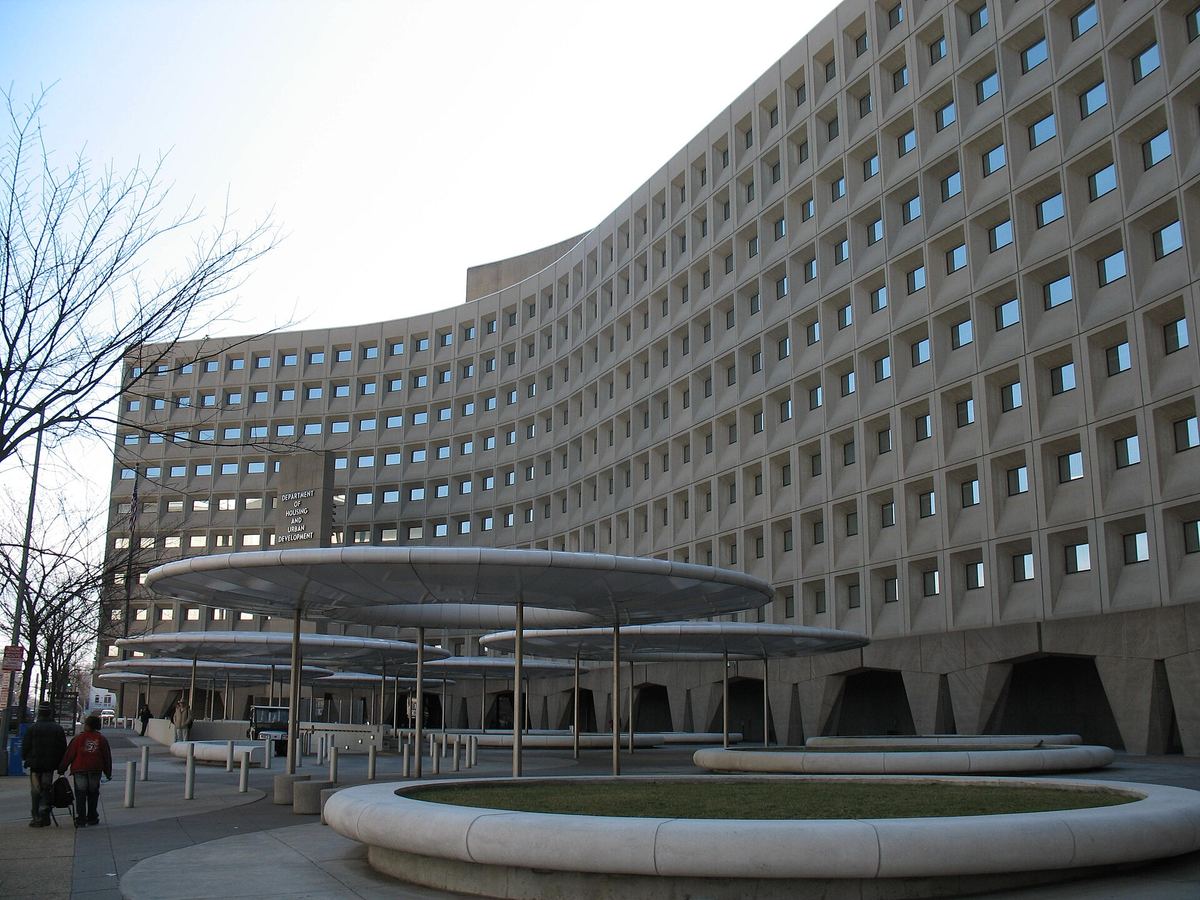
A coalition of 21 US states, the District of Columbia and the governor of Pennsylvania has sued the Department of Housing and Urban Development (HUD) to block a rule that would end federal housing assistance for families in which any member lacks eligible immigration status, Stateline and the Associated Press reported.
The case, listed as California v. HUD, was filed on Monday 23 November in the US District Court for the District of Massachusetts, according to Stateline’s report published by CT Mirror.
What the rule does
At present, so-called mixed-status families receive prorated help that covers only the members who are eligible, an arrangement Congress has allowed for more than 30 years, AP reported.

The new rule would deny assistance to the whole household if one member does not have eligible citizenship or immigration status. It also requires public housing authorities and private landlords to report tenants who fail verification to the Department of Homeland Security, AP said.
HUD Secretary Scott Turner first proposed the rule in January and HUD finalised it this month. If it is not blocked, it takes effect on 14 December, both outlets said.
Who could be affected
A HUD audit with Homeland Security found about 20,000 mixed-status households receiving federally funded housing help, according to AP and Stateline. Stateline said advocates and the states put the number of people affected at 78,000, of whom 55,000 are fully eligible for help.
HUD’s own figures, cited in the complaint, show that 65% of the eligible people in these households are children, and that mixed-status families make up less than 1% of households receiving federal housing aid, Stateline reported. HUD estimates nearly 1,000 households would face formal eviction.
California has the largest share, followed by Texas and New York, Stateline said. California Attorney General Rob Bonta estimated 7,000 households in his state would be affected.
What each side said
Bonta told a news conference the rule was cruel and unlawful and argued Congress never gave HUD power to remove these families or to turn landlords into immigration enforcers. “No child should lose their home over a parent’s immigration status,” he said, AP reported.
Arizona Attorney General Kris Mayes said Congress had long protected keeping families together even when not every member qualifies, and that the administration could not change that on its own, according to both outlets.
Turner said in a statement that the rule fully implements a 1980 housing law, ends what he called the exploitation of taxpayer money and ensures only citizens and certain eligible non-citizens live in HUD-funded housing. He said up to $218 million would be redirected to eligible Americans on waiting lists.
Background
The states are Arizona, California, Colorado, Connecticut, Delaware, Hawaii, Illinois, Maine, Maryland, Massachusetts, Michigan, Minnesota, New Jersey, New Mexico, New York, Oregon, Rhode Island, Virginia, Vermont, Washington and Wisconsin, Stateline reported. Some outlets have counted the group as 22 states.
Tenant and immigrant rights groups and a coalition of cities have filed separate challenges to the same rule, Stateline said. AP placed it among wider Trump administration moves to limit benefits for immigrants, including health and nutrition programmes.
What happens next
The states are asking the court to stop the rule before 14 December. TIMILEGIT will report the court’s decision.
Comments
No comments yet. Be the first to share your thoughts.

Related

Diaspora remittances: CBN says Nigeria now receives $1bn a month and sets a new $1.5bn monthly target for 2027

NBA Cup: Heat knock out holders Knicks 108-105 as Giannis grabs 23 rebounds, while Flagg’s 34 leads a Mavericks comeback